
Unable to find what you're searching for?
We're here to help you find itKoenig Zero Trust Security training provides hands-on labs and expert instruction. Master ZTNA, micro-segmentation, and identity verification to earn your CCZT certification.


500K+ certified professionals


























Explore Zero Trust Security certification and training courses — delivered live by certified instructors.
Zero Trust Security is a cybersecurity framework defined by the National Institute of Standards and Technology (NIST) in Special Publication 800-207 that eliminates implicit trust in network architectures by verifying every access request. It shifts security from perimeter-based models to a resource-centric approach, ensuring that no user or device is trusted by default, regardless of location. This architecture is foundational to modern security strategies, particularly in environments with hybrid workforces, cloud services, and distributed assets. The core components of Zero Trust Security include the Policy Engine (PE), which makes access decisions using enterprise policies and external data; the Policy Administrator (PA), which establishes or terminates communication paths based on the PE’s decisions; and the Policy Enforcement Point (PEP), which enforces access controls by enabling, monitoring, and closing connections between subjects and resources. These components work in concert across a control plane to ensure continuous validation and least-privilege access to enterprise resources. Zero Trust Security is designed for cybersecurity professionals, network architects, and IT administrators responsible for securing distributed environments, cloud infrastructures, and remote access. It benefits those who must enforce strict identity verification, minimize attack surfaces, and prevent lateral movement in the event of a breach, ensuring robust protection across hybrid and multi-cloud deployments.
Identity Fundamentals
Manage users, groups and roles in Microsoft Entra ID
Multi-Factor Authentication
Configure and enforce MFA for user sign-in verification
Conditional Access
Create policies based on user, device and risk signals
Device Compliance
Enroll and manage devices using Intune and Entra ID
Hybrid Identity
Implement Entra Connect for on-premises and cloud synchronization
Access Governance
Apply access reviews and privileged identity management with PIM
The building blocks every Zero Trust Security solution is made of
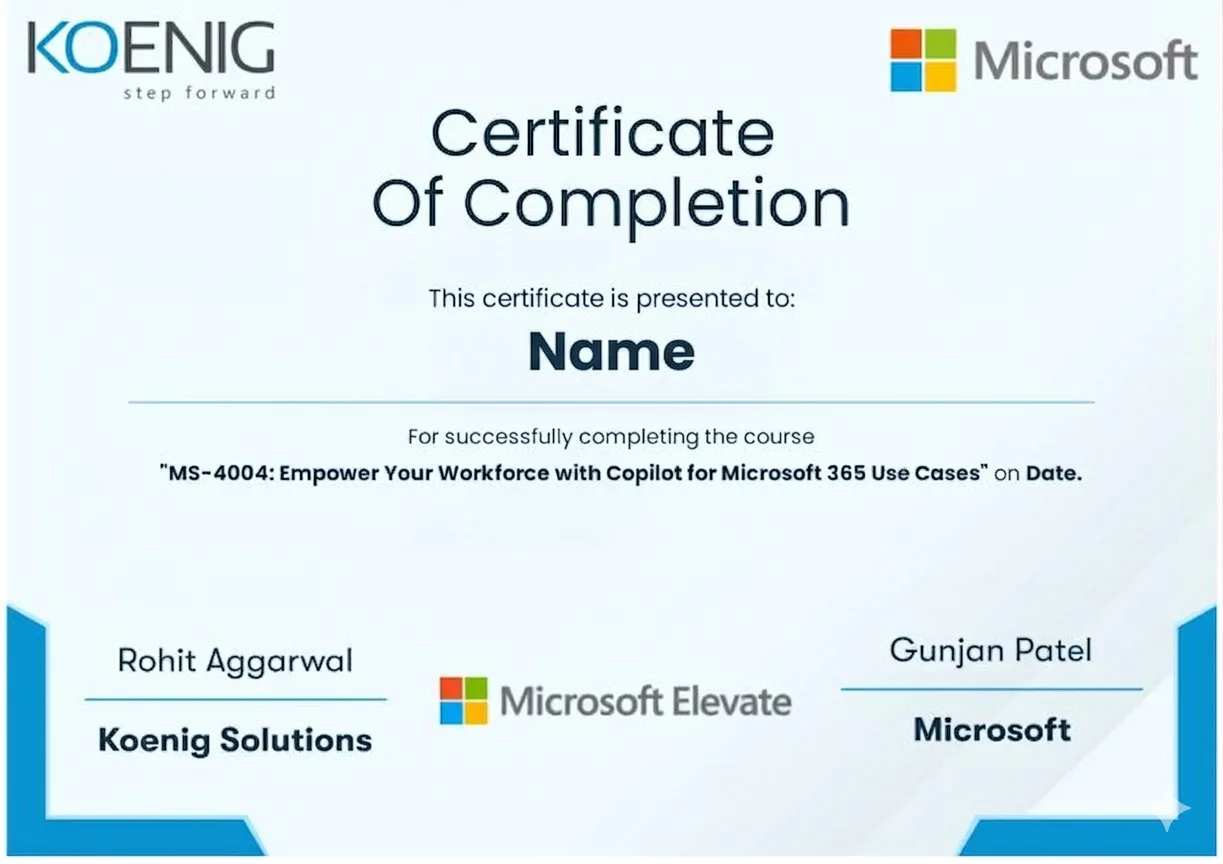
See what your official Zero Trust Security certification looks like. Download a sample — then let our advisors map the fastest path to earning the real one.
 CCZTCertificate of Cloud Security Knowledge (Cloud Security Alliance) - Zero Trust
Security+CompTIA Security+ (CompTIA) - Zero Trust Principles
NSE7_ZTA-7.2Fortinet NSE 7 - Zero Trust Access (Fortinet)
PCNSEPalo Alto Networks Certified Network Security Engineer (Palo Alto Networks) - Zero Trust Focus
CCSPCertified Cloud Security Professional (ISC2) - Zero Trust Architecture
GZRTGIAC Zero Trust Technologist (GIAC) - Zero Trust Security
Official credential badges — shareable on LinkedIn
CCZTCertificate of Cloud Security Knowledge (Cloud Security Alliance) - Zero Trust
Security+CompTIA Security+ (CompTIA) - Zero Trust Principles
NSE7_ZTA-7.2Fortinet NSE 7 - Zero Trust Access (Fortinet)
PCNSEPalo Alto Networks Certified Network Security Engineer (Palo Alto Networks) - Zero Trust Focus
CCSPCertified Cloud Security Professional (ISC2) - Zero Trust Architecture
GZRTGIAC Zero Trust Technologist (GIAC) - Zero Trust Security
Official credential badges — shareable on LinkedIn
Four formats. One quality standard. Every option comes with the same expert instructors, official courseware, and money-back guarantee.
Every factor that determines whether you actually pass your Zero Trust Security exam — rated across every training format available.
| Criteria | Koenig | ALP Provider | Legacy Provider | Self-Paced Platform | Free Platform |
|---|---|---|---|---|---|
| Trainer Expertise & Credentials | |||||
| MCT-Certified Trainers | Partial | Partial | |||
| Live Instructor-Led Classes | |||||
| 1-on-1 Private Training | |||||
| Microsoft Authorization Standards | |||||
| Official Microsoft ALP Status | Partial | ||||
| Official MOC Courseware | Partial | ||||
| ESI / EA Credits Accepted | Partial | ||||
| Flexibility & Global Access | |||||
| Flexi / Any-Day Start | |||||
| On-Site / Fly-Me-A-Trainer | |||||
| Global Delivery (50+ countries) | Partial | Partial | |||
| Verified Results & Trust | |||||
| Microsoft Exam Pass Rate | 95% · industry leading | ~70-75% | Not published | Not tracked | Variable |
| Entry Price (Fundamentals) | ~$650 · best value | ~$1,500+ | ~$1,400+ | $15-30/mo | Free |
| Verified Student Reviews | 18,400+ · 4.9★ | Limited | Limited | High volume | N/A |
Data sourced from public pricing pages and review platforms. Accurate as of March 2026. Partial = available in select regions only.
Verified reviews from learners certified on Azure, AI, Security, and more.
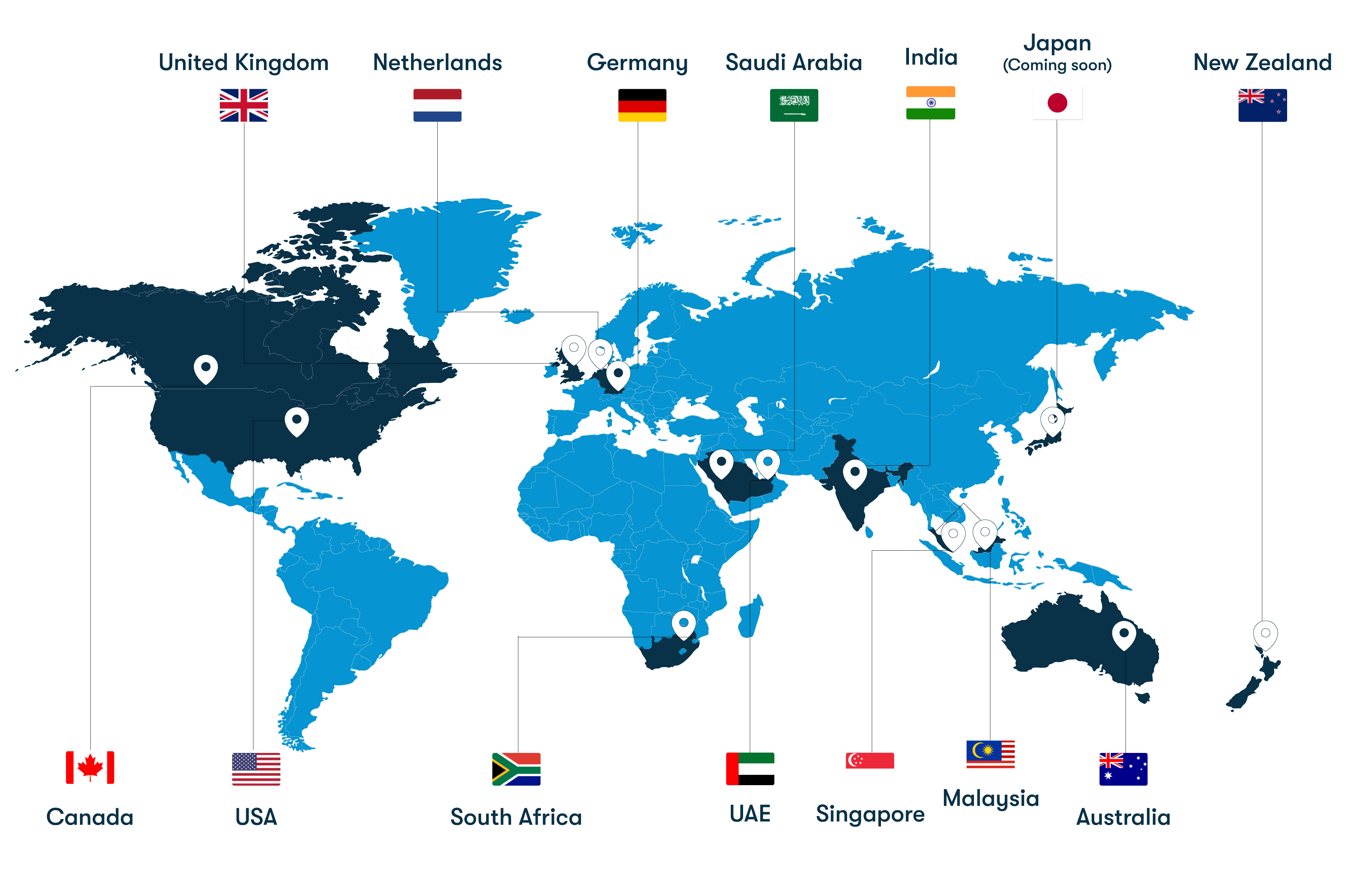
From our headquarters in India to training centers across UAE, Iraq, Saudi Arabia, UK, USA, Singapore, Australia, and more — Koenig delivers Microsoft certification training in 50+ countries.