
Unable to find what you're searching for?
We're here to help you find itMaster automation workflows with Koenig. Our expert-led UiPath Automation Business Analyst training ensures you gain the skills required for the official UiPath professional certification.


500K+ certified professionals























Explore UiPath Automation Business Analyst certification and training courses — delivered live by certified instructors.
UiPath Automation Business Analyst is a professional certification program that equips individuals to identify, analyze, and document automation opportunities within business processes. This course prepares you for the UiPath Certified Professional Automation Business Analyst exam, which consists of 45 multiple-choice questions to be completed in 75 minutes. You will master the Discover, Automate, and Operate pillars of the UiPath Business Automation Platform, including Automation Hub, Process Mining, and Studio. Designed for business analysts and process owners, this training provides the structured methodologies required to bridge business needs with technical solutions, effectively driving organizational digital transformation and operational efficiency.
Business Analysis Fundamentals
Apply process mapping, impact analysis and elicitation techniques
Agile and Waterfall
Work within Agile and Waterfall delivery frameworks
UiPath Methodology
Understand stages of the UiPath Automation Implementation Methodology
Discover Pillar
Use Automation Hub, Process Mining and Task Mining
Automate Concepts
Understand UiPath Studio, ReFramework and UI automation
Process Documentation
Create Process Definition Documents and Solution Design Documents
The building blocks every UiPath Automation Business Analyst solution is made of
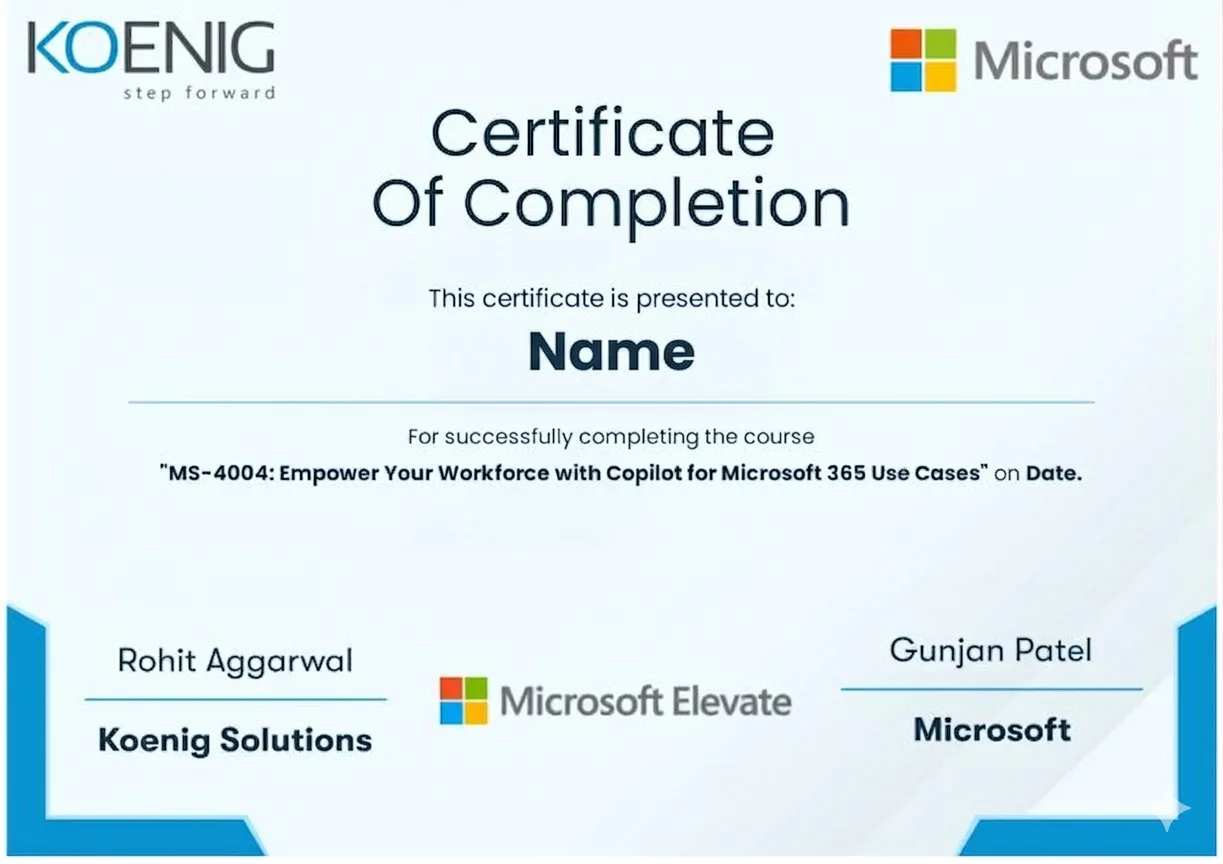
See what your official UiPath Automation Business Analyst certification looks like. Download a sample — then let our advisors map the fastest path to earning the real one.
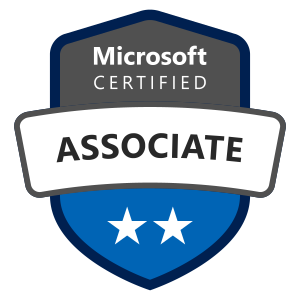 UiPath Automation Business Analyst Associate ExamAutomation Business Analyst Associate
UiPath Automation Business Analyst Professional ExamAutomation Business Analyst Professional
UiPath Automation Developer Associate ExamAutomation Developer Associate
UiPath Automation Developer Professional ExamAutomation Developer Professional
UiPath Automation Solution Architect Professional ExamAutomation Solution Architect Professional
UiPath Software Testing Engineer Professional ExamSoftware Testing Engineer Professional
Official credential badges — shareable on LinkedIn
UiPath Automation Business Analyst Associate ExamAutomation Business Analyst Associate
UiPath Automation Business Analyst Professional ExamAutomation Business Analyst Professional
UiPath Automation Developer Associate ExamAutomation Developer Associate
UiPath Automation Developer Professional ExamAutomation Developer Professional
UiPath Automation Solution Architect Professional ExamAutomation Solution Architect Professional
UiPath Software Testing Engineer Professional ExamSoftware Testing Engineer Professional
Official credential badges — shareable on LinkedIn
Four formats. One quality standard. Every option comes with the same expert instructors, official courseware, and money-back guarantee.
Every factor that determines whether you actually pass your UiPath Automation Business Analyst exam — rated across every training format available.
| Criteria | Koenig | ALP Provider | Legacy Provider | Self-Paced Platform | Free Platform |
|---|---|---|---|---|---|
| Trainer Quality & Credentials | |||||
| UiPath Certified Professional (UCP) Instructors | ✘ | ✘ | ✘ | ||
| Live Instructor-Led Delivery | ✘ | ✘ | ✘ | ||
| 1-on-1 Private Training | ✘ | ✘ | ✘ | ✘ | |
| UiPath Authorization | |||||
| Official UiPath ALP Status | ✘ | ✘ | |||
| UiPath Official Courseware | ✘ | Partial | |||
| Real-world Case Study Projects | ✘ | ✘ | ✘ | ||
| Flexibility & Access | |||||
| Any-Day/Flexi Start | ✘ | ✘ | |||
| On-Site or Fly-Me-Trainer | ✘ | ✘ | ✘ | ✘ | |
| Global Delivery Reach | ✘ | ||||
| Results & Trust | |||||
| Exam Pass Rate | ✘ | ✘ | ✘ | ✘ | |
| Entry Price (USD, Training Only) | ~$745 | ~$1,500+ | $15-30/mo | Free | Free |
| Verified Learner Reviews | 18,400+ · 4.9★ | Limited | N/A | N/A | N/A |
Data sourced from public pricing pages and review platforms. Accurate as of March 2026. Partial = available in select regions only.
Verified reviews from learners certified on Azure, AI, Security, and more.
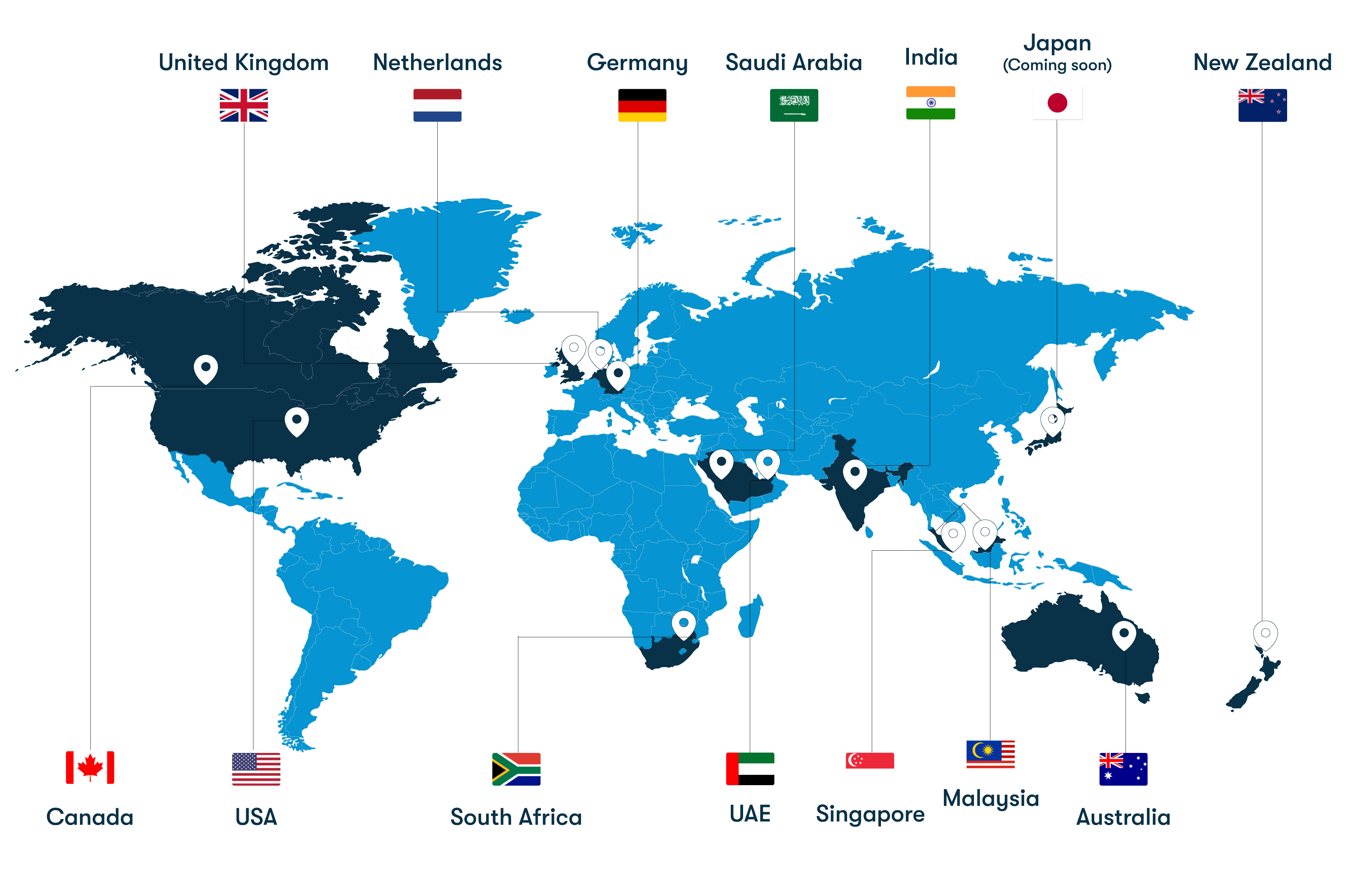
From our headquarters in India to training centers across UAE, Iraq, Saudi Arabia, UK, USA, Singapore, Australia, and more — Koenig delivers Microsoft certification training in 50+ countries.