
Unable to find what you're searching for?
We're here to help you find itDesign software architectures using architectural patterns, document decisions with architectural views, and evaluate conformance to quality requirements. Koenig delivers iSAQB-accredited training with hands-on labs and expert-led instruction to prepare you for the CPSA-F certification.


500K+ certified professionals



























Explore Software Architecture certification and training courses — delivered live by certified instructors.
Software Architecture is a structured approach to designing complex software systems, published by the IEEE and maintained through ISO/IEC/IEEE 42010 standards, that addresses how system components interact to meet functional and non-functional requirements. It forms the foundational layer in the software development lifecycle, guiding design decisions that impact scalability, maintainability, and performance across the vendor's technology stack. The technology encompasses several core components: Architectural Patterns such as Layered, Microservices, and Event-Driven Architectures define structural blueprints; Quality Attribute Scenarios including performance, security, and modifiability guide evaluation criteria; Architecture Description Languages (ADLs) like Acme or Darwin support formal modeling; and Architecture Evaluation Methods such as ATAM (Architecture Tradeoff Analysis Method) enable systematic review of design decisions against business and technical constraints. Software Architecture is intended for software engineers, system designers, and technical leads responsible for high-level design decisions, as it equips them with standardized methods to document, analyze, and validate system structures before implementation, ensuring alignment with long-term business goals and technical feasibility.
Programming Experience
Write and debug code in a higher programming language with modularization and error handling
Modelling Basics
Apply abstraction and use UML diagrams for class, component and sequence modelling
System Design
Document technical concepts and system designs for small to medium-sized applications
Architecture Fundamentals
Understand core responsibilities of a software architect and architectural decision-making
Testing Approaches
Apply unit and acceptance testing methods in software development workflows
Team Collaboration
Work in team-based software development outside of formal education settings
The building blocks every Software Architecture solution is made of
See what your official Software Architecture certification looks like. Download a sample — then let our advisors map the fastest path to earning the real one.
 CPSA-FFoundation Level
CPSA-AAdvanced Level
Open CACertified Architect
Open CAMaster Certified Architect
Open CADistinguished Certified Architect
SEI-SAPSoftware Architecture Professional
Official credential badges — shareable on LinkedIn
CPSA-FFoundation Level
CPSA-AAdvanced Level
Open CACertified Architect
Open CAMaster Certified Architect
Open CADistinguished Certified Architect
SEI-SAPSoftware Architecture Professional
Official credential badges — shareable on LinkedIn
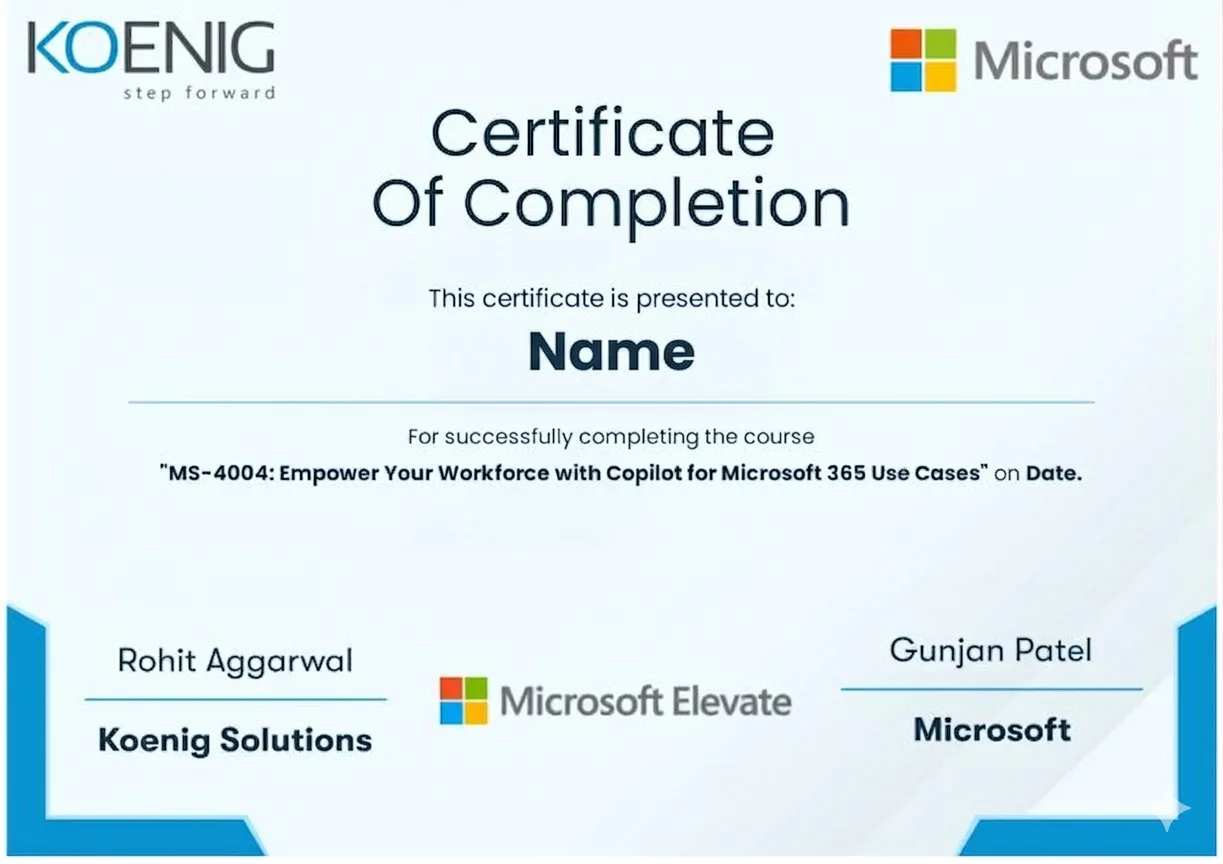
Four formats. One quality standard. Every option comes with the same expert instructors, official courseware, and money-back guarantee.
Every factor that determines whether you actually pass your Software Architecture exam — rated across every training format available.
| Criteria | Koenig | Free Platform | Self-Paced Platform | ALP Provider | Legacy Provider | Note |
|---|---|---|---|---|---|---|
| Trainer expertise and credentials | ||||||
| MCT-Certified Trainers | Partial | — | ||||
| Live instructor-led | Partial | Partial | — | |||
| 1-on-1 private training | — | |||||
| Microsoft ecosystem | ||||||
| Official Microsoft ALP Status | — | |||||
| Official courseware product | Partial | Partial | — | |||
| ESI / EA Credits Accepted | — | |||||
| Flexibility and access | ||||||
| Any-day/flexi start | — | |||||
| On-site delivery | Partial | — | ||||
| Global delivery reach | Partial | — | ||||
| Results and trust | ||||||
| Exam pass rate | 95% | N/A | N/A | N/A | N/A | Row omitted on live page: unverified for this vendor |
| Entry price | ~$1,700 · best value | Free | $199/mo | ~$2,250+ | ~$1,500+ | — |
| Verified reviews | 18,400+ · 4.9★ | N/A | Limited | Limited | Limited | — |
Data sourced from public pricing pages and review platforms. Accurate as of March 2026. Partial = available in select regions only.
Verified reviews from learners certified on Azure, AI, Security, and more.
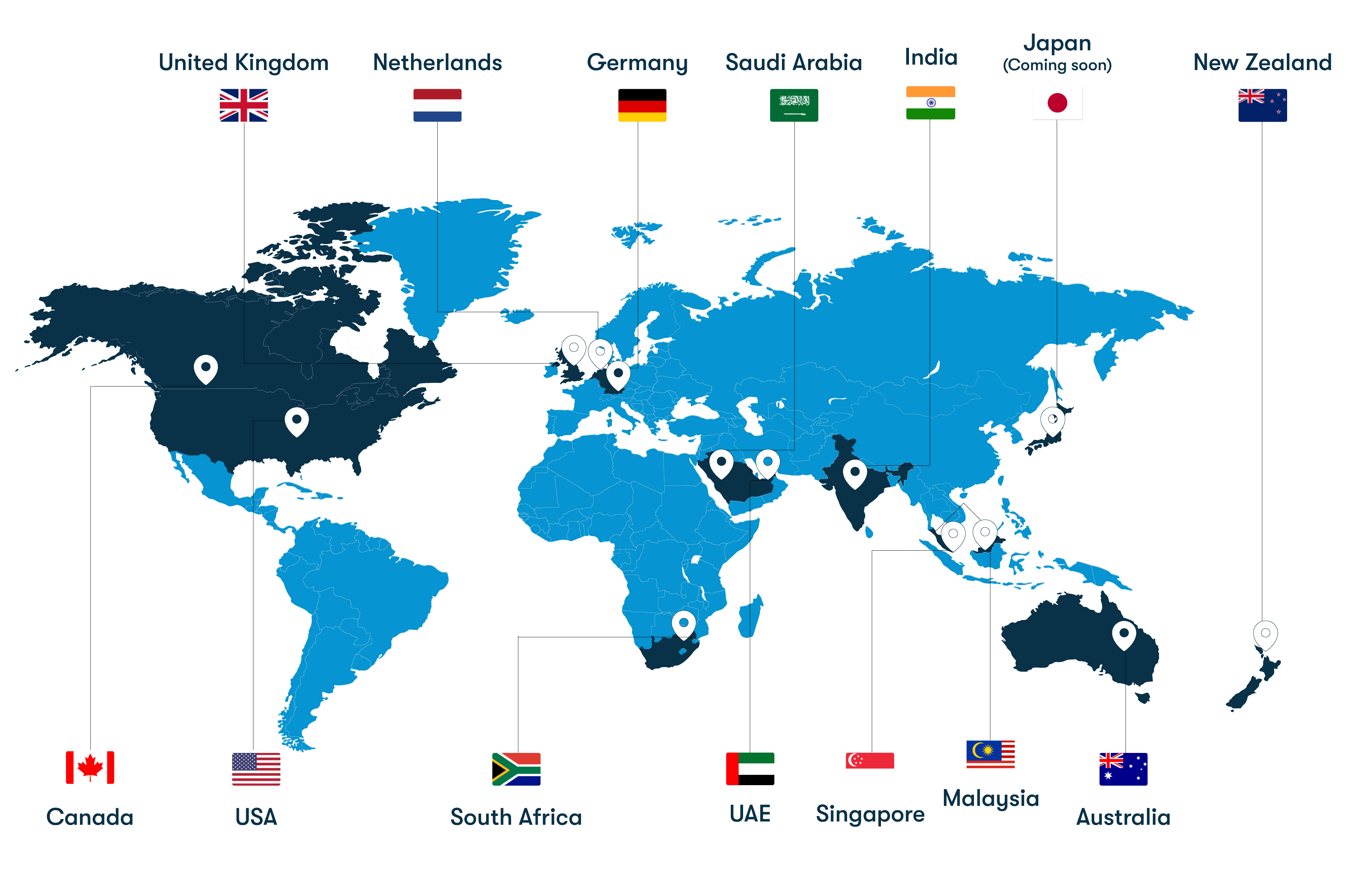
From our headquarters in India to training centers across UAE, Iraq, Saudi Arabia, UK, USA, Singapore, Australia, and more — Koenig delivers Microsoft certification training in 50+ countries.