


Unable to find what you're searching for?
We're here to help you find itChange Vendor
Security Blue Team focuses on defensive cybersecurity practices aimed at protecting organizations from cyber threats. Blue teams are responsible for monitoring, detecting, analyzing, and responding to security incidents to safeguard IT infrastructure, networks, and sensitive data.


Security Blue Team training emphasizes skills in Security Operations Center (SOC) operations, threat intelligence, log analysis, SIEM tools, intrusion detection systems (IDS), digital forensics, and incident response management. Professionals learn how to identify malicious activities, contain breaches, and implement remediation strategies to strengthen security posture.
Blue team expertise is essential across industries such as finance, healthcare, government, critical infrastructure, and enterprise IT environments. With cyber threats becoming increasingly sophisticated, organizations rely on well-trained defensive teams to maintain resilience and compliance.
Learning Security Blue Team methodologies equips professionals with expertise in threat hunting, malware analysis, network defense, vulnerability assessment, and cybersecurity monitoring frameworks, making them highly valuable in modern cybersecurity operations.
Change Partner
Clear All
Filter
Clear All
Clear All
Clear All
*Excluding VAT and GST
Showing to of entries
The concept of “Blue Team” originated from military-style cybersecurity exercises, where defensive teams (Blue Teams) protect systems against offensive attackers (Red Teams). As cybersecurity matured, blue team roles became formalized within enterprise Security Operations Centers.
Organizations began investing heavily in defensive monitoring and incident response capabilities to counter rising cyber threats. Training programs and certifications emerged to standardize blue team skill development.
Today, Security Blue Team methodologies are integral to enterprise cybersecurity strategies, focusing on proactive defense and rapid incident response.
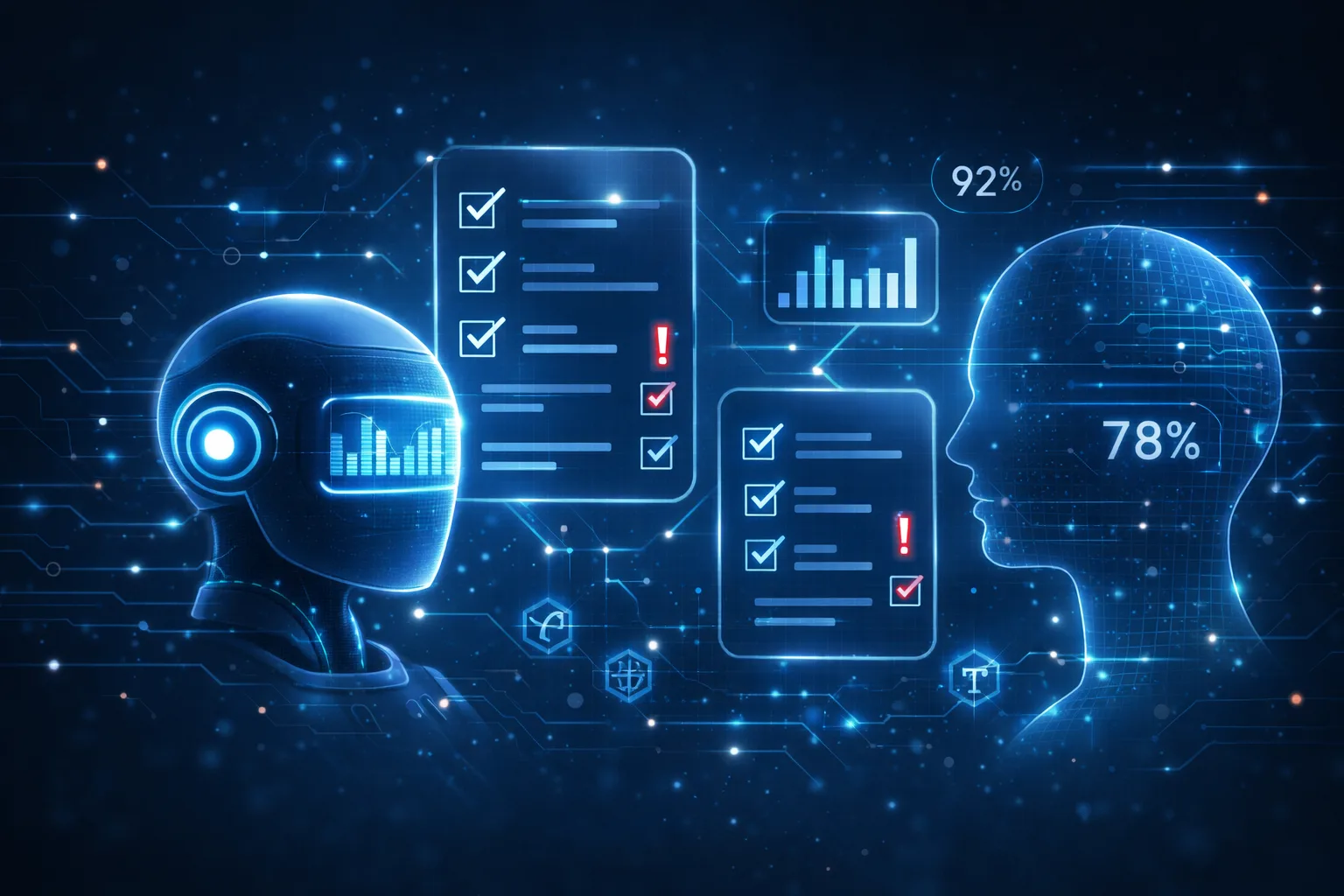
Recent trends in Security Blue Team practices focus on threat hunting, automation, and AI-driven detection technologies. Organizations are integrating advanced SIEM and SOAR platforms to enhance real-time monitoring and response.
There is growing emphasis on zero trust security models, cloud security monitoring, and endpoint detection and response (EDR). Blue teams are also adopting proactive threat intelligence and behavioral analytics to detect sophisticated attacks.
Additionally, continuous skills development in malware analysis, digital forensics, and incident response playbooks remains critical. As cyber risks evolve, Security Blue Team capabilities continue to advance to protect modern digital environments effectively.