
Unable to find what you're searching for?
We're here to help you find itAnalyze malware binaries, deconstruct obfuscated code, and extract indicators of compromise using IDA Pro, Ghidra, and x64dbg. Koenig delivers hands-on labs and real-world projects with officially credentialed trainers, preparing you for the GIAC Reverse Engineering Malware (GREM) certification.


500K+ certified professionals

























Explore Reverse Engineering certification and training courses — delivered live by certified instructors.
Reverse Engineering is a technical discipline focused on analyzing software to understand its functionality, structure, and design, often applied to binary programs without access to source code. It is supported by frameworks such as rev.ng, which enables accurate decompilation and analysis through open-source tooling built on LLVM and QEMU. The rev.ng framework includes core components: import-binary, which extracts symbols and metadata from ELF, Mach-O, and PE/COFF files; lift, which translates machine code into LLVM IR using QEMU; analyze-data-layout, which infers data structures from memory access patterns; decompile, which generates recompilable C code; and render-svg-call-graph, which visualizes program flow. These tools operate within a client-server architecture accessible via GraphQL, supporting automation through Python and TypeScript. This technology is for security researchers, malware analysts, and software auditors who require precise, interactive, and reproducible insights into compiled binaries, enabling deep inspection, vulnerability discovery, and safe recompilation.
x86 Assembly
Understand x86 processor architecture and assembly language fundamentals
Windows Internals
Navigate Windows system architecture, processes, and memory management
Linux Fundamentals
Use Linux command line and manage files and permissions
C Programming
Write and compile C code for user-mode Windows applications
Debugger Use
Perform dynamic analysis with debuggers like GDB or WinDbg
Virtualization Setup
Configure VMware with virtual machines for lab environments
The building blocks every Reverse Engineering solution is made of
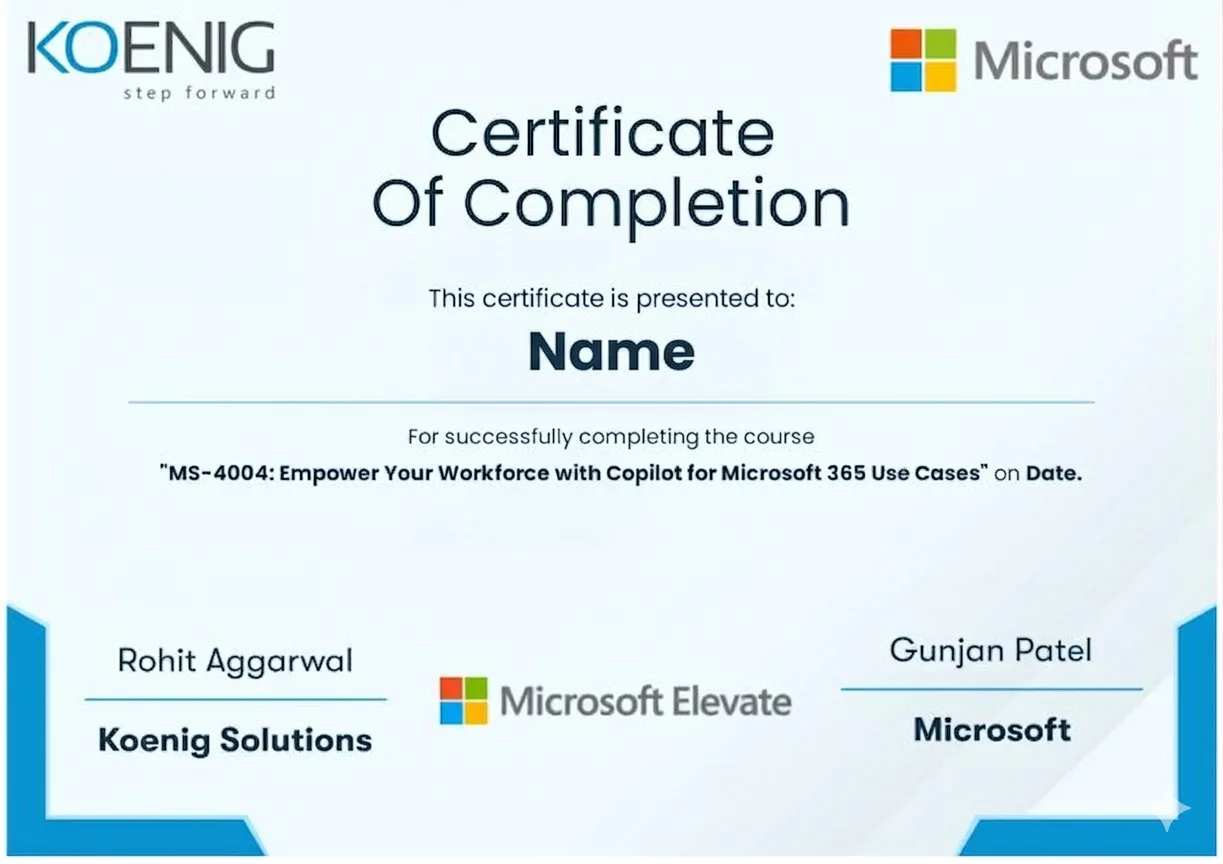
See what your official Reverse Engineering certification looks like. Download a sample — then let our advisors map the fastest path to earning the real one.
 GREMGIAC Reverse Engineering Malware
OSCEOffSec Certified Expert
eCREeLearnSecurity Certified Reverse Engineer
GREPGIAC Reverse Engineering Professional
OSREOffSec Reverse Engineering
eCXDeLearnSecurity Certified Exploit Developer
Official credential badges — shareable on LinkedIn
GREMGIAC Reverse Engineering Malware
OSCEOffSec Certified Expert
eCREeLearnSecurity Certified Reverse Engineer
GREPGIAC Reverse Engineering Professional
OSREOffSec Reverse Engineering
eCXDeLearnSecurity Certified Exploit Developer
Official credential badges — shareable on LinkedIn
Four formats. One quality standard. Every option comes with the same expert instructors, official courseware, and money-back guarantee.
Every factor that determines whether you actually pass your Reverse Engineering exam — rated across every training format available.
| Criteria | Koenig | ALP Provider | Legacy Provider | Self-Paced Platform | Free Platform |
|---|---|---|---|---|---|
| Trainer Quality & Credentials | |||||
| MCT-Certified Trainers | Partial | Partial | |||
| Live Instructor-Led Classes | |||||
| 1-on-1 Private Training | |||||
| GIAC Authorisation | |||||
| Official GIAC Status | Partial | ||||
| Official Courseware | Partial | ||||
| Training Credits Accepted | Partial | ||||
| Flexibility & Access | |||||
| Flexi / Any-Day Start | |||||
| On-Site / Fly-Me-A-Trainer | |||||
| Global Delivery | Partial | Partial | |||
| Results & Trust | |||||
| Exam Pass Rate | 95% | ~70–75% | Not published | Not tracked | Variable |
| Entry Price | ~$745 · best value | ~$1,500+ | ~$1,400+ | $15-30/mo | Free |
| Verified Reviews | 18,400+ · 4.9★ | Limited | Limited | High volume | N/A |
Data sourced from public pricing pages and review platforms. Accurate as of March 2026. Partial = available in select regions only.
Verified reviews from learners certified on Azure, AI, Security, and more.
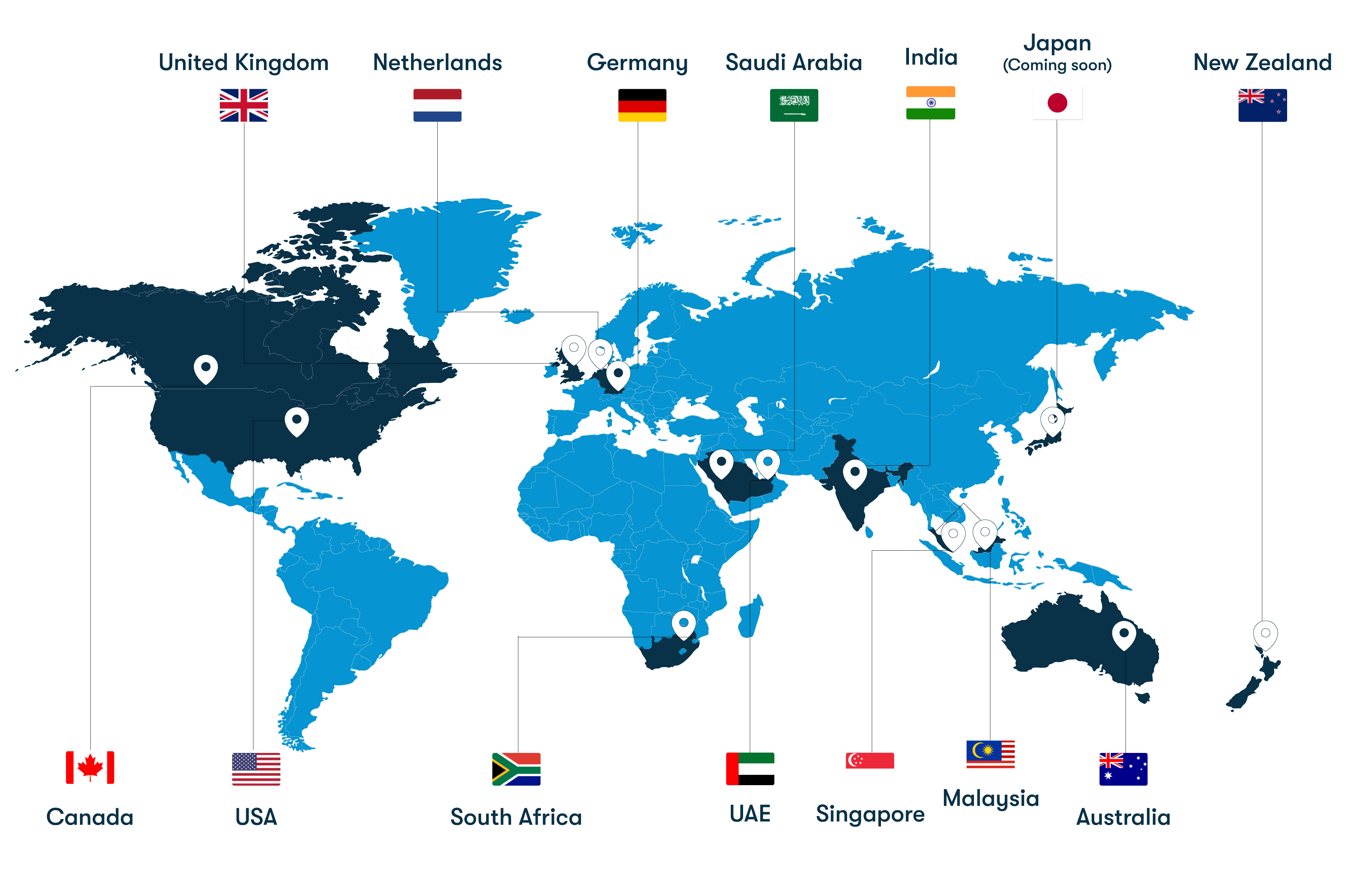
From our headquarters in India to training centers across UAE, Iraq, Saudi Arabia, UK, USA, Singapore, Australia, and more — Koenig delivers Microsoft certification training in 50+ countries.