
Unable to find what you're searching for?
We're here to help you find itDesign test models using workflow and state transition diagrams, generate test cases with selection criteria, and execute high-level test implementations. Koenig delivers ISTQB CT-MBT certification training through officially credentialed instructors, hands-on labs, and real-world project exercises.
500K+ certified professionals



























Explore Model Testing certification and training courses — delivered live by certified instructors.
Model Testing is a framework by Flowable for creating automated tests within business process and AI agent modeling environments, enabling teams to validate model behavior before deployment. It integrates into the Flowable platform’s development lifecycle, supporting early regression detection and executable documentation of expected outcomes across process, case, service, and agent models. The technology supports testing across multiple model types: Process (BPMN) and Case (CMMN) models use unit tests with step-by-step assertions; Service models support both unit and ad-hoc tests for operation validation; AI Agent models include unit tests and an Evaluate function for response verification; and Action models allow ad-hoc invocation to inspect script outputs during design. This technology is for modelers, developers, and test engineers who build and maintain process-driven or AI-integrated applications in Flowable, as it enables reliable validation of logic, integration points, and system responses without requiring production deployment.
ISTQB Foundation
Hold the ISTQB Certified Tester Foundation Level certification
Software Testing Basics
Design test cases and execute automated test scripts
MBT Objectives
Understand motivations and integration of model-based testing
Modeling Languages
Use workflow or state transition modeling for test objects
Test Case Generation
Apply test selection criteria to MBT models
Test Implementation
Execute high-level and low-level model-based test cases
The building blocks every Model Testing solution is made of
See what your official Model Testing certification looks like. Download a sample — then let our advisors map the fastest path to earning the real one.
 CTFLFoundation Level
CT-MBTModel-Based Tester
CT-AIAI Testing
CTFL-ATAcceptance Testing
CTFL-TATest Analyst
CTFL-TTATechnical Test Analyst
Official credential badges — shareable on LinkedIn
CTFLFoundation Level
CT-MBTModel-Based Tester
CT-AIAI Testing
CTFL-ATAcceptance Testing
CTFL-TATest Analyst
CTFL-TTATechnical Test Analyst
Official credential badges — shareable on LinkedIn
Four formats. One quality standard. Every option comes with the same expert instructors, official courseware, and money-back guarantee.
Every factor that determines whether you actually pass your Model Testing exam — rated across every training format available.
| Criteria | Koenig | ALP Provider | Legacy Provider | Self-Paced Platform | Free Platform |
|---|---|---|---|---|---|
| Trainer expertise and delivery | |||||
| ISTQB Accredited Trainers | ✘ | ✘ | |||
| Live instructor-led delivery | ✘ | ✘ | |||
| 1-on-1 private training | ✘ | ✘ | |||
| ISTQB framework alignment | |||||
| Official ISTQB ATP Status | ✘ | ✘ | |||
| Official ISTQB courseware | ✘ | ✘ | |||
| Flexibility and access | |||||
| Any-day flexi start | Partial | ||||
| On-site or fly-me-a-trainer | ✘ | ✘ | |||
| Global delivery reach | |||||
| Results and investment | |||||
| Entry price for Model Testing | ~$850 · best value | ~$1,500+ | Contact | $15-30/mo | Free |
Data sourced from public pricing pages and review platforms. Accurate as of March 2026. Partial = available in select regions only.
Verified reviews from learners certified on Azure, AI, Security, and more.
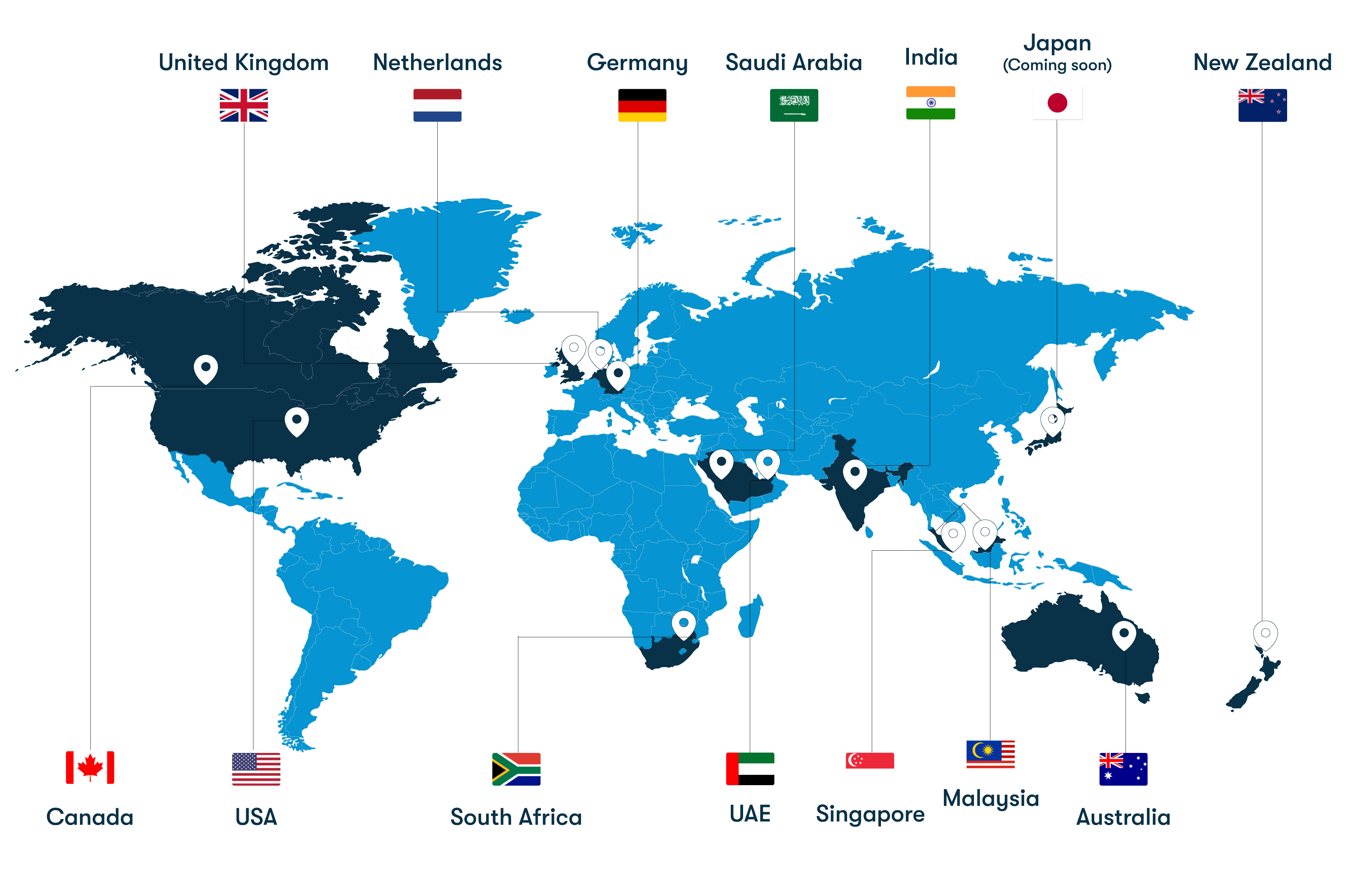
From our headquarters in India to training centers across UAE, Iraq, Saudi Arabia, UK, USA, Singapore, Australia, and more — Koenig delivers Microsoft certification training in 195+ countries.