
Unable to find what you're searching for?
We're here to help you find itMaster Microsoft Defender XDR with Koenig. Our expert-led training and hands-on labs prepare you for SC-5004 certification, ensuring you effectively detect and investigate complex security threats.


500K+ certified professionals



























Explore Microsoft Defender XDR certification and training courses — delivered live by certified instructors.
Microsoft Defender XDR is an extended detection and response platform published by Microsoft that unifies security across endpoints, identities, email, and cloud applications to detect, investigate, and respond to advanced threats. It serves as the cross-product layer within Microsoft's security ecosystem, correlating signals from licensed Microsoft security services to deliver coordinated protection. The platform integrates several core components: Microsoft Defender for Endpoint protects devices with EDR capabilities, Microsoft Defender for Office 365 secures email and collaboration tools, Microsoft Defender for Identity monitors on-premises Active Directory for identity-based threats, and Microsoft Defender for Cloud Apps provides visibility and control over SaaS applications. Additional services like Microsoft Entra ID Protection and Microsoft Defender Vulnerability Management extend coverage to identity and risk management. Security operations center analysts, incident responders, and threat hunters benefit most from Microsoft Defender XDR, as it consolidates alerts into prioritized incidents, automates investigation workflows, and enables cross-domain threat hunting at machine speed.
Entra ID Roles
Assign and manage security administrator roles in Microsoft Entra ID
Defender Licensing
Understand license requirements for Microsoft Defender XDR and Plan 2 features
Endpoint Protection
Configure and manage devices using Microsoft Defender for Endpoint
KQL Querying
Write Kusto Query Language queries for threat detection and hunting
Alert Investigation
Investigate and respond to security alerts in the Defender portal
Automation Rules
Create and manage automation rules for incident response workflows
The building blocks every Microsoft Defender XDR solution is made of
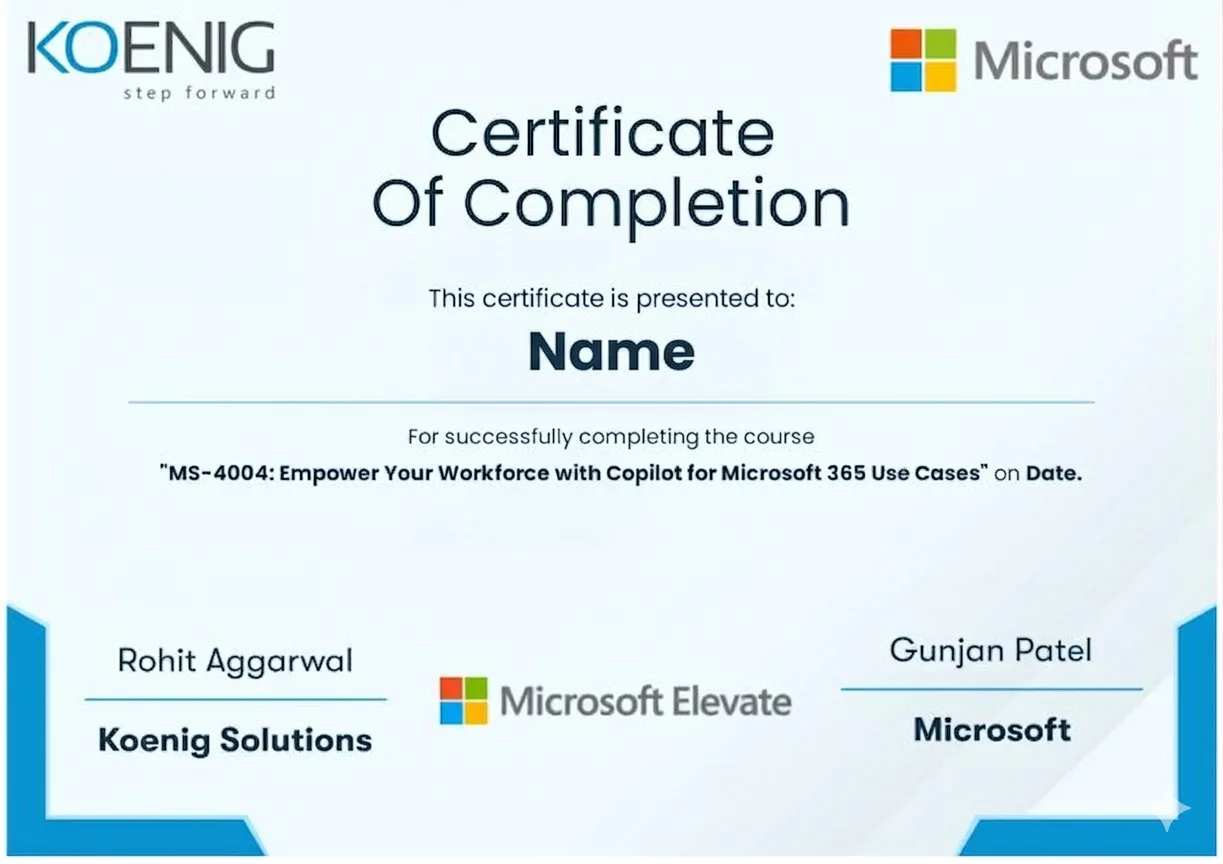
See what your official Microsoft Defender XDR certification looks like. Download a sample — then let our advisors map the fastest path to earning the real one.
 SC-200Microsoft Security Operations Analyst (Microsoft Defender XDR focus)
SC-100Microsoft Cybersecurity Architect (Microsoft Defender XDR strategy)
SC-300Microsoft Identity and Access Administrator (Microsoft Entra integration)
SC-400Microsoft Information Protection Administrator (Microsoft Purview integration)
SC-900Microsoft Security, Compliance, and Identity Fundamentals (Microsoft Defender XDR overview)
PL-900Microsoft Power Platform Fundamentals (Microsoft Sentinel and Defender XDR automation)
Official credential badges — shareable on LinkedIn
SC-200Microsoft Security Operations Analyst (Microsoft Defender XDR focus)
SC-100Microsoft Cybersecurity Architect (Microsoft Defender XDR strategy)
SC-300Microsoft Identity and Access Administrator (Microsoft Entra integration)
SC-400Microsoft Information Protection Administrator (Microsoft Purview integration)
SC-900Microsoft Security, Compliance, and Identity Fundamentals (Microsoft Defender XDR overview)
PL-900Microsoft Power Platform Fundamentals (Microsoft Sentinel and Defender XDR automation)
Official credential badges — shareable on LinkedIn
Four formats. One quality standard. Every option comes with the same expert instructors, official courseware, and money-back guarantee.
Every factor that determines whether you actually pass your Microsoft Defender XDR exam — rated across every training format available.
| Criteria | Koenig | ALP Provider | Legacy Provider | Self-Paced Platform | Free Platform |
|---|---|---|---|---|---|
| Trainer Expertise and Qualifications | |||||
| MCT-Certified Trainers | ✘ | ✘ | ✘ | ||
| Live Instructor-Led Training | Partial | ✘ | ✘ | ||
| 1-on-1 Private Mentorship | ✘ | ✘ | ✘ | ||
| Microsoft Official Accreditation | |||||
| Official Microsoft ALP (Authorized Learning Partner) Status | ✘ | ✘ | ✘ | ||
| Official Microsoft Courseware | Partial | ||||
| ESI / EA Credit Eligibility | ✘ | ✘ | ✘ | ||
| Delivery Flexibility and Reach | |||||
| Any-Day/Flexi Start Dates | ✘ | ✘ | |||
| On-Site or Custom Delivery | ✘ | ✘ | ✘ | ||
| Global Training Reach | Partial | ||||
| Performance and Trust Signals | |||||
| Exam Pass Rate* | 95% | N/A | N/A | N/A | N/A |
| Entry Price (Fundamentals) | ~$745 | ~$1,500+ | $15-30/mo | Free | Free |
| Verified Student Reviews | 18,400+ · 4.9★ | Limited | Limited | N/A | N/A |
Data sourced from public pricing pages and review platforms. Accurate as of March 2026. Partial = available in select regions only.
Verified reviews from learners certified on Azure, AI, Security, and more.
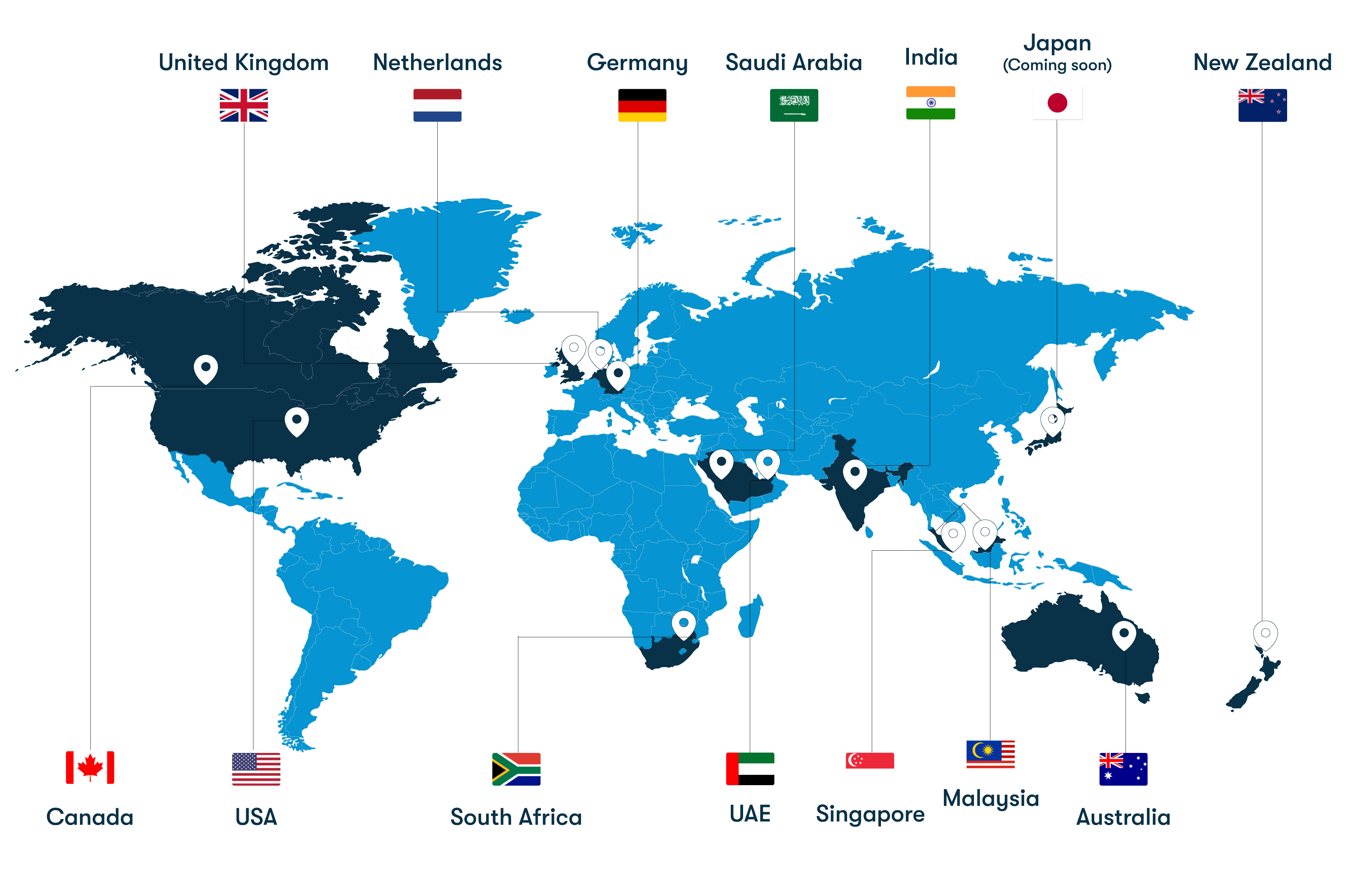
From our headquarters in India to training centers across UAE, Iraq, Saudi Arabia, UK, USA, Singapore, Australia, and more — Koenig delivers Microsoft certification training in 50+ countries.