
Unable to find what you're searching for?
We're here to help you find itMaster SAP Extended Warehouse Management through hands-on labs and expert training. Prepare for the SAP Certified Application Associate - Extended Warehouse Management credential to optimize your logistics operations and career.


500K+ certified professionals



























Explore Logistics certification and training courses — delivered live by certified instructors.
Logistics is the coordinated process of planning, implementing, and controlling the efficient flow and storage of goods, services, and related information from origin to consumption, as defined by standards such as GB/T 18354-2021 and GS1. It solves the challenge of delivering products reliably and cost-effectively across complex supply chains. Within enterprise operations, logistics integrates with procurement, inventory, and distribution systems to ensure supply chain resilience and operational continuity. Core components include Transportation Management Systems (TMS) for route optimisation and carrier coordination, Warehouse Management Systems (WMS) for inventory tracking and order fulfilment, Freight Forwarding services to manage international shipments, Customs Brokerage for regulatory compliance, and Last-Mile Delivery networks ensuring final distribution. Additional modules such as Reverse Logistics, Cargo Handling, and Distribution Services support specialised functions across industries. This technology is for supply chain managers, logistics coordinators, and operations analysts who require precise control over inventory, transportation, and distribution networks to reduce costs, improve delivery accuracy, and maintain compliance in global trade environments.
Supply Chain Fundamentals
Explain end-to-end supply chain flow from sourcing to delivery
Inventory Principles
Apply EOQ, JIT and ABC analysis in logistics contexts
Transportation Models
Evaluate modes of transport and distribution strategies
Warehousing Operations
Manage storage, material handling and inventory control systems
ERP Proficiency
Use ERP systems for procurement and logistics functions
CLA Certification
Hold MSSC Certified Logistics Associate (CLA) certificate
The building blocks every Logistics solution is made of
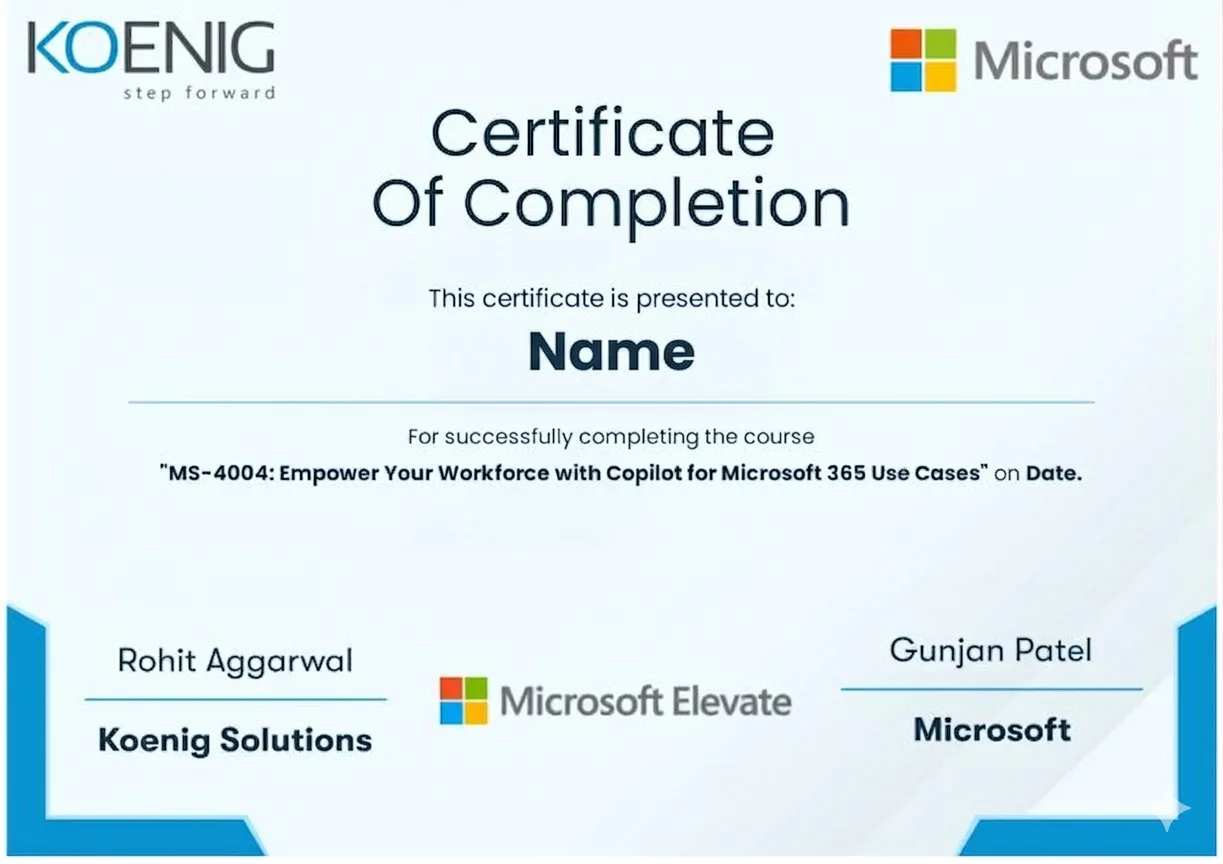
See what your official Logistics certification looks like. Download a sample — then let our advisors map the fastest path to earning the real one.
 CLA 4.0MSSC Certified Logistics Associate
CLT 4.0MSSC Certified Logistics Technician
CLTDASCM Certified in Logistics, Transportation and Distribution
CFTMSSC Certified Forklift Technician (Vendor-specific certification)
CT-SCAMSSC Certified Technician-Supply Chain Automation
SCPro Level OneCSCMP Supply Chain Professional
Official credential badges — shareable on LinkedIn
CLA 4.0MSSC Certified Logistics Associate
CLT 4.0MSSC Certified Logistics Technician
CLTDASCM Certified in Logistics, Transportation and Distribution
CFTMSSC Certified Forklift Technician (Vendor-specific certification)
CT-SCAMSSC Certified Technician-Supply Chain Automation
SCPro Level OneCSCMP Supply Chain Professional
Official credential badges — shareable on LinkedIn
Four formats. One quality standard. Every option comes with the same expert instructors, official courseware, and money-back guarantee.
Every factor that determines whether you actually pass your Logistics exam — rated across every training format available.
| Criteria | Koenig | Free Platform | Self-Paced Platform | Authorized Learning Partners | Traditional Classroom Providers |
|---|---|---|---|---|---|
| Trainer Expertise & Credentials | |||||
| APICS Master Instructor-Led | Partial | ||||
| Live Instructor-Led Logistics | |||||
| 1-on-1 Private Logistics Training | Partial | ||||
| ASCM Authorization Standards | |||||
| Official ASCM Partner Status | Partial | ||||
| Official Courseware Product | |||||
| ESI / EA Credits Accepted | |||||
| Flexibility & Global Access | |||||
| Any-Day / Flexi Start | |||||
| On-Site / Fly-Me-Trainer | Partial | ||||
| Global Delivery Logistics Reach | Partial | ||||
| Results & Trust Signals | |||||
| Exam Pass Rate | Partial | ||||
| Entry Price | ~$1,700 | Free | $15-30/mo | ~$1,530+ | $1,700 |
| Verified Learner Reviews | 18,400+ · 4.9★ | N/A | N/A | Limited | N/A |
Data sourced from public pricing pages and review platforms. Accurate as of March 2026. Partial = available in select regions only.
Verified reviews from learners certified on Azure, AI, Security, and more.
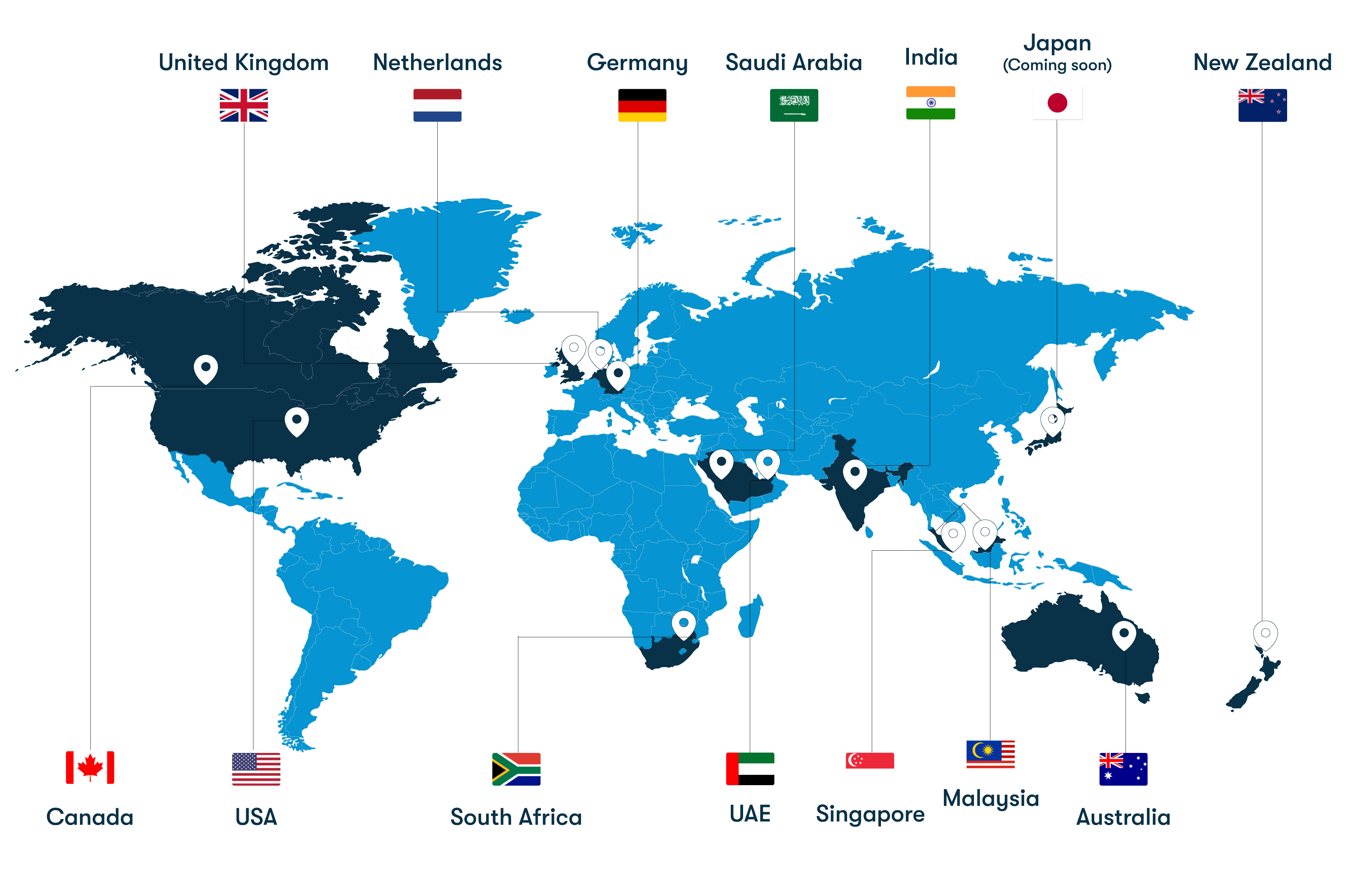
From our headquarters in India to training centers across UAE, Iraq, Saudi Arabia, UK, USA, Singapore, Australia, and more — Koenig delivers Microsoft certification training in 50+ countries.