
Unable to find what you're searching for?
We're here to help you find itMaster hyperparameter tuning in Amazon SageMaker to optimize model performance and prepare for the AWS Certified Machine Learning Engineer – Associate exam with expert-led training.


500K+ certified professionals



























Explore Hyperparameter Tuning certification and training courses — delivered live by certified instructors.
Hyperparameter Tuning in AWS SageMaker optimizes model configurations by systematically adjusting settings to maximize performance. This course covers essential strategies, including Bayesian optimization and Hyperband, while leveraging industry-standard frameworks like Optuna and Ray Tune for advanced experimentation. Automated tuning can reduce model training time by up to 40 percent compared to manual grid search. Designed for data scientists and machine learning engineers, this training provides the technical depth required to streamline workflows. Master the configuration of tuning jobs and objective metrics to achieve superior model accuracy and efficiency within the AWS ecosystem.
Machine Learning Fundamentals
Explain bias-variance tradeoff and model evaluation metrics
Python for ML
Write Python scripts using scikit-learn and pandas
Model Training
Train supervised learning models on tabular datasets
ML Frameworks
Use MLflow or Hyperopt for experiment tracking
Hyperparameter Search
Perform grid, random, and Bayesian search methods
Distributed Computing
Scale training with SparkML or Ray clusters
The building blocks every Hyperparameter Tuning solution is made of
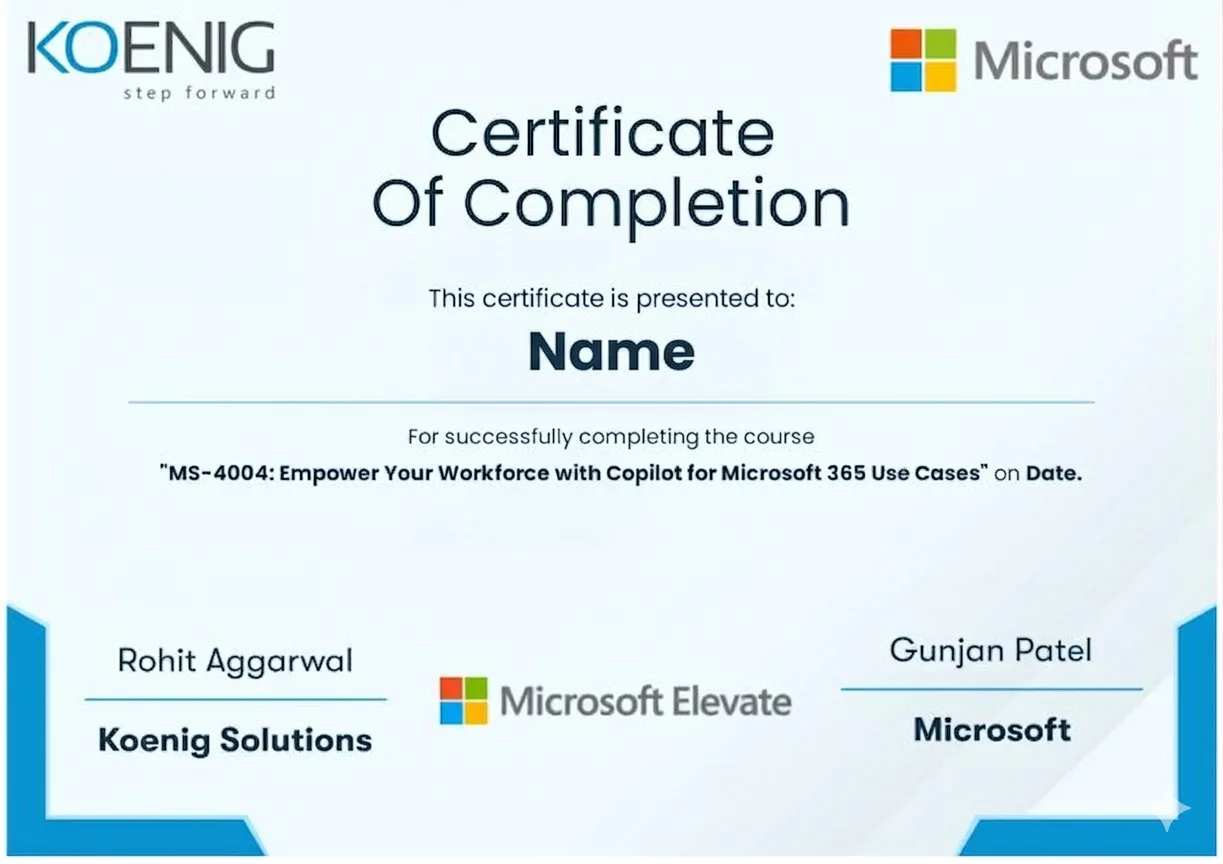
See what your official Hyperparameter Tuning certification looks like. Download a sample — then let our advisors map the fastest path to earning the real one.
 DATABRICKS-ML-PROFESSIONALDatabricks Certified Machine Learning Professional
AWS-ML-ASSOCIATEAWS Certified Machine Learning Associate
AWS-ML-SPECIALTYAWS Certified Machine Learning - Specialty
MLS-C01AWS Certified Machine Learning - Specialty
GCP-ML-ENGINEERGoogle Cloud Professional Machine Learning Engineer
AZ-ML-ASSOCIATEMicrosoft Azure Data Scientist Associate
Official credential badges — shareable on LinkedIn
DATABRICKS-ML-PROFESSIONALDatabricks Certified Machine Learning Professional
AWS-ML-ASSOCIATEAWS Certified Machine Learning Associate
AWS-ML-SPECIALTYAWS Certified Machine Learning - Specialty
MLS-C01AWS Certified Machine Learning - Specialty
GCP-ML-ENGINEERGoogle Cloud Professional Machine Learning Engineer
AZ-ML-ASSOCIATEMicrosoft Azure Data Scientist Associate
Official credential badges — shareable on LinkedIn
Four formats. One quality standard. Every option comes with the same expert instructors, official courseware, and money-back guarantee.
Every factor that determines whether you actually pass your Hyperparameter Tuning exam — rated across every training format available.
| Criteria | Koenig | Free Platform | Self-Paced Platform | ALP Provider | Legacy Provider | Note |
|---|---|---|---|---|---|---|
| Trainer Quality & Credentials | ||||||
| MCT-Certified Trainers | Partial | ✖ | ✖ | — | ||
| Live Instructor-Led Delivery | Partial | ✖ | — | |||
| 1-on-1 Private Training | ✖ | ✖ | ✖ | — | ||
| NVIDIA Authorisation | ||||||
| Official NVIDIA ALP Status | ✖ | ✖ | ✖ | — | ||
| NVIDIA Official Courseware | Partial | ✖ | ✖ | — | ||
| Learning Credits Accepted | ✖ | ✖ | ✖ | — | ||
| Flexibility & Access | ||||||
| Any-Day/Flexi Start | ✖ | ✖ | — | |||
| On-Site Delivery Option | ✖ | ✖ | ✖ | — | ||
| Global Delivery Reach | Partial | Partial | — | |||
| Results & Trust | ||||||
| Exam Pass Rate | ✖ | ✖ | ✖ | ✖ | Row omitted on live page: unverified for this vendor | |
| Entry Price (Fundamentals) | ~$745 · best value | Free | Free | ~$1,500+ | $15-30/mo | — |
| Verified Learner Reviews | 18,400+ · 4.9★ | N/A | N/A | Limited | N/A | — |
Data sourced from public pricing pages and review platforms. Accurate as of March 2026. Partial = available in select regions only.
Verified reviews from learners certified on Azure, AI, Security, and more.
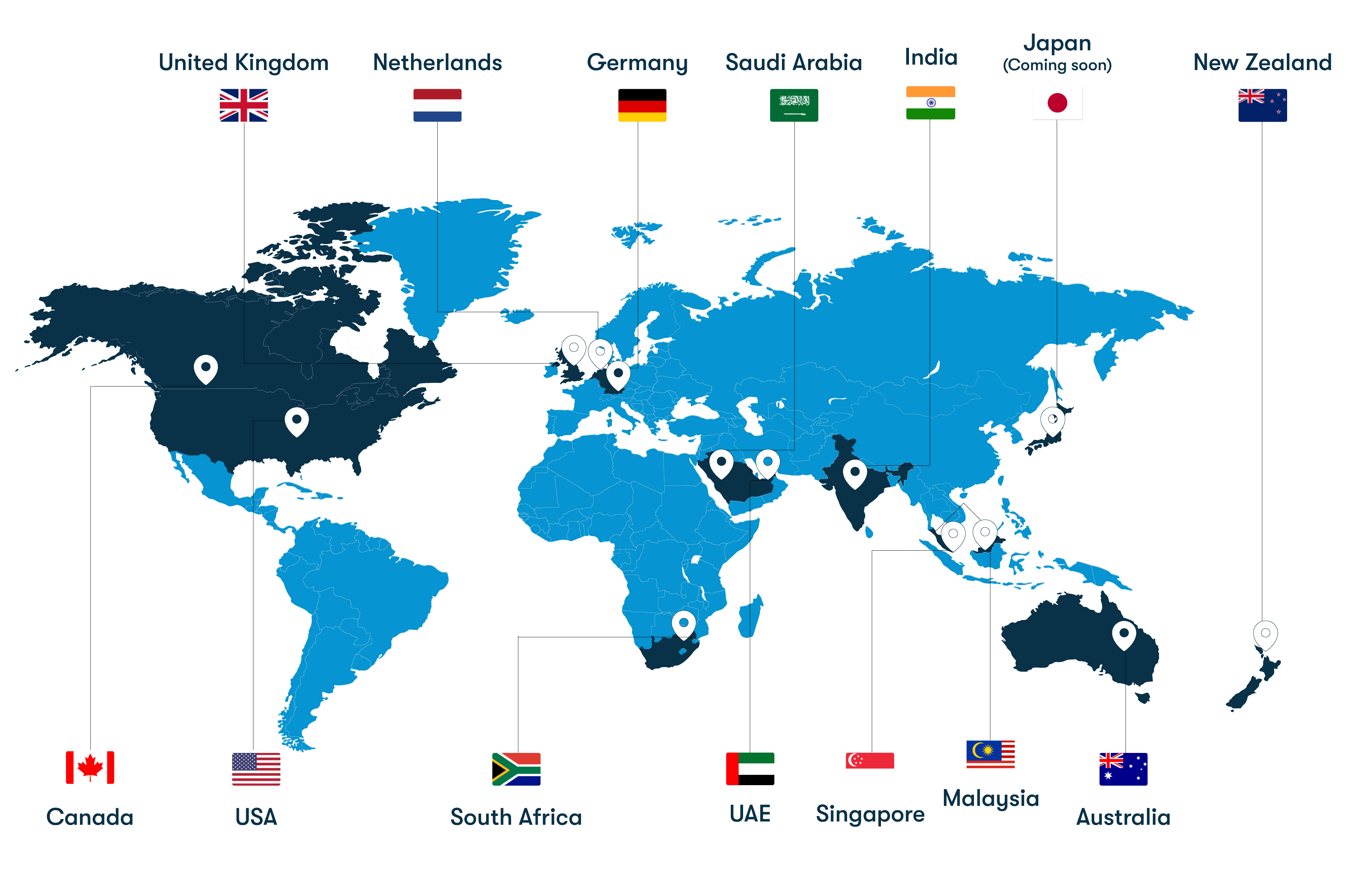
From our headquarters in India to training centers across UAE, Iraq, Saudi Arabia, UK, USA, Singapore, Australia, and more — Koenig delivers Microsoft certification training in 50+ countries.