
Unable to find what you're searching for?
We're here to help you find itDesign, implement and execute tests for game mechanics, graphics, and sound using ISTQB® CT-GaMe methodologies. Train with Koenig’s accredited instructors through hands-on labs and real-world projects to earn the ISTQB® Certified Tester Game Testing (CT-GaMe) certification.


500K+ certified professionals



























Explore Game Testing certification and training courses — delivered live by certified instructors.
Game Testing is a specialized discipline within software quality assurance focused on validating video game functionality, performance, and user experience, published by the International Software Testing Qualifications Board (ISTQB) as part of its Certified Tester Specialist stream. It addresses the unique challenges of interactive entertainment, including real-time responsiveness, multiplatform compatibility, and player engagement, ensuring games meet technical and design requirements across development stages. Core components include Testing Game Mechanics, which validates gameplay rules and interactions; Graphics Testing, ensuring visual fidelity and rendering performance; Sound Testing, verifying audio quality and synchronization; Game Level Testing, assessing level design and progression flow; Game Controllers Testing, confirming input device compatibility; and Localization Testing, checking linguistic and cultural accuracy across regions. Each module targets specific quality dimensions critical to player satisfaction and platform compliance. This technology is for software testers, test analysts, QA consultants, and game development professionals who require structured methodologies to identify defects in complex, interactive systems, enabling them to ensure game stability, usability, and certification readiness across diverse platforms and global markets.
Foundation Testing
Hold ISTQB Certified Tester Foundation Level certification and demonstrate proficiency in bug tracking workflows using tools like Jira.
Game Concepts
Understand core video game mechanics, genres, and the ability to interpret Game Design Documents (GDDs) to identify functional requirements.
Test Design
Design and execute test cases within Unity or Unreal Engine, with a focus on Regression Testing methodologies.
Graphics Testing
Evaluate visual content for defects using TestRail for documentation and ensure compliance with platform-specific technical requirements (TRC/XR/LRC).
Sound Testing
Assess audio elements for synchronization, mixing quality, and performance overhead within the game engine environment.
Localization Basics
Test language and regional adaptations, ensuring UI/UX consistency and compliance with internationalization standards.
The building blocks every Game Testing solution is made of
See what your official Game Testing certification looks like. Download a sample — then let our advisors map the fastest path to earning the real one.
 Official credential badges — shareable on LinkedIn
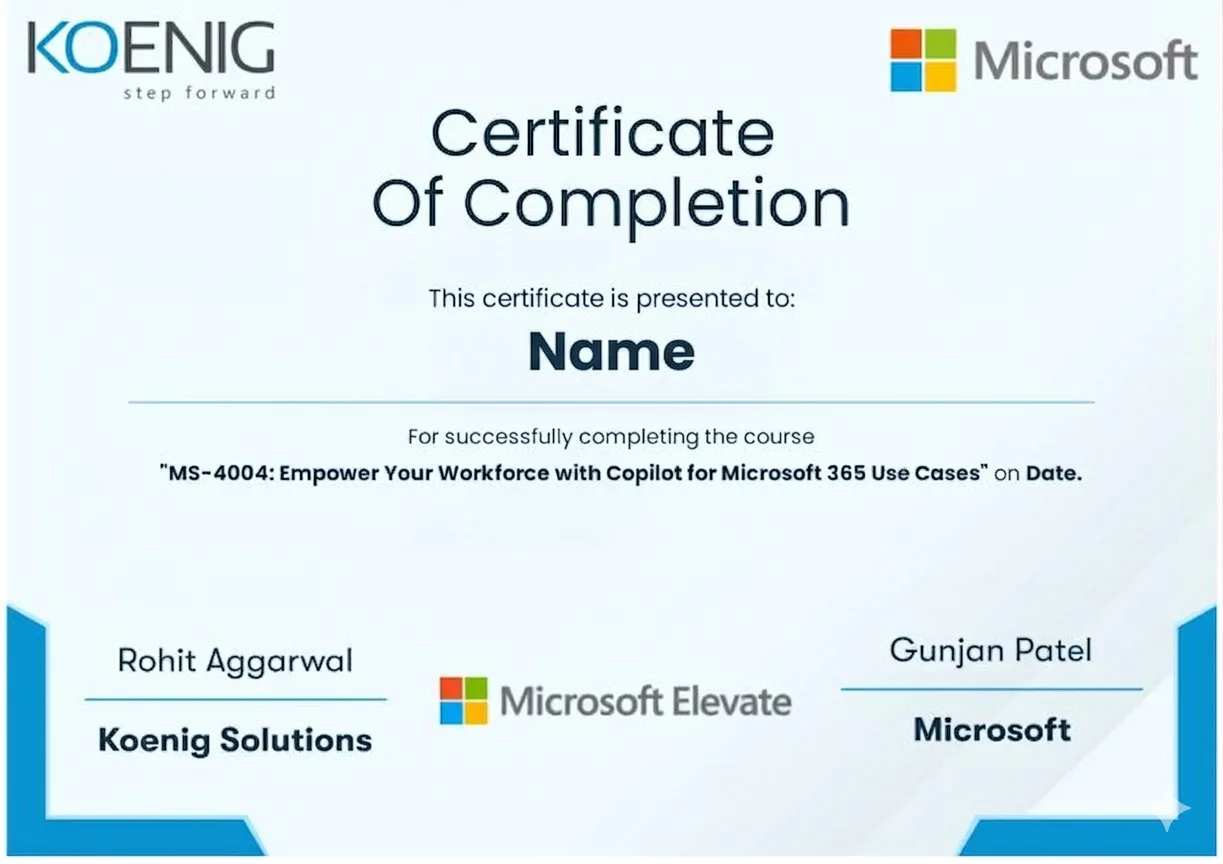
Four formats. One quality standard. Every option comes with the same expert instructors, official courseware, and money-back guarantee.
Every factor that determines whether you actually pass your Game Testing exam — rated across every training format available.
| Criteria | Koenig | ALP Provider | Legacy Provider | Self-Paced Platform | Free Platform |
|---|---|---|---|---|---|
| Trainer Quality and Credentials | |||||
| ISTQB-Certified Trainers | |||||
| Live Instructor-Led Delivery | Partial | ||||
| 1-on-1 Private Training | |||||
| ISTQB Authorisation | |||||
| Official ISTQB ALP Status | |||||
| Official ISTQB Courseware | Partial | ||||
| ESI / EA Credits Accepted | |||||
| Flexibility and Access | |||||
| Any-Day/Flexi Start | |||||
| On-Site or Fly-Me-Trainer | Partial | ||||
| Global Delivery Reach | Partial | Partial | |||
| Results and Trust | |||||
| Exam Pass Rate | 95% | N/A | N/A | N/A | N/A |
| Entry Price (Note: Instructor-Led vs. Self-Study) | ~$745 · best value | ~$1,500+ | $199 | $15-30/mo | Free |
| Verified Learner Reviews | 18,400+ · 4.9★ | Limited | Limited | N/A | N/A |
Data sourced from public pricing pages and review platforms. Accurate as of March 2026. Partial = available in select regions only.
Verified reviews from learners certified on Azure, AI, Security, and more.
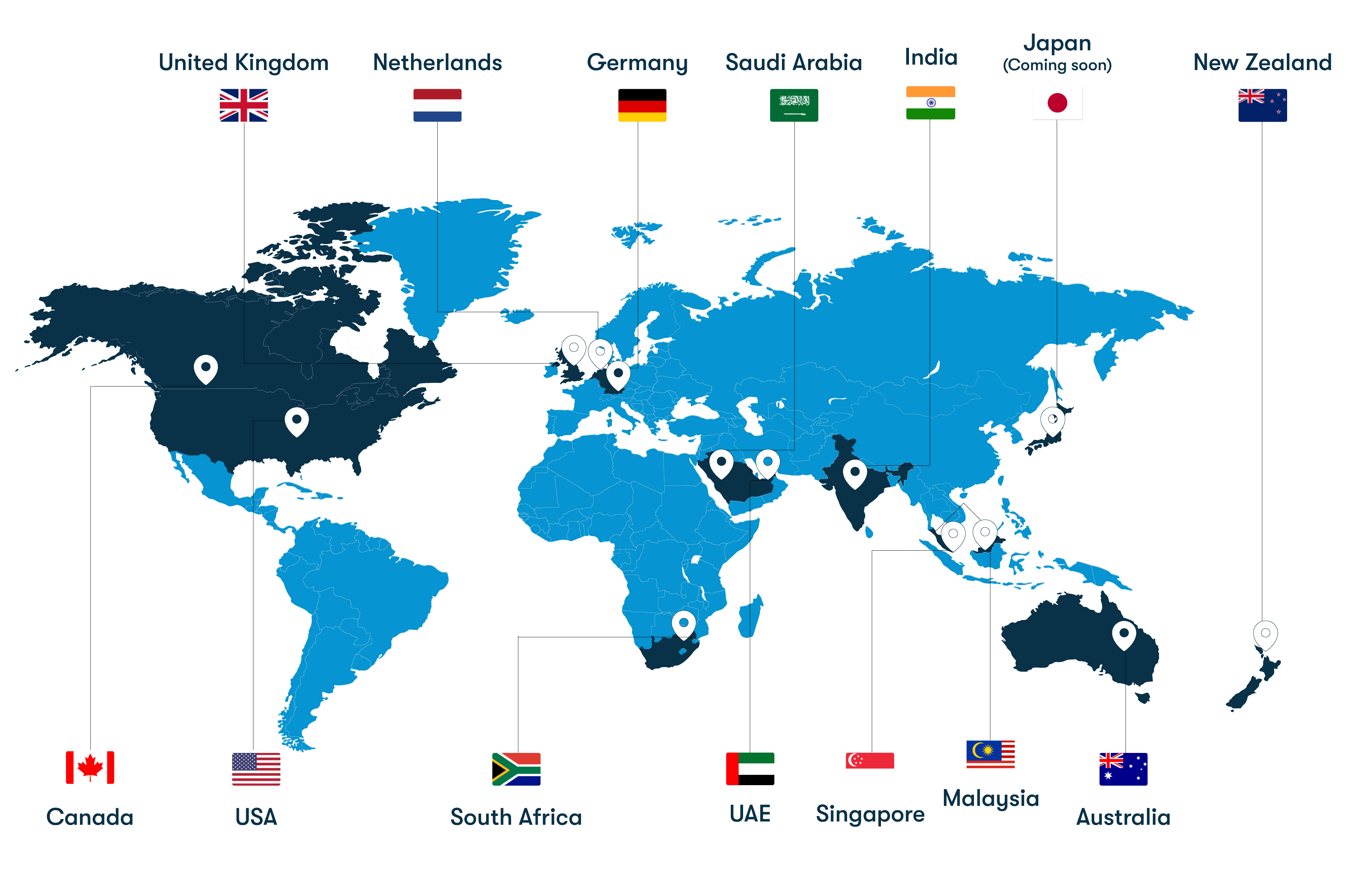
From our headquarters in India to training centers across UAE, Iraq, Saudi Arabia, UK, USA, Singapore, Australia, and more — Koenig delivers Microsoft certification training in 50+ countries.