
Unable to find what you're searching for?
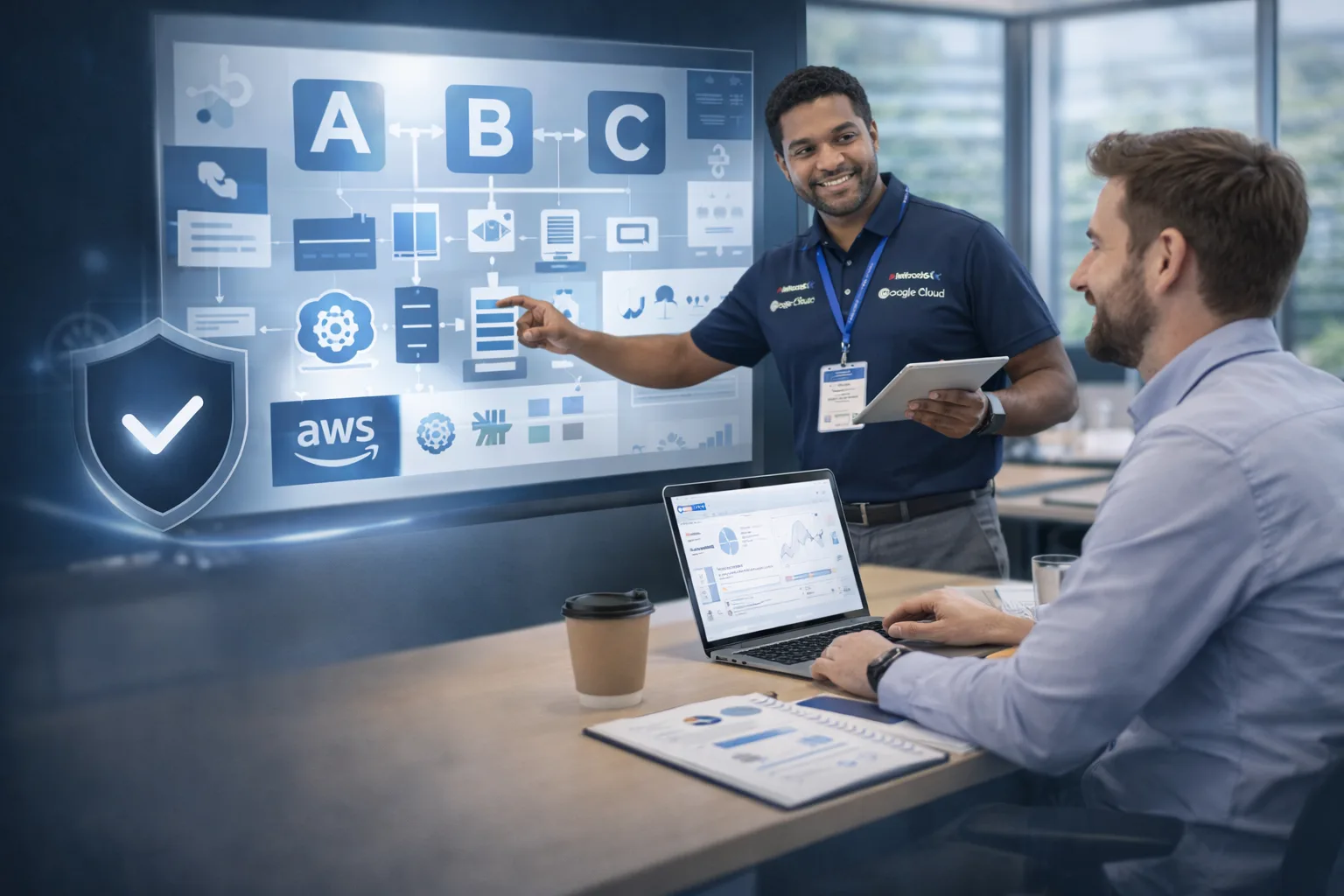
We're here to help you find itKoenig delivers expert Enterprise AI Architecture training, empowering you to build secure, scalable agentic workflows and master Google Cloud’s advanced generative AI ecosystem.
500K+ certified professionals


























Explore Enterprise AI Architecture certification and training courses — delivered live by certified instructors.
Enterprise AI Architecture is a structured framework for deploying and managing artificial intelligence at scale within organizations, published by leading technology vendors to solve the challenge of integrating AI into complex, secure, and regulated enterprise environments. It sits at the convergence of data infrastructure, application development, and governance layers in the modern IT stack. Key components include LLM for natural language understanding and generation, Vector Databases for semantic search and retrieval, AI Agents for autonomous task execution, Orchestration Frameworks to manage multi-step workflows, Knowledge Bases to ground AI in enterprise data, and Governance Tools for auditability, access control, and compliance. These components work across infrastructure, platform, and application layers to enable secure, scalable AI deployment. This technology is for enterprise architects, AI engineers, and IT leaders who must align AI initiatives with business goals, regulatory requirements, and existing technology landscapes, enabling them to design systems that are not only intelligent but also auditable, maintainable, and integrated with core enterprise functions.
Solution Architecture
Design integrated systems using business, data and technology architecture views
Cloud Concepts
Apply core cloud principles including scalability, availability and managed services
AI Strategy
Align AI initiatives with business goals using frameworks like Cloud Adoption
TOGAF Framework
Use TOGAF methodology to develop enterprise architecture roadmaps and artifacts
SAP Reference Architecture
Apply SAP Reference Business and Solution Architecture content to real scenarios
Responsible AI
Implement governance, security and compliance in AI model workflows
The building blocks every Enterprise AI Architecture solution is made of
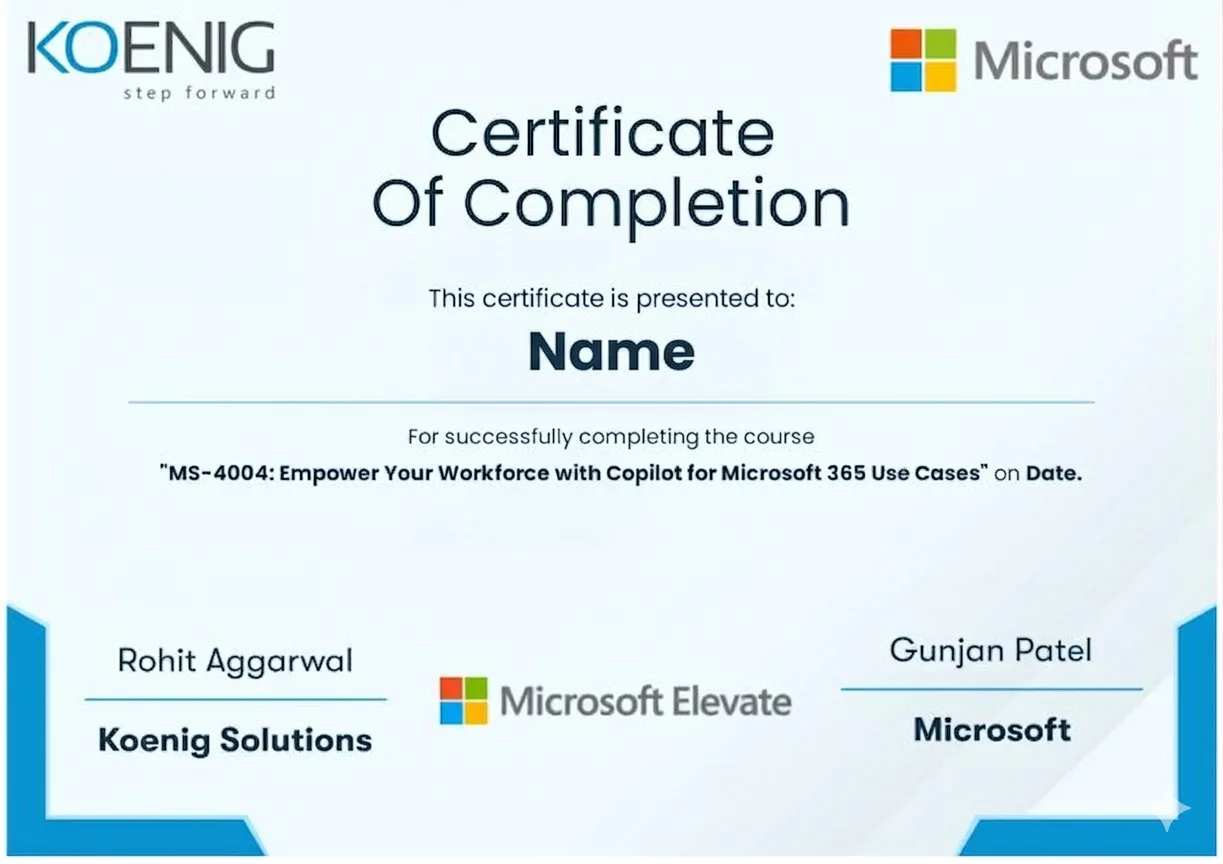
See what your official Enterprise AI Architecture certification looks like. Download a sample — then let our advisors map the fastest path to earning the real one.
 AWS-MLS-C01AWS Certified Machine Learning - Specialty
GCP-MLEGoogle Professional Machine Learning Engineer
AI-102Microsoft Certified: Azure AI Engineer Associate
NVIDIA-DLI-AINVIDIA Deep Learning Institute AI Fundamentals
OGEA-101TOGAF Enterprise Architecture Part 1
OGEA-102TOGAF Enterprise Architecture Part 2
Official credential badges — shareable on LinkedIn
AWS-MLS-C01AWS Certified Machine Learning - Specialty
GCP-MLEGoogle Professional Machine Learning Engineer
AI-102Microsoft Certified: Azure AI Engineer Associate
NVIDIA-DLI-AINVIDIA Deep Learning Institute AI Fundamentals
OGEA-101TOGAF Enterprise Architecture Part 1
OGEA-102TOGAF Enterprise Architecture Part 2
Official credential badges — shareable on LinkedIn
Four formats. One quality standard. Every option comes with the same expert instructors, official courseware, and money-back guarantee.
Every factor that determines whether you actually pass your Enterprise AI Architecture exam — rated across every training format available.
| Criteria | Koenig | ALP Provider | Legacy Provider | Self-Paced Platform | Free Platform |
|---|---|---|---|---|---|
| Trainer Expertise & Credentials | |||||
| MCT-Certified Trainers | Partial | Partial | |||
| Live Instructor-Led Classes | |||||
| 1-on-1 Private Training | |||||
| Microsoft Authorization | |||||
| Official Microsoft ALP Status | Partial | ||||
| Official MOC Courseware | Partial | ||||
| ESI / EA Credits Accepted | Partial | ||||
| Flexibility & Global Access | |||||
| Flexi / Any-Day Start | |||||
| On-Site / Fly-Me-A-Trainer | |||||
| Global Delivery (50+ countries) | Partial | Partial | |||
| Results & Proven Trust | |||||
| Exam Pass Rate | 95% · best verified | ~70-75% | Not published | Not tracked | Variable |
| Entry Price (Fundamentals) | ~$795 · best value | ~$1,500+ | ~$1,400+ | $15-30/mo | Free |
| Verified Student Reviews | 18,400+ · 4.9★ | Limited | Limited | High volume | N/A |
Data sourced from public pricing pages and review platforms. Accurate as of March 2026. Partial = available in select regions only.
Verified reviews from learners certified on Azure, AI, Security, and more.
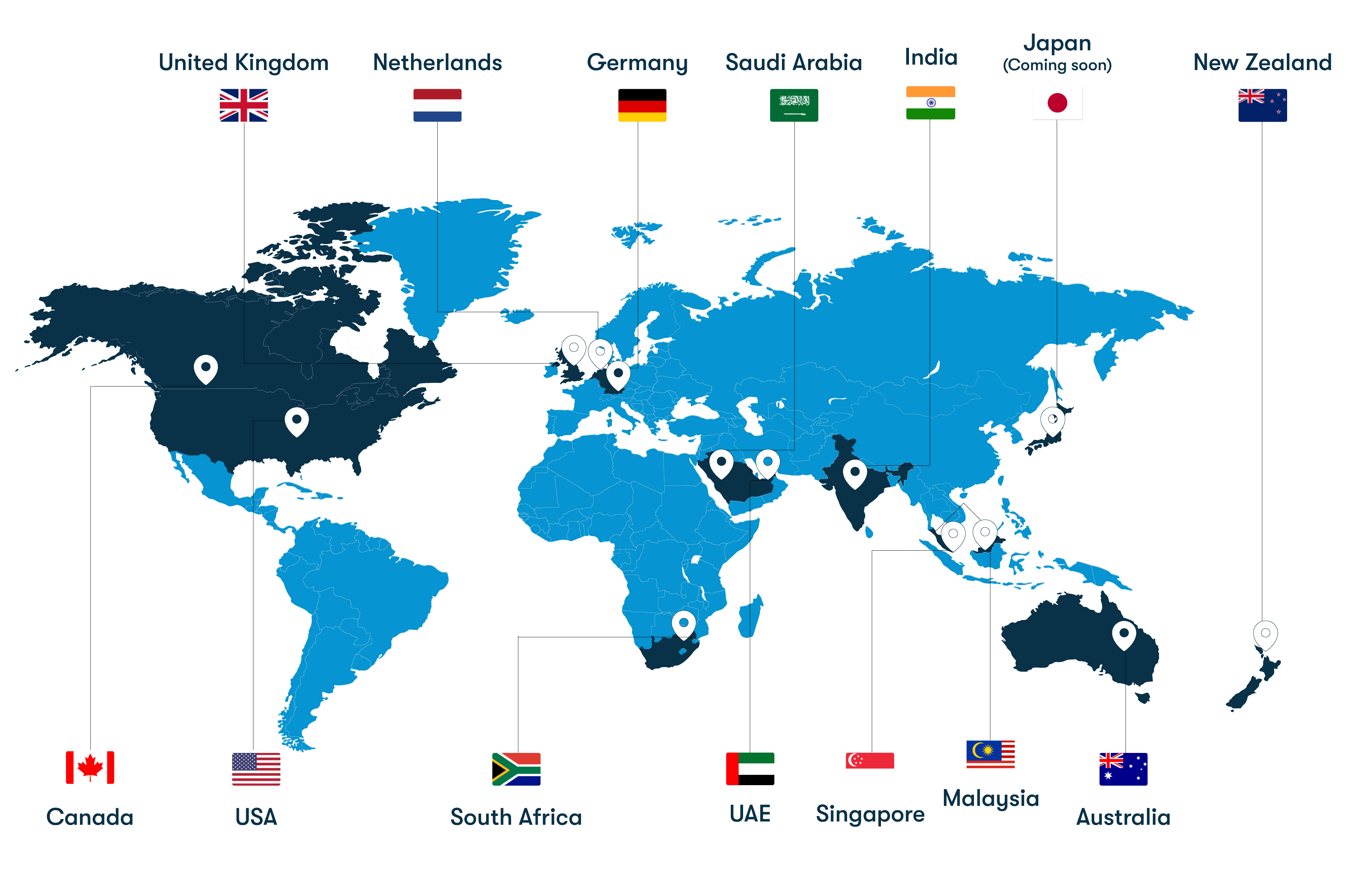
From our headquarters in India to training centers across UAE, Iraq, Saudi Arabia, UK, USA, Singapore, Australia, and more — Koenig delivers Microsoft certification training in 195+ countries.