
Unable to find what you're searching for?
We're here to help you find itSAP Digital Manufacturing streamlines production workflows and shopfloor control. Master these tools through hands-on labs to earn your professional certification and optimize manufacturing operations.


500K+ certified professionals

























Explore Digital Manufacturing certification and training courses — delivered live by certified instructors.
Digital Manufacturing by SAP transforms traditional production into intelligent, connected operations by linking planning, execution, and workforce management. As a premier manufacturing operations management solution, it provides end-to-end visibility and data-driven control across modern shop floors. Organizations typically see a 15-20% improvement in production throughput by integrating these modules. Core components include SAP Digital Manufacturing Cloud for real-time analytics, SAP Manufacturing Execution for shop floor control, and IIoT connectivity for seamless integration. This course is essential for production engineers and supply chain planners seeking to standardize processes and enhance operational efficiency through advanced virtual modeling and cross-organizational collaboration.
Manufacturing Fundamentals
Differentiate discrete and process manufacturing methods and apply them to real scenarios
SAP BTP Access
Navigate SAP Business Technology Platform cockpit and manage subaccount roles
Shop Floor Integration
Configure Production Connector and Cloud Connector for machine connectivity
Data Collection Concepts
Design data collection strategies using Manufacturing Data Objects and APIs
Automation Workflows
Build production processes using Production Process Designer and automation sequences
Security Configuration
Set up server certificates and manage user roles in Control Center
The building blocks every Digital Manufacturing solution is made of
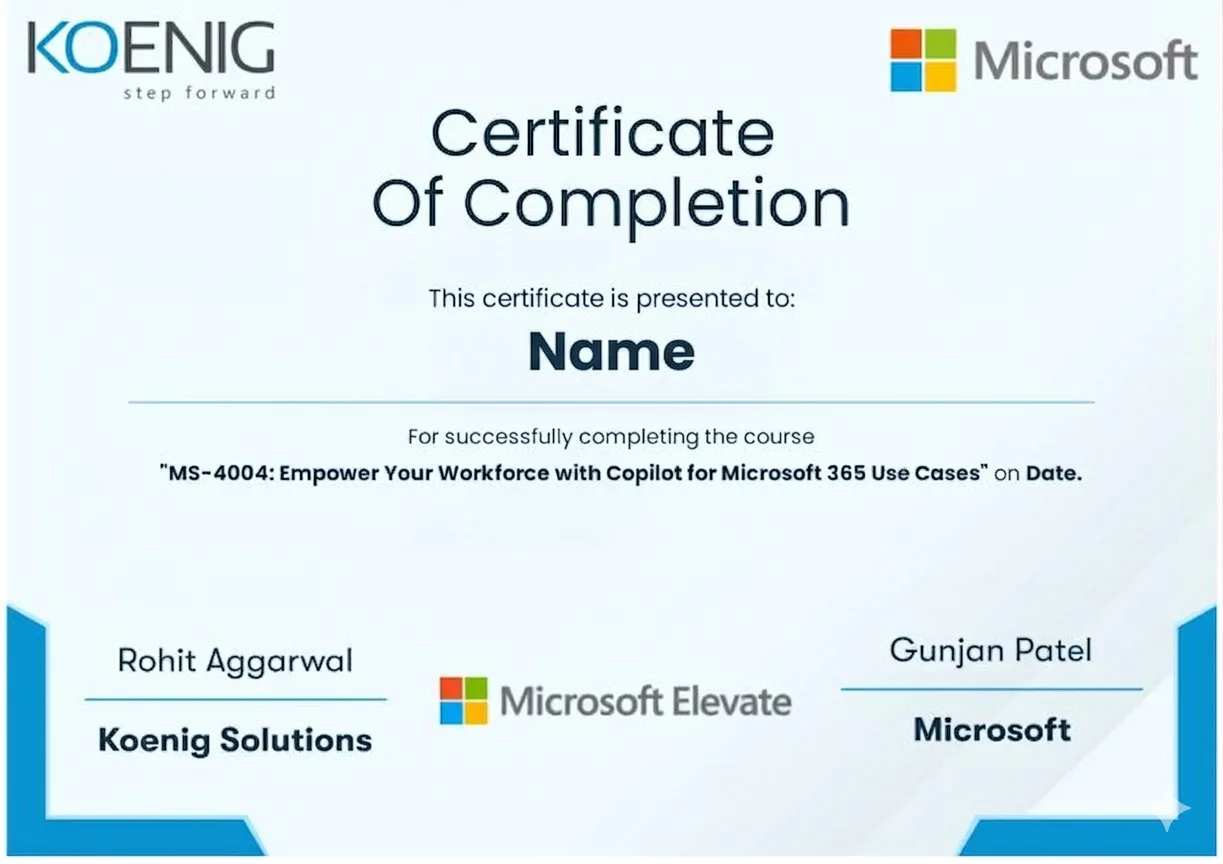
See what your official Digital Manufacturing certification looks like. Download a sample — then let our advisors map the fastest path to earning the real one.
 Additive Manufacturing AssociateAdditive Manufacturing
NX CAM Manufacturing AssociateNX CAM Manufacturing
Opcenter Execution Core AssociateOpcenter Execution Core
Process Simulate Standalone AssociateProcess Simulate Standalone
Simcenter 3D CAE AssociateSimcenter 3D CAE
Teamcenter Manufacturing AssociateTeamcenter Manufacturing
Official credential badges — shareable on LinkedIn
Additive Manufacturing AssociateAdditive Manufacturing
NX CAM Manufacturing AssociateNX CAM Manufacturing
Opcenter Execution Core AssociateOpcenter Execution Core
Process Simulate Standalone AssociateProcess Simulate Standalone
Simcenter 3D CAE AssociateSimcenter 3D CAE
Teamcenter Manufacturing AssociateTeamcenter Manufacturing
Official credential badges — shareable on LinkedIn
Four formats. One quality standard. Every option comes with the same expert instructors, official courseware, and money-back guarantee.
Every factor that determines whether you actually pass your Digital Manufacturing exam — rated across every training format available.
| Criteria | Koenig | ALP Provider | Legacy Provider | Self-Paced Platform | Free Platform |
|---|---|---|---|---|---|
| Trainer Quality & Credentials | |||||
| Dassault Systèmes Certified Instructor | ✘ | ✘ | ✘ | ||
| Live Instructor-Led Delivery | Partial | ✘ | ✘ | ||
| 1-on-1 Private Training | Partial | ✘ | ✘ | ✘ | |
| Dassault Systèmes Authorization | |||||
| Official Dassault Systèmes ALP Status | ✘ | ✘ | ✘ | ||
| Official Dassault Systèmes Courseware | Partial | ✘ | |||
| Dassault Systèmes Training Credits Accepted | ✘ | ✘ | |||
| Flexibility & Access | |||||
| Any-Day/Flexi Start | Partial | ✘ | |||
| On-Site or Fly-Me-a-Trainer | Partial | ✘ | ✘ | ✘ | |
| Global Delivery Reach | Partial | ✘ | |||
| Results & Trust | |||||
| Hands-on Lab Hours | 40+ Hours | 20-30 Hours | Limited | Variable | |
| Entry Price (Fundamentals) | ~$745 · best value | ~$1,500+ | Limited | $15-30/mo | Free |
| Verified Learner Reviews | 18,400+ · 4.9★ | Limited | Limited | N/A | N/A |
Data sourced from public pricing pages and review platforms. Accurate as of March 2026. Partial = available in select regions only.
Verified reviews from learners certified on Azure, AI, Security, and more.
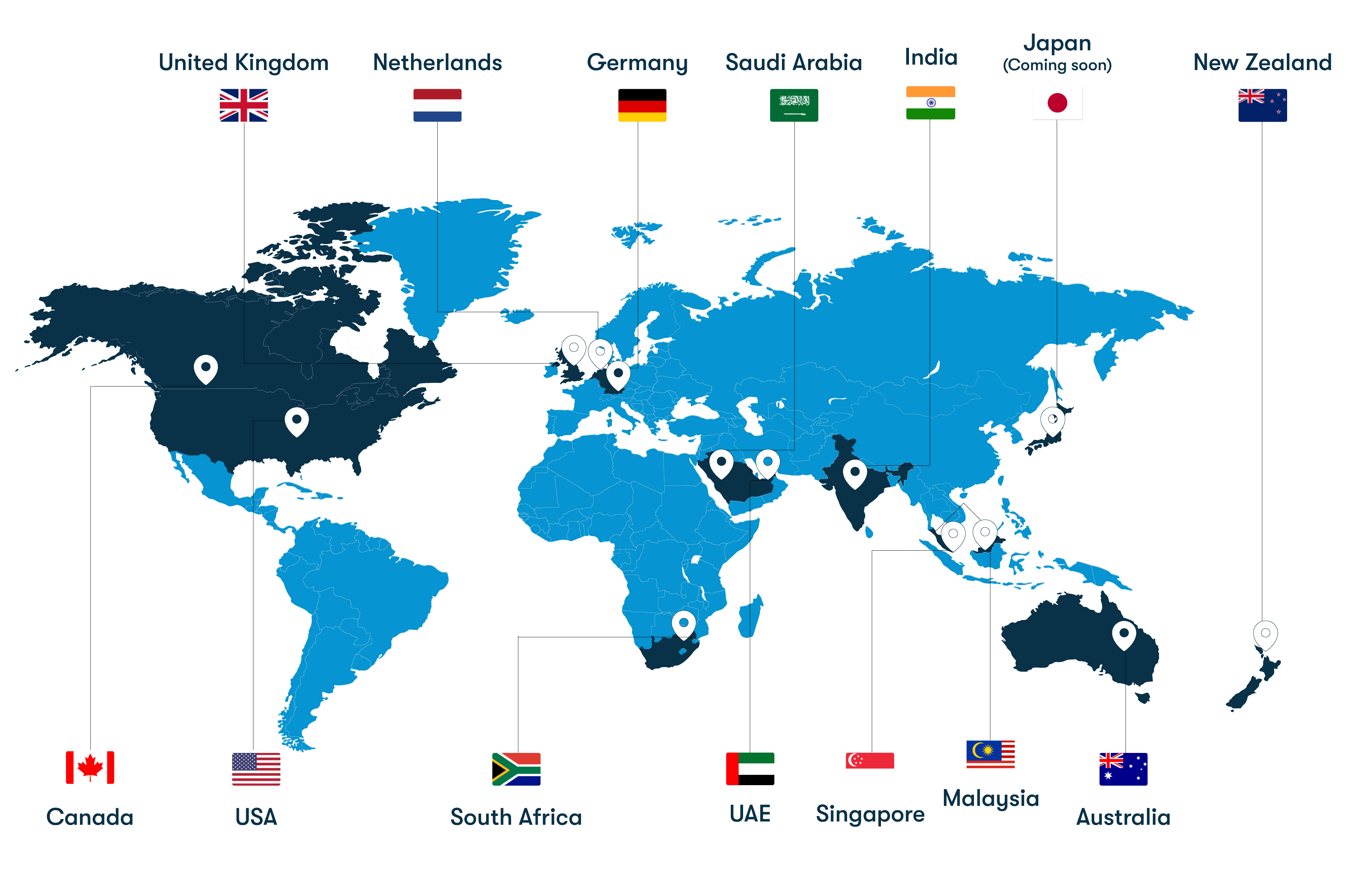
From our headquarters in India to training centers across UAE, Iraq, Saudi Arabia, UK, USA, Singapore, Australia, and more — Koenig delivers Microsoft certification training in 50+ countries.