
Unable to find what you're searching for?
We're here to help you find itMaster secure e-banking, automate workflows, and implement compliance using Finacle, Temenos, and Avaloq. Koenig provides expert-led training and hands-on projects to prepare you for global Banking certifications.


500K+ certified professionals





















Explore Banking certification and training courses — delivered live by certified instructors.
Banking is a financial services domain focused on managing money, credit, and transactions through regulated institutions, addressing the need for secure, efficient, and compliant financial operations. It sits at the core of global economic infrastructure, integrating with technology systems to support digital transformation, regulatory adherence, and customer-centric service delivery. Key components include Digital Banking Platforms, which enable online and mobile banking services; Open Banking APIs, allowing secure third-party access to financial data; ISO 20022 Messaging, standardizing global payment communications; SWIFT Integration, facilitating cross-border transactions; Core Banking Migration, modernizing legacy systems; and Payment Systems Architecture, supporting real-time and digital payment infrastructures. This technology is for banking professionals, fintech developers, compliance officers, and IT architects who require a deep understanding of financial systems, regulatory frameworks, and digital transformation strategies to design, implement, and manage secure and scalable banking solutions.
Technology Essentials
Understand AI, cloud computing, blockchain and cybersecurity fundamentals in banking
Banking Fundamentals
Explain retail, commercial and corporate banking products and operations
Risk Management
Identify credit, market, operational and regulatory risks in financial institutions
Regulatory Compliance
Apply Basel III standards and Hong Kong banking regulatory requirements
Data Analytics
Use machine learning and big data tools for banking applications
Fintech Tools
Deploy cloud platforms and blockchain solutions in banking environments
The building blocks every Banking solution is made of
See what your official Banking certification looks like. Download a sample — then let our advisors map the fastest path to earning the real one.
 CB Stage IHKIB-accredited Certified Banker (CB) Stage I
CB Stage IIHKIB-accredited Certified Banker (CB) Stage II
CBHKIB-accredited Certified Banker (CB)
ECF Credit ManagementHKIB-accredited ECF Credit Management
ECF AML/CFTHKIB-accredited Anti-Money Laundering and Counter-Financing of Terrorism
ECF CybersecurityHKIB-accredited Cybersecurity
Official credential badges — shareable on LinkedIn
CB Stage IHKIB-accredited Certified Banker (CB) Stage I
CB Stage IIHKIB-accredited Certified Banker (CB) Stage II
CBHKIB-accredited Certified Banker (CB)
ECF Credit ManagementHKIB-accredited ECF Credit Management
ECF AML/CFTHKIB-accredited Anti-Money Laundering and Counter-Financing of Terrorism
ECF CybersecurityHKIB-accredited Cybersecurity
Official credential badges — shareable on LinkedIn
Four formats. One quality standard. Every option comes with the same expert instructors, official courseware, and money-back guarantee.
Every factor that determines whether you actually pass your Banking exam — rated across every training format available.
| Criteria | Koenig | Free Platform | Self-Paced Platform | ALP Provider | Legacy Provider | Note |
|---|---|---|---|---|---|---|
| Trainer Expertise | ||||||
| ACAMS-Certified Instructors | ✖ | ✖ | ✖ | — | ||
| Live Instructor-Led | ✖ | Partial | — | |||
| 1-on-1 Private Training | ✖ | ✖ | ✖ | ✖ | — | |
| ACAMS Authorization | ||||||
| Official ACAMS Partner | ✖ | ✖ | — | |||
| Official Courseware | Partial | — | ||||
| ACAMS Credits Accepted | ✖ | ✖ | — | |||
| Access & Flexibility | ||||||
| Any-Day/Flexi Start | ✖ | ✖ | — | |||
| On-Site Delivery | ✖ | ✖ | Partial | ✖ | — | |
| Global Delivery Reach | Partial | — | ||||
| Results & Trust | ||||||
| Exam Pass Rate | N/A | N/A | N/A | N/A | N/A | Row omitted: ACAMS does not publish official pass rates |
| Total Cost of Prep | $745 | $0 (Public Forums) | $0 (Open-Source) | $1,500+ | $360/yr | — |
| Learner Reviews | 18,400+ · 4.9★ | N/A | N/A | Limited | N/A | — |
Data sourced from public pricing pages and review platforms. Accurate as of March 2026. Partial = available in select regions only.
Verified reviews from learners certified on Azure, AI, Security, and more.
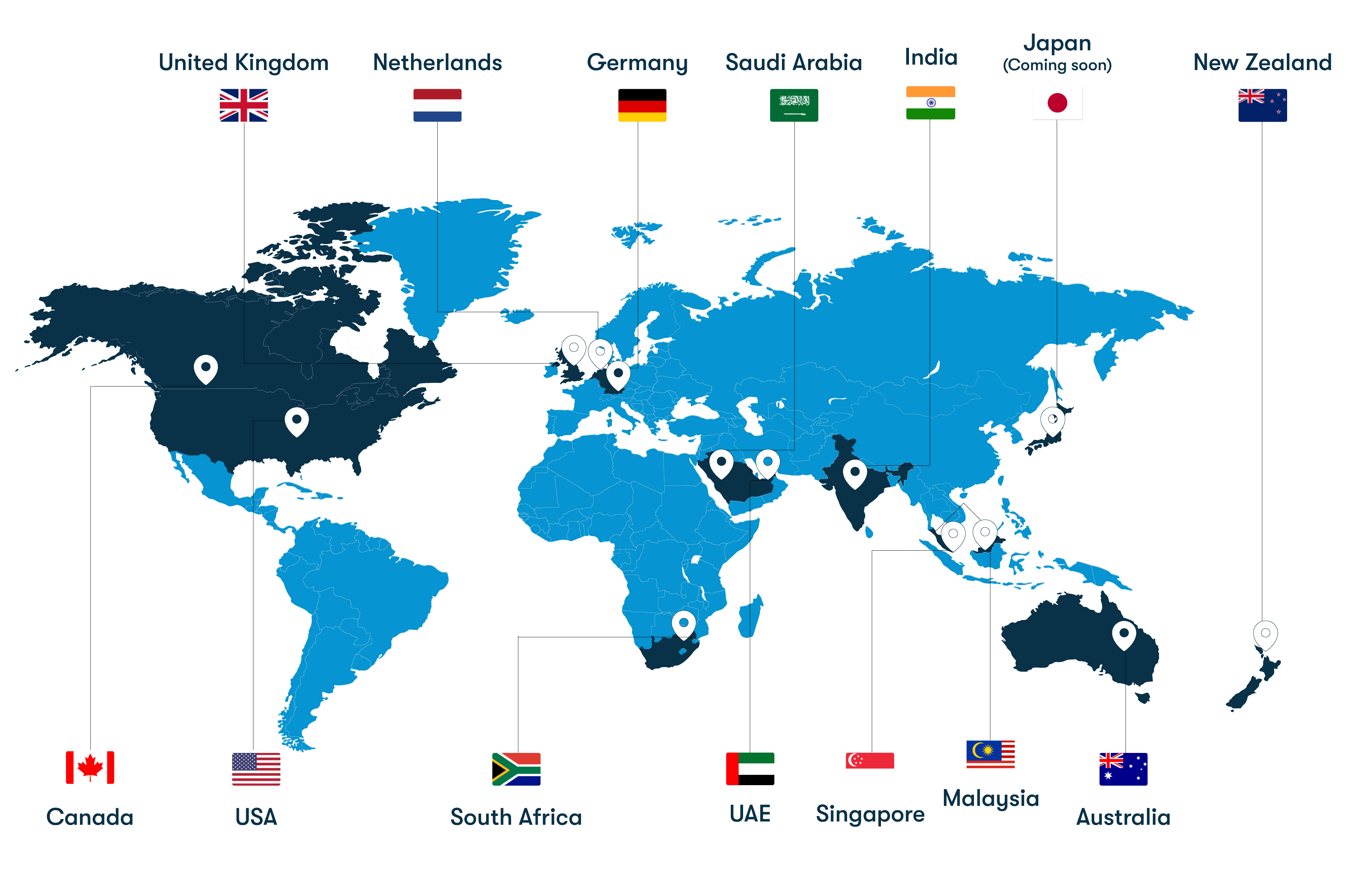
From our headquarters in India to training centers across UAE, Iraq, Saudi Arabia, UK, USA, Singapore, Australia, and more — Koenig delivers Microsoft certification training in 50+ countries.