
Unable to find what you're searching for?
We're here to help you find itKoenig AI Governance empowers professionals to design frameworks and implement risk controls aligned with ISO/IEC 42001 and NIST standards through expert-led, hands-on certification training.


500K+ certified professionals



























Explore AI Governance certification and training courses — delivered live by certified instructors.
Databricks AI Governance provides a comprehensive framework for managing artificial intelligence systems responsibly, ensuring safety, compliance, and cost control. It integrates with the Databricks Data Intelligence Platform to govern models, functions, and runtime interactions. Built to align with industry standards like the NIST AI RMF and EU AI Act, this solution manages thousands of concurrent model requests while reducing compliance audit time by up to 50 percent. Using Unity Catalog and Unity Gateway, teams enforce attribute-based access control, manage budgets, and implement guardrails to block PII exposure. Databricks AI Governance is essential for data stewards and platform teams requiring centralized oversight, consistent policy enforcement, and full accountability across all internal and third-party AI deployments.
AI Fundamentals
Identify types of AI and their unique governance challenges
Risk Management
Apply risk frameworks to AI systems across the lifecycle
Privacy Laws
Understand how data privacy regulations apply to AI
AI Frameworks
Use NIST AI RMF, ISO 42001 and OECD principles
Governance Policies
Create policies for AI development and deployment oversight
Compliance Monitoring
Conduct impact assessments and ongoing AI system monitoring
The building blocks every AI Governance solution is made of
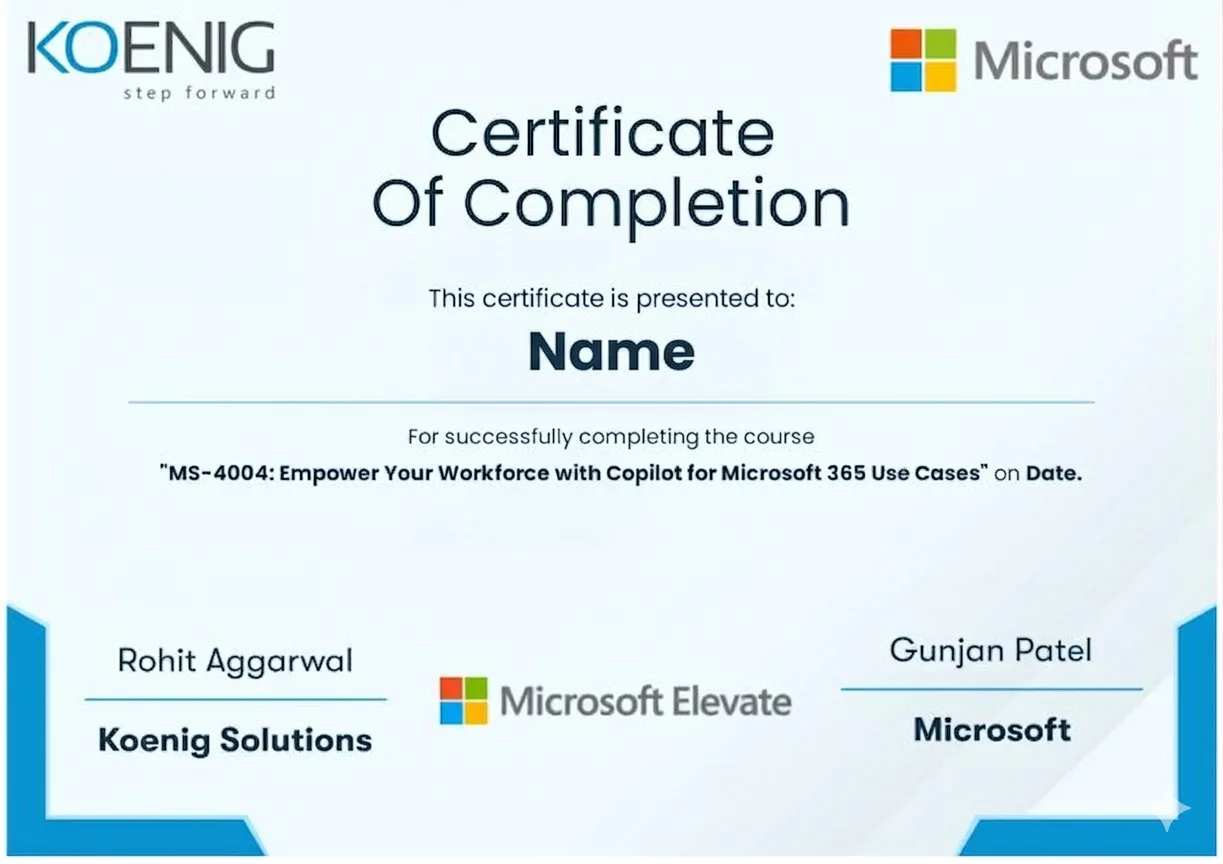
See what your official AI Governance certification looks like. Download a sample — then let our advisors map the fastest path to earning the real one.
 Official credential badges — shareable on LinkedIn
Four formats. One quality standard. Every option comes with the same expert instructors, official courseware, and money-back guarantee.
Every factor that determines whether you actually pass your AI Governance exam — rated across every training format available.
| Criteria | Koenig | ALP Provider | Legacy Provider | Self-Paced Platform | Free Platform |
|---|---|---|---|---|---|
| Trainer Expertise and Credentials | |||||
| MCT-Certified Trainers | |||||
| Live instructor-led delivery | Partial | ||||
| 1-on-1 private training | |||||
| IAPP Official Training Status | |||||
| Official IAPP ALP Status | |||||
| IAPP Official Courseware | Partial | ||||
| IAPP Training Credits Accepted | |||||
| Flexibility and Global Access | |||||
| Any-day/flexi start | |||||
| On-site/fly-me-a-trainer | |||||
| Global delivery reach | Partial | ||||
| Results and Market Trust | |||||
| Entry price: AIGP fundamentals | ~$745 · best value | ~$1,500+ | $15-30/mo | Free | Free |
| Verified learner reviews | 18,400+ · 4.9★ | Limited | N/A | N/A | N/A |
Data sourced from public pricing pages and review platforms. Accurate as of March 2026. Partial = available in select regions only.
Verified reviews from learners certified on Azure, AI, Security, and more.
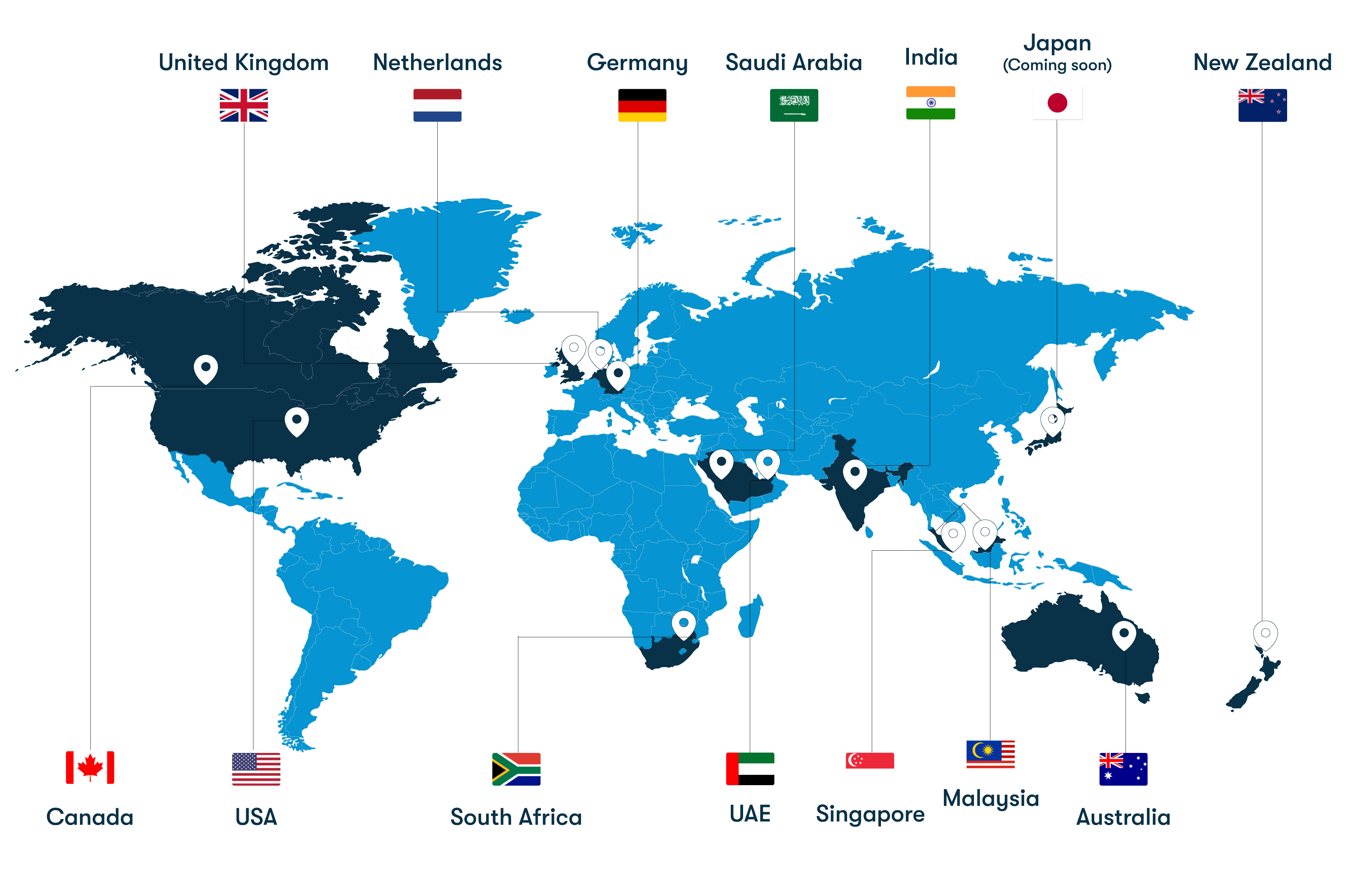
From our headquarters in India to training centers across UAE, Iraq, Saudi Arabia, UK, USA, Singapore, Australia, and more — Koenig delivers Microsoft certification training in 50+ countries.