
Unable to find what you're searching for?
We're here to help you find itMaster generative AI and Azure services with Koenig. Our expert-led training prepares you for the Microsoft Certified: Azure AI Engineer Associate certification through hands-on labs.


500K+ certified professionals


























Explore AI Engineering certification and training courses — delivered live by certified instructors.
AI Engineering is a systematic discipline for designing, developing, and operating reliable AI systems. This course explores the NVIDIA-specific implementation of this field, utilizing its full-stack platform to transition models from prototype to production. By leveraging tools like NVIDIA NIM, Triton Inference Server, and TensorRT, teams can streamline workflows, reducing deployment latency by up to 3x. This curriculum is essential for data scientists and engineers who require production-grade tools to manage and scale AI workloads across cloud, data center, and edge environments. Master the practical application of AI Engineering to achieve high-performance, scalable, and reliable enterprise AI deployments.
Core AI Concepts
Define AI, ML, deep learning, LLMs and generative AI
Cloud Infrastructure
Use core cloud services like compute, storage and networking
Programming with Python
Develop applications using Python for AI workflows
Security and Access
Apply IAM roles, policies and encryption for AI systems
Data Management
Handle structured, unstructured and labeled data securely
Model Deployment
Deploy and monitor models using CI/CD and APIs
The building blocks every AI Engineering solution is made of
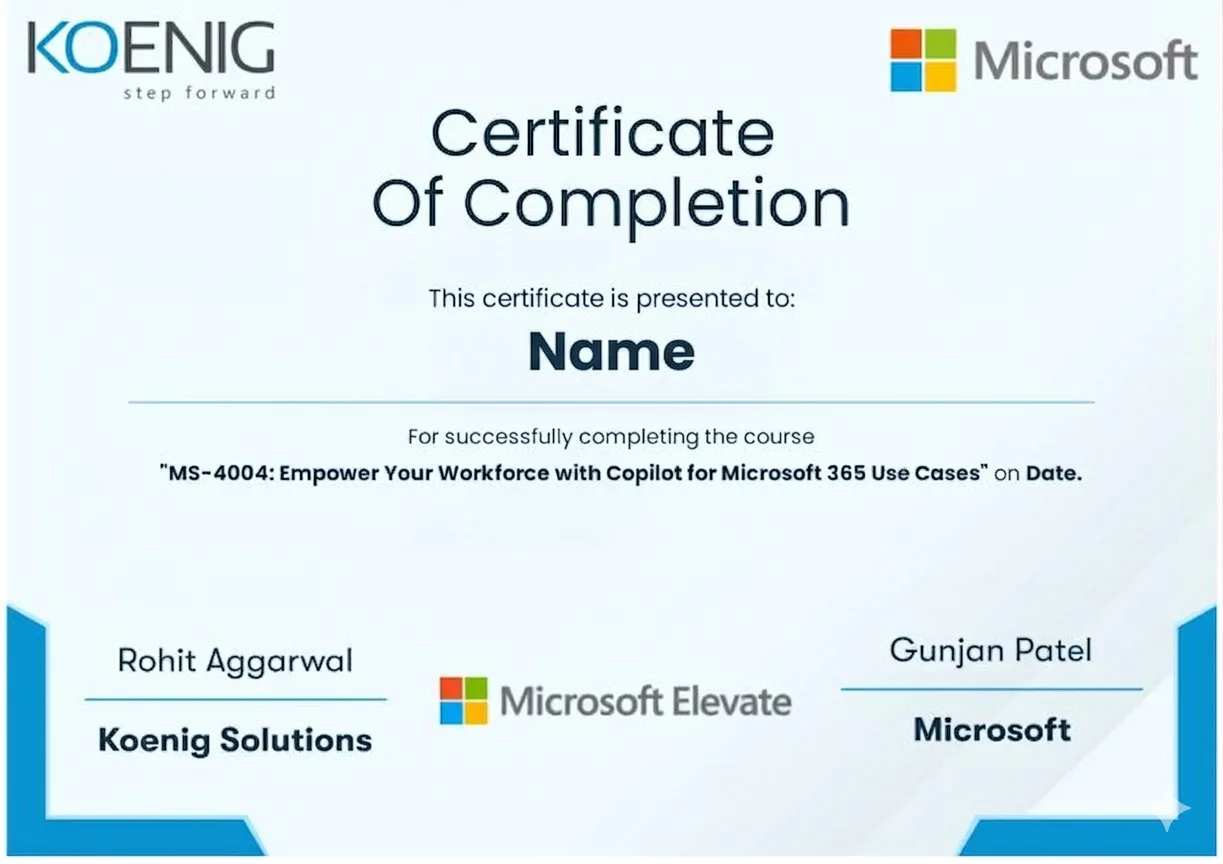
See what your official AI Engineering certification looks like. Download a sample — then let our advisors map the fastest path to earning the real one.
 AIP-C01Generative AI Developer
C1000-185IBM watsonx Generative AI Engineer
AI-900Microsoft Azure AI Fundamentals
GCP-MLEGoogle Cloud Professional Machine Learning Engineer
AWS-ML-SAWS Certified Machine Learning - Specialty
AI-102Microsoft Azure AI Engineer Associate
Official credential badges — shareable on LinkedIn
AIP-C01Generative AI Developer
C1000-185IBM watsonx Generative AI Engineer
AI-900Microsoft Azure AI Fundamentals
GCP-MLEGoogle Cloud Professional Machine Learning Engineer
AWS-ML-SAWS Certified Machine Learning - Specialty
AI-102Microsoft Azure AI Engineer Associate
Official credential badges — shareable on LinkedIn
Four formats. One quality standard. Every option comes with the same expert instructors, official courseware, and money-back guarantee.
Every factor that determines whether you actually pass your AI Engineering exam — rated across every training format available.
| Criteria | Koenig | ALP Provider | Legacy Provider | Self-Paced Platform | Free Platform |
|---|---|---|---|---|---|
| Trainer Quality & Credentials | |||||
| MCT-Certified Trainers | Partial | Partial | |||
| Live Instructor-Led Classes | |||||
| 1-on-1 Private Training | |||||
| Microsoft Authorisation | |||||
| Official Microsoft ALP Status | Partial | ||||
| Official MOC Courseware | Partial | ||||
| ESI / EA Credits Accepted | Partial | ||||
| Flexibility & Access | |||||
| Flexi / Any-Day Start | |||||
| On-Site / Fly-Me-A-Trainer | |||||
| Global Delivery (50+ countries) | Partial | Partial | |||
| Results & Trust | |||||
| Exam Pass Rate | 95% | ~70–75% | Not published | Not tracked | Variable |
| Entry Price (Disclaimer: Price reflects difference between guided instruction and self-study) | ~$745 | ~$1,500+ | ~$1,400+ | $15-30/mo | Free |
| Verified Student Reviews | 18,400+ · 4.9★ | Limited | Limited | High volume | N/A |
Data sourced from public pricing pages and review platforms. Accurate as of March 2026. Partial = available in select regions only.
Verified reviews from learners certified on Azure, AI, Security, and more.
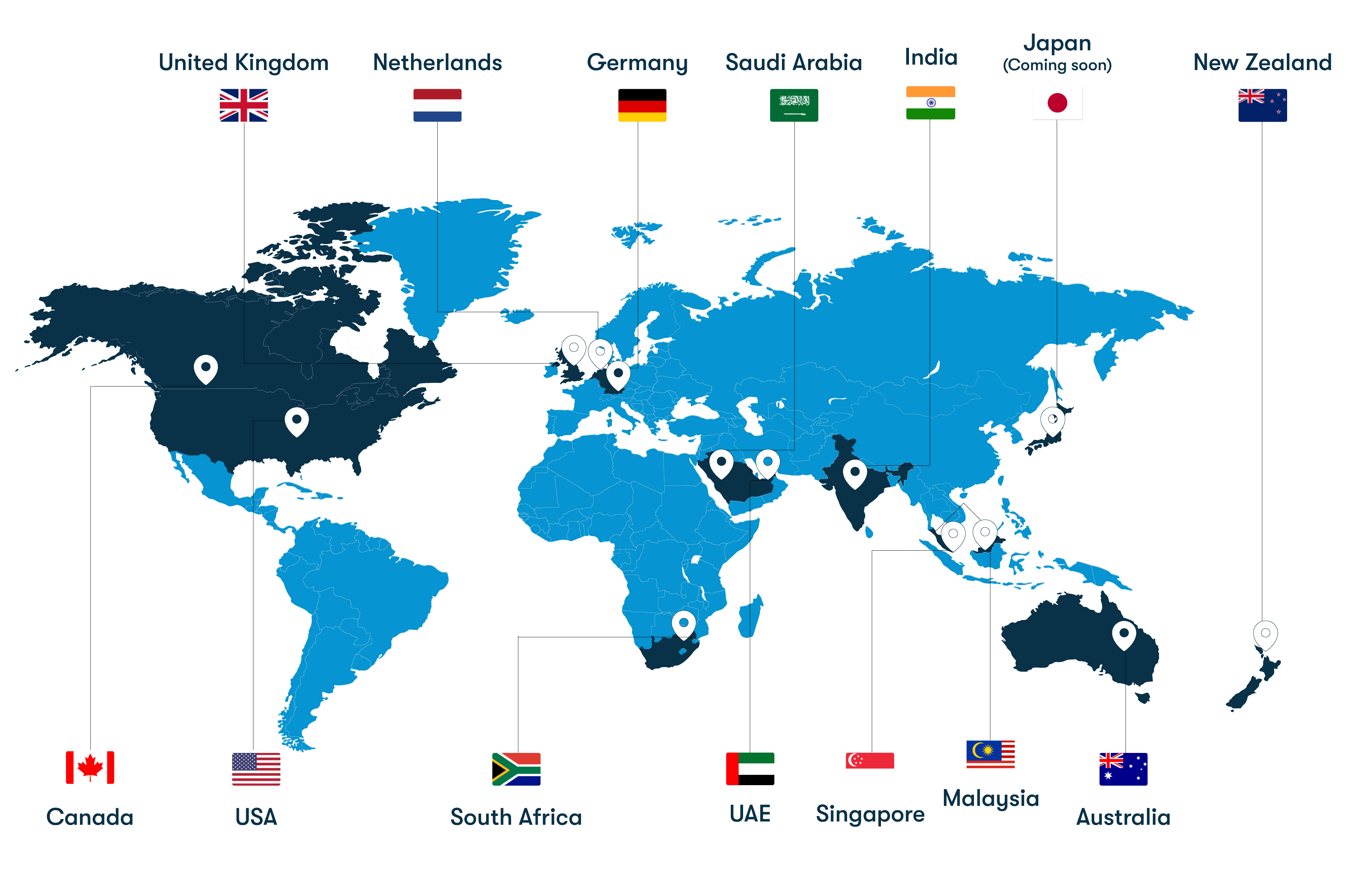
From our headquarters in India to training centers across UAE, Iraq, Saudi Arabia, UK, USA, Singapore, Australia, and more — Koenig delivers Microsoft certification training in 50+ countries.