
Unable to find what you're searching for?
We're here to help you find itMaster CNC turning workflows in Fusion 360 with Koenig. Our expert-led CAM for Turning training prepares you for certification through hands-on, industry-focused projects.


500K+ certified professionals

























Explore CAM for Turning certification and training courses — delivered live by certified instructors.
Master CAM for Turning with our expert-led curriculum. As an Authorized Training Partner for Mastercam, we provide industry-standard instruction on automating CNC lathe programming. This course covers 2 and 4 axis turning, feature recognition, and high-efficiency material removal strategies to optimize your manufacturing workflows. Designed for machinists and engineers, the program ensures you master complex geometries and multi-spindle operations. Complete this training in 30 hours to earn your official Mastercam Professional Certification. Enroll today to improve part quality, reduce cycle times, and gain the technical expertise required for precision production in modern high-mix environments.
Autodesk Fusion 360 Navigation
Navigate the interface and transition between environments in Autodesk Fusion 360
Sketching Fundamentals
Create fully constrained sketches and basic part features like extrude and revolve
Blueprint Interpretation
Interpret engineering drawings and identify GD&T symbols and their meanings
CAM Setup
Create a CAM setup including machine, stock, and work coordinate system
Tool Library Management
Create and manage a tool library with cutting data and tool compensation
CNC Machine Fundamentals
Access to a Windows or macOS workstation meeting Autodesk system requirements and a foundational understanding of lathe kinematics
The building blocks every CAM for Turning solution is made of
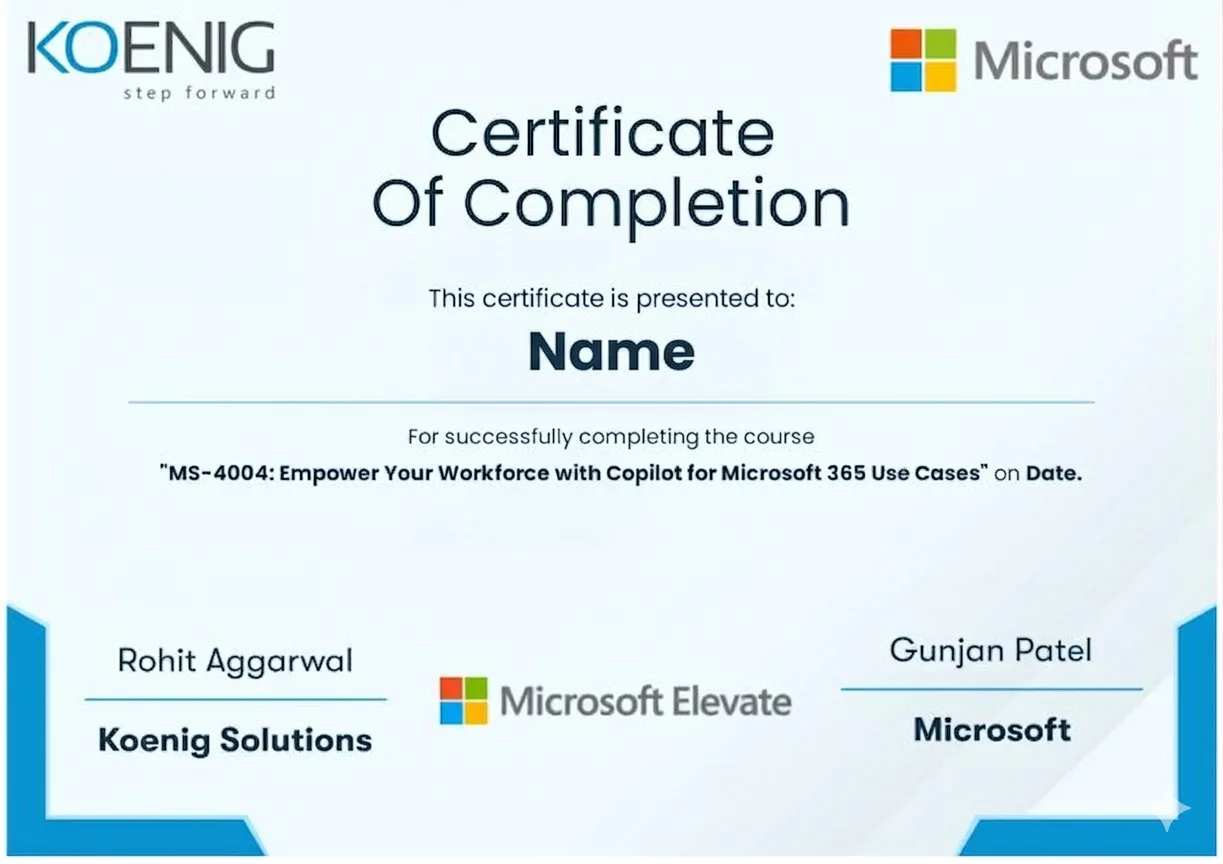
See what your official CAM for Turning certification looks like. Download a sample — then let our advisors map the fastest path to earning the real one.
 ACP-CAM-TAutodesk Certified Professional: CAM for Turning
MC-APMastercam Associate Programmer
SNX-CAM-TSiemens NX CAM Turning Specialist
SC-CTSolidCAM Certified Turning Professional
DS-CATIA-TDassault Systèmes CATIA Turning Programmer
PTC-CREO-TPTC Creo Manufacturing Turning Certification
Official credential badges — shareable on LinkedIn
ACP-CAM-TAutodesk Certified Professional: CAM for Turning
MC-APMastercam Associate Programmer
SNX-CAM-TSiemens NX CAM Turning Specialist
SC-CTSolidCAM Certified Turning Professional
DS-CATIA-TDassault Systèmes CATIA Turning Programmer
PTC-CREO-TPTC Creo Manufacturing Turning Certification
Official credential badges — shareable on LinkedIn
Four formats. One quality standard. Every option comes with the same expert instructors, official courseware, and money-back guarantee.
Every factor that determines whether you actually pass your CAM for Turning exam — rated across every training format available.
| Criteria | Koenig | Free Platform | Self-Paced Platform | Legacy Provider | Authorized Learning Partner | Note |
|---|---|---|---|---|---|---|
| Trainer expertise and certification | ||||||
| MCT-Certified Trainers | ✘ | ✘ | ✘ | — | ||
| Live instructor-led training | ✘ | ✘ | — | |||
| 1-on-1 private instruction | ✘ | ✘ | Partial | Partial | — | |
| Siemens Xcelerator Academy standards | ||||||
| Official ALP Status | ✘ | ✘ | ✘ | — | ||
| Official courseware usage | ✘ | Partial | — | |||
| ESI / EA Credits Accepted | ✘ | ✘ | ✘ | — | ||
| Flexibility and global reach | ||||||
| Flexible start dates | ✘ | — | ||||
| On-site training options | ✘ | ✘ | Partial | Partial | — | |
| Global delivery capabilities | ✘ | Partial | — | |||
| Performance and value metrics | ||||||
| Certification Support | Exam Prep Included | Not Included | Not Included | Not Included | Support varies by provider | |
| Entry price | ~$745 · best value | Free | Free | Market Variable | ~$1,500+ | — |
| Verified learner reviews | 18,400+ · 4.9★ | N/A | N/A | Limited | Limited | Data unverified for this provider |
Data sourced from public pricing pages and review platforms. Accurate as of March 2026. Partial = available in select regions only.
Verified reviews from learners certified on Azure, AI, Security, and more.
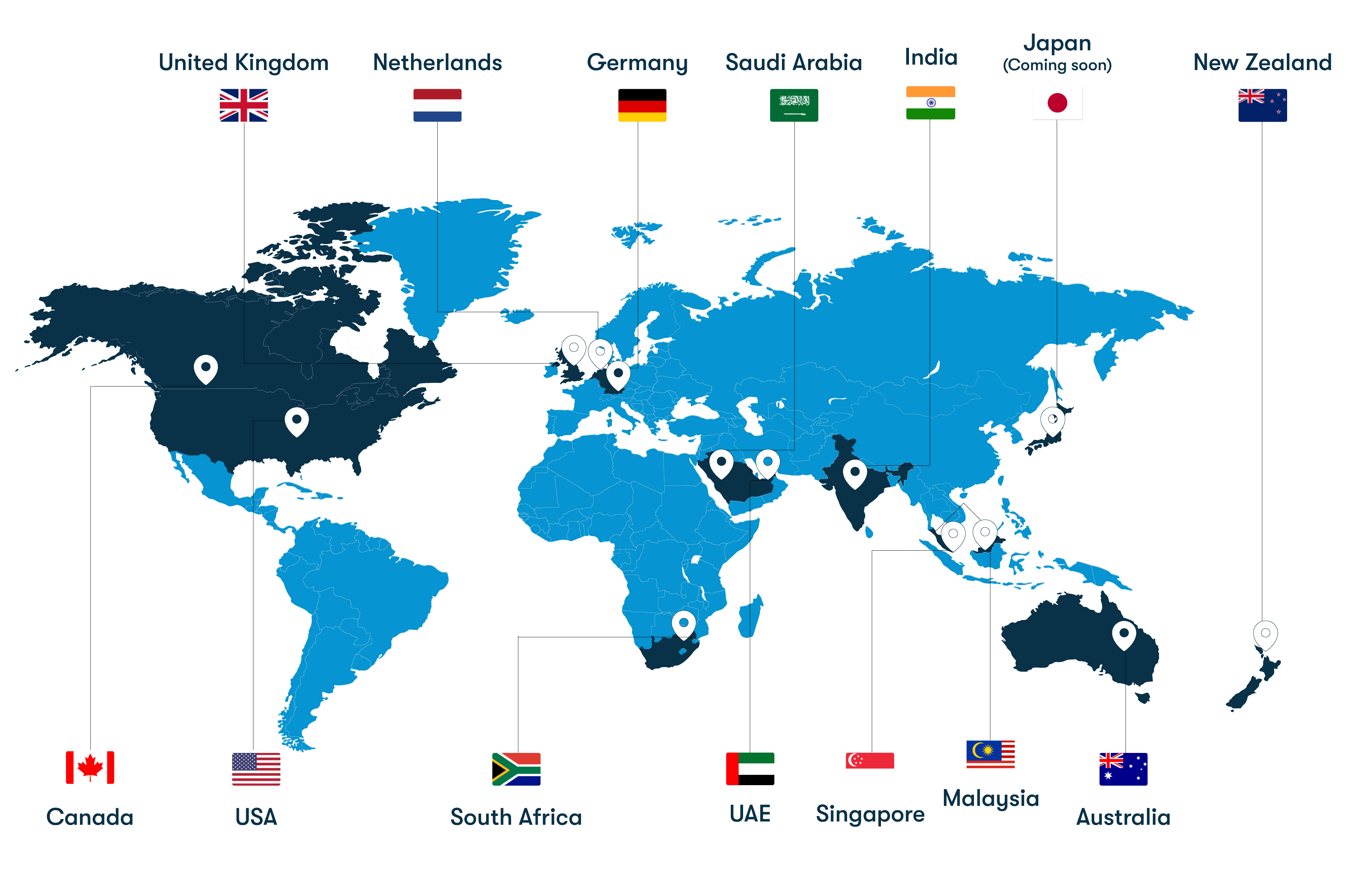
From our headquarters in India to training centers across UAE, Iraq, Saudi Arabia, UK, USA, Singapore, Australia, and more — Koenig delivers Microsoft certification training in 50+ countries.