
Unable to find what you're searching for?
We're here to help you find itMaster Siemens Process Simulate to design robotic paths, automate workflows, and configure offline programming. Gain hands-on expertise for the Robotics Simulation Engineer certification with Koenig.


500K+ certified professionals


























Explore Robotics Simulation certification and training courses — delivered live by certified instructors.
Robotics Simulation is a digital engineering technology developed by industrial automation leaders such as ABB, Siemens, FANUC and Visual Components to design, test and optimize robotic systems in a virtual environment before physical deployment. It enables accurate replication of real-world robot behavior using virtual controllers and 3D modeling, reducing commissioning time and eliminating production downtime during integration. Key components include RobotStudio® Suite for offline programming and true-to-life simulation, ROBOGUIDE for 3D workcell design and VR playback, Process Simulate X Robotics Standard for cloud-based task validation, KineoWorks for automated path planning, Kineo Collision Detector (KCD) for real-time interference analysis, and Visual Components for layout planning and virtual commissioning with PLC integration. Robotics Simulation is for automation engineers, manufacturing planners and robotics integrators who need to validate complex workflows, optimize cycle times and ensure collision-free operations across industries such as automotive, aerospace and discrete manufacturing.
Linux Environment
Navigate Ubuntu 22.04 or 24.04 and run terminal commands
Python Proficiency
Write and modify Python scripts for robotics simulation workflows
ROS 2 Basics
Configure and use ROS 2 Humble or Jazzy with Isaac Sim
Isaac Sim Interface
Use panels, toolbars and context menus in Isaac Sim
Physics Simulation
Apply collision meshes and physics properties to 3D models
URDF Import
Import and assemble robots from URDF files in Isaac Sim
The building blocks every Robotics Simulation solution is made of
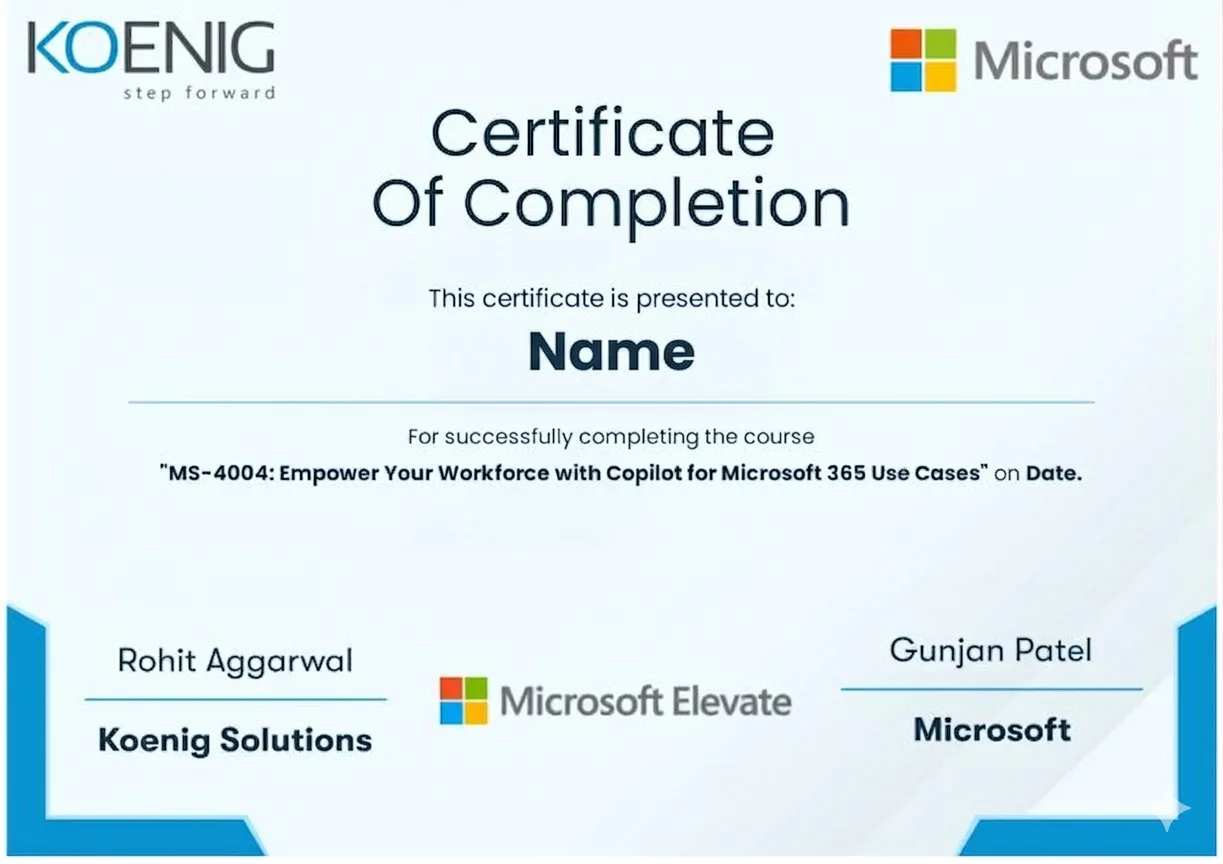
See what your official Robotics Simulation certification looks like. Download a sample — then let our advisors map the fastest path to earning the real one.
 FANUC-RG-CERT-01FANUC ROBOGUIDE Certified Operator
FANUC-RG-CERT-02FANUC ROBOGUIDE Applied Programming
ABB-RS-FUND-01ABB RobotStudio Fundamental Programming
ABB-RS-ADV-02ABB RobotStudio Advanced Programming
ABB-RS-ARC-03ABB RobotStudio Arc Welding Application
SIEMENS-PS-FOUND-01Siemens Process Simulate Foundation
Official credential badges — shareable on LinkedIn
FANUC-RG-CERT-01FANUC ROBOGUIDE Certified Operator
FANUC-RG-CERT-02FANUC ROBOGUIDE Applied Programming
ABB-RS-FUND-01ABB RobotStudio Fundamental Programming
ABB-RS-ADV-02ABB RobotStudio Advanced Programming
ABB-RS-ARC-03ABB RobotStudio Arc Welding Application
SIEMENS-PS-FOUND-01Siemens Process Simulate Foundation
Official credential badges — shareable on LinkedIn
Four formats. One quality standard. Every option comes with the same expert instructors, official courseware, and money-back guarantee.
Every factor that determines whether you actually pass your Robotics Simulation exam — rated across every training format available.
| Criteria | Koenig | ALP Provider | Legacy Provider | Self-Paced Platform | Free Platform |
|---|---|---|---|---|---|
| Trainer Expertise & Quality | |||||
| MCT-Certified Instructors | ✘ | ✘ | ✘ | ||
| Live Instructor-Led Training | Partial | ✘ | |||
| 1-on-1 Personalized Coaching | ✘ | ✘ | ✘ | ✘ | |
| Siemens Certification Standards | |||||
| Official Siemens ALP (Authorized Learning Partner) Status | ✘ | ✘ | ✘ | ||
| Official Courseware Mastery | Partial | ✘ | |||
| ESI / EA Credit Eligibility | ✘ | ✘ | ✘ | ||
| Delivery Flexibility & Access | |||||
| Flexible Start Date Scheduling | ✘ | ✘ | |||
| On-Site Corporate Training | ✘ | Partial | ✘ | ✘ | |
| Global Training Reach | Partial | Partial | |||
| Performance & Trust Signals | |||||
| Average Instructor Experience (Years) | 12+ Years | 8+ Years | 5+ Years | N/A | N/A |
| Fundamentals Pricing Value | ~$745 · best value | ~$1,500+ | ~$1,200 | $15-30/mo | Free |
| Verified Student Reviews | 18,400+ · 4.9★ | Limited | Limited | N/A | N/A |
Data sourced from public pricing pages and review platforms. Accurate as of March 2026. Partial = available in select regions only.
Verified reviews from learners certified on Azure, AI, Security, and more.
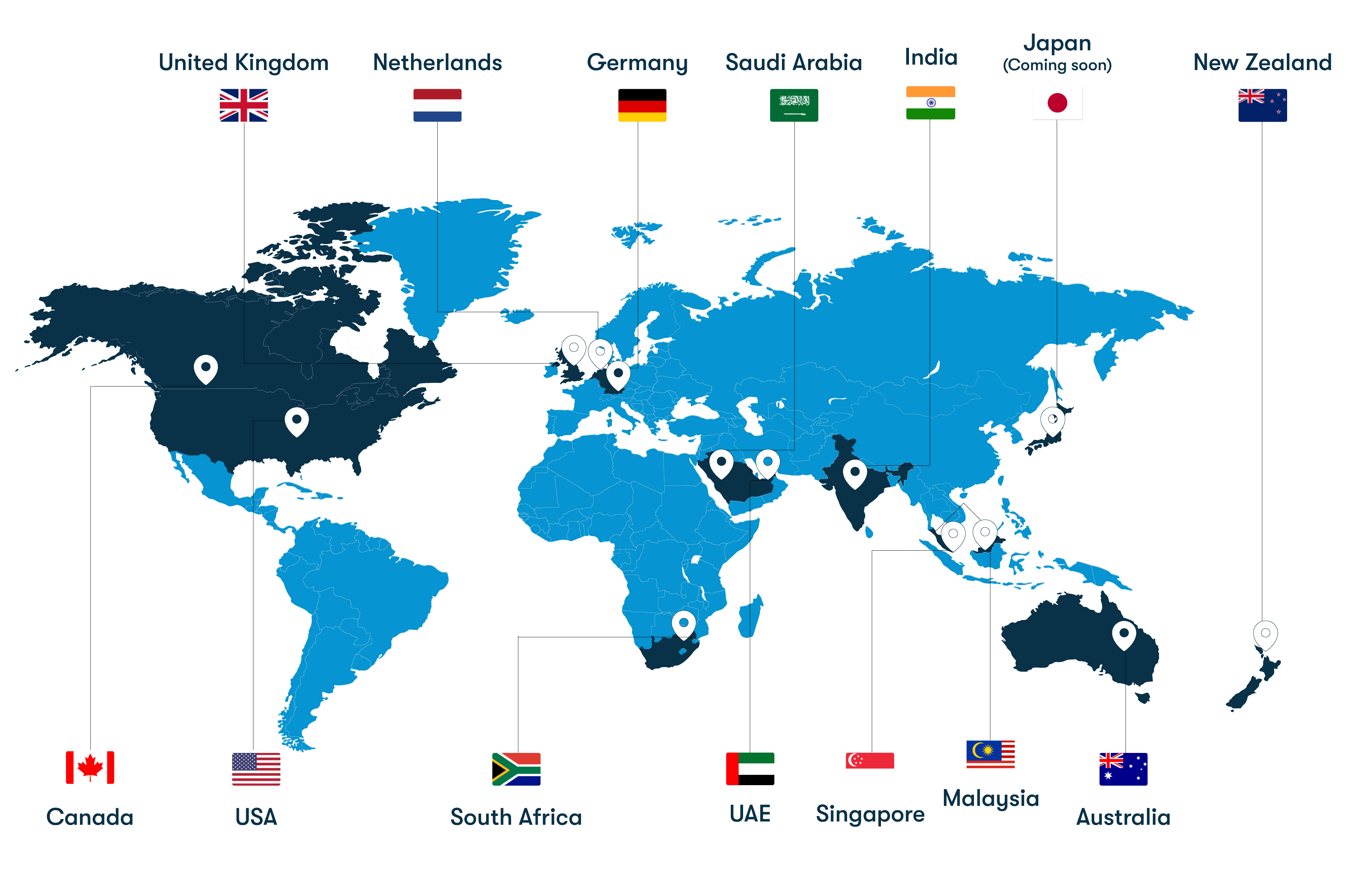
From our headquarters in India to training centers across UAE, Iraq, Saudi Arabia, UK, USA, Singapore, Australia, and more — Koenig delivers Microsoft certification training in 50+ countries.