
Unable to find what you're searching for?
We're here to help you find itDesign and simulate multidomain systems, model dynamic behavior with Stateflow, and validate embedded software using Simscape. Koenig delivers hands-on training by MathWorks-certified instructors, real-world labs, and exam prep for the Certified Simulink Associate credential.


500K+ certified professionals



























Explore MATLAB Simulink certification and training courses — delivered live by certified instructors.
MATLAB Simulink is a block diagram environment developed by MathWorks for multidomain simulation and Model-Based Design, enabling engineers to model, simulate, and deploy dynamic systems across industries. It serves as the core platform within the MathWorks ecosystem for designing complex systems, integrating seamlessly with MATLAB for algorithm development, simulation analysis, and data processing. Key components include Simulink for system-level modeling, Stateflow for state machine and logic design, Simscape for physical modeling, Simulink Coder for generating embedded C/C++ code, HDL Coder for FPGA and ASIC deployment, Simulink Test for verification workflows, and Simulink Real-Time for real-time simulation and hardware-in-the-loop testing. Additional tools like Simscape Electrical, Simscape Multibody, and Automated Driving Toolbox extend functionality into domain-specific applications such as power systems, robotics, and autonomous vehicles. This technology is for engineers and scientists working in control systems, automotive, aerospace, robotics, and embedded systems who require a unified environment to simulate multidomain systems, validate designs before hardware deployment, and generate production code while maintaining traceability and compliance with industry standards.
MATLAB Fundamentals
Use MATLAB for data analysis and basic scripting
Block Diagram Modeling
Create and simulate dynamic systems using Simulink blocks
Solver Configuration
Adjust solver settings for accurate and efficient simulations
Model Hierarchy
Organize models using subsystems and model references
Signal Processing Basics
Work with signals and perform basic filtering operations
Stateflow Essentials
Model logic and state transitions using Stateflow charts
The building blocks every MATLAB Simulink solution is made of
See what your official MATLAB Simulink certification looks like. Download a sample — then let our advisors map the fastest path to earning the real one.
 MCMACertified MATLAB Associate
MCMPCertified MATLAB Professional
MATLAB-Fundamentals-BadgeMATLAB Fundamentals Training Badge
Simulink-Fundamentals-BadgeSimulink Fundamentals Training Badge
MATLAB-Onramp-BadgeMATLAB Onramp Training Badge
Simulink-Onramp-BadgeSimulink Onramp Training Badge
Official credential badges — shareable on LinkedIn
MCMACertified MATLAB Associate
MCMPCertified MATLAB Professional
MATLAB-Fundamentals-BadgeMATLAB Fundamentals Training Badge
Simulink-Fundamentals-BadgeSimulink Fundamentals Training Badge
MATLAB-Onramp-BadgeMATLAB Onramp Training Badge
Simulink-Onramp-BadgeSimulink Onramp Training Badge
Official credential badges — shareable on LinkedIn
Four formats. One quality standard. Every option comes with the same expert instructors, official courseware, and money-back guarantee.
Every factor that determines whether you actually pass your MATLAB Simulink exam — rated across every training format available.
| Criteria | Koenig | Free Platform | Self-Paced Platform | ALP Provider | Third Party Provider |
|---|---|---|---|---|---|
| Trainer Quality & Expertise | |||||
| Certified Expert Instructors | ✘ | ✘ | ✘ | ||
| Live Instructor-Led Training | ✘ | ✘ | Partial | ||
| Custom 1-on-1 Mentorship | ✘ | ✘ | Partial | ✘ | |
| MathWorks Official Status | |||||
| Authorized MathWorks ALP Status | ✘ | ✘ | |||
| Official MathWorks Courseware | Partial | ||||
| Training Credits Accepted | ✘ | ✘ | ✘ | ||
| Flexibility & Global Access | |||||
| Any-Day Flexible Scheduling | Partial | ✘ | |||
| On-Site Corporate Training | ✘ | ✘ | Partial | ✘ | |
| Global Delivery Reach | Partial | ✘ | |||
| Results & Trust Metrics | |||||
| MATLAB Associate/Professional Path | N/A | N/A | N/A | ||
| Entry Price (Fundamentals) | ~$745 · best value | Free | $640/yr | ~$2,100+ | N/A |
| Verified Learner Reviews | 18,400+ · 4.9★ | 96% recommend | 144% skill gain | Limited | Limited |
Data sourced from public pricing pages and review platforms. Accurate as of March 2026. Partial = available in select regions only.
Verified reviews from learners certified on Azure, AI, Security, and more.
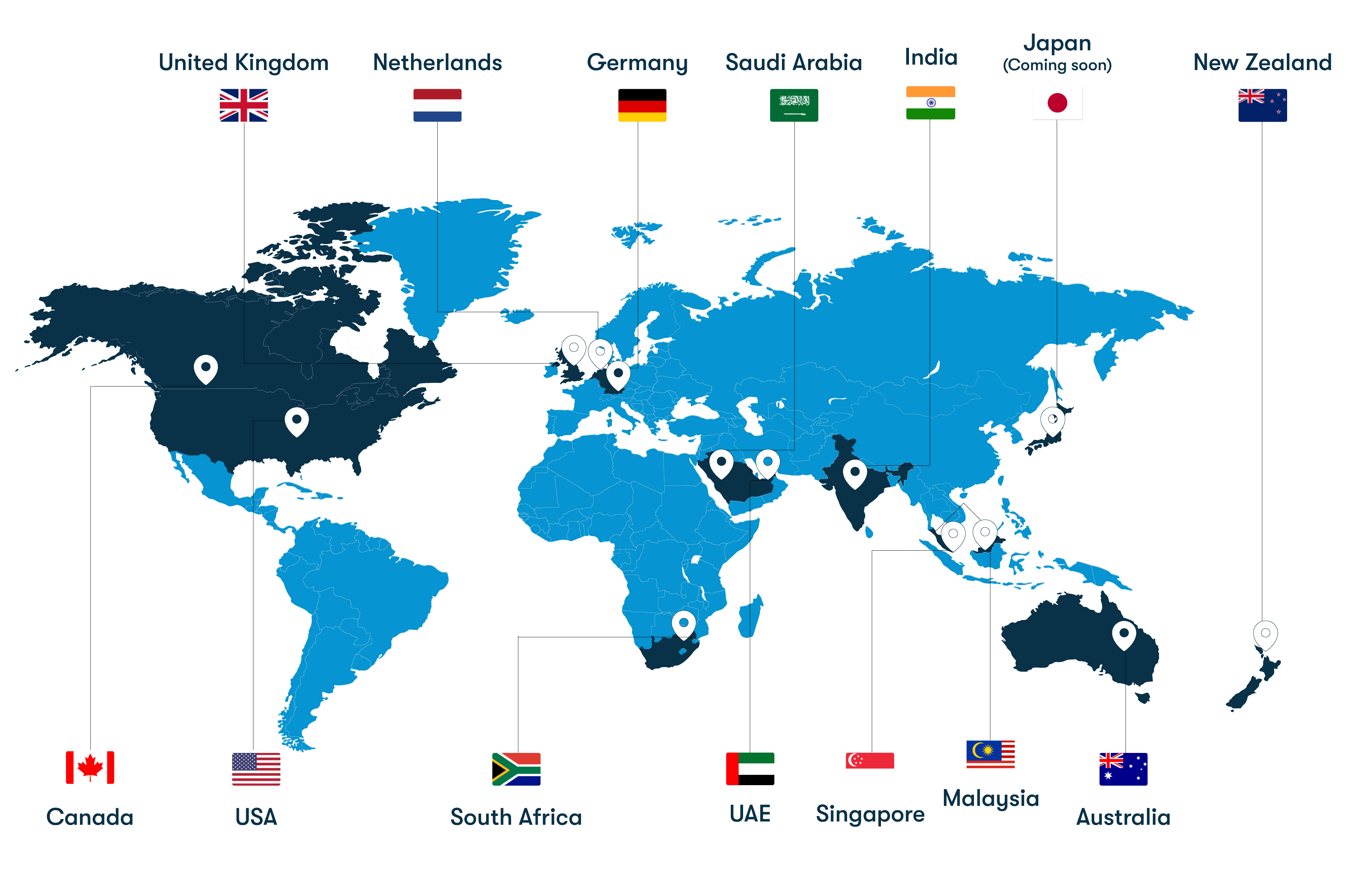
From our headquarters in India to training centers across UAE, Iraq, Saudi Arabia, UK, USA, Singapore, Australia, and more — Koenig delivers Microsoft certification training in 50+ countries.