
Unable to find what you're searching for?
We're here to help you find itBuild intelligent workflows with UiPath Studio, automate document processing using Document Understanding, and orchestrate robots at scale via Orchestrator. Koenig delivers hands-on labs and real-world projects through officially credentialed trainers, preparing you for UiPath certification.
500K+ certified professionals























Explore Intelligent Automation certification and training courses — delivered live by certified instructors.
Intelligent Automation is a technology category that combines artificial intelligence, process automation, and decision-making systems to streamline complex business operations. Published by vendors such as IBM, SAP, and Oracle, it solves the challenge of automating tasks that require human-like reasoning, judgment, and adaptation. Within enterprise technology stacks, Intelligent Automation sits at the intersection of data integration, workflow management, and AI-driven insight generation. The core components of Intelligent Automation include Artificial Intelligence (AI), which enables systems to learn from data and make decisions; Robotic Process Automation (RPA), which executes repetitive, rule-based tasks; Business Process Management (BPM), which models and optimizes workflows; Natural Language Processing (NLP), which allows systems to understand and generate human language; Machine Learning (ML), which improves performance over time through data exposure; Computer Vision, which interprets visual inputs; and Optical Character Recognition (OCR), which converts scanned text into editable, structured data. Intelligent Automation is designed for business analysts, IT professionals, and operations managers who need to reduce manual workload, improve process accuracy, and scale digital transformation initiatives. These practitioners benefit by combining automation tools with AI capabilities to handle complex, variable processes that traditional automation alone cannot manage.
RPA Fundamentals
Design and develop simple automation workflows using Studio and Orchestrator
UI Automation
Automate interactions with desktop and web applications using UI elements
Data Extraction
Extract structured data from PDFs, Excel, and emails using native tools
API Integration
Connect automations to external systems using REST API calls
Workflow Control
Implement decision logic, loops, and error handling in process flows
Security Practices
Manage credentials and sensitive data using encrypted variables and vaults
The building blocks every Intelligent Automation solution is made of
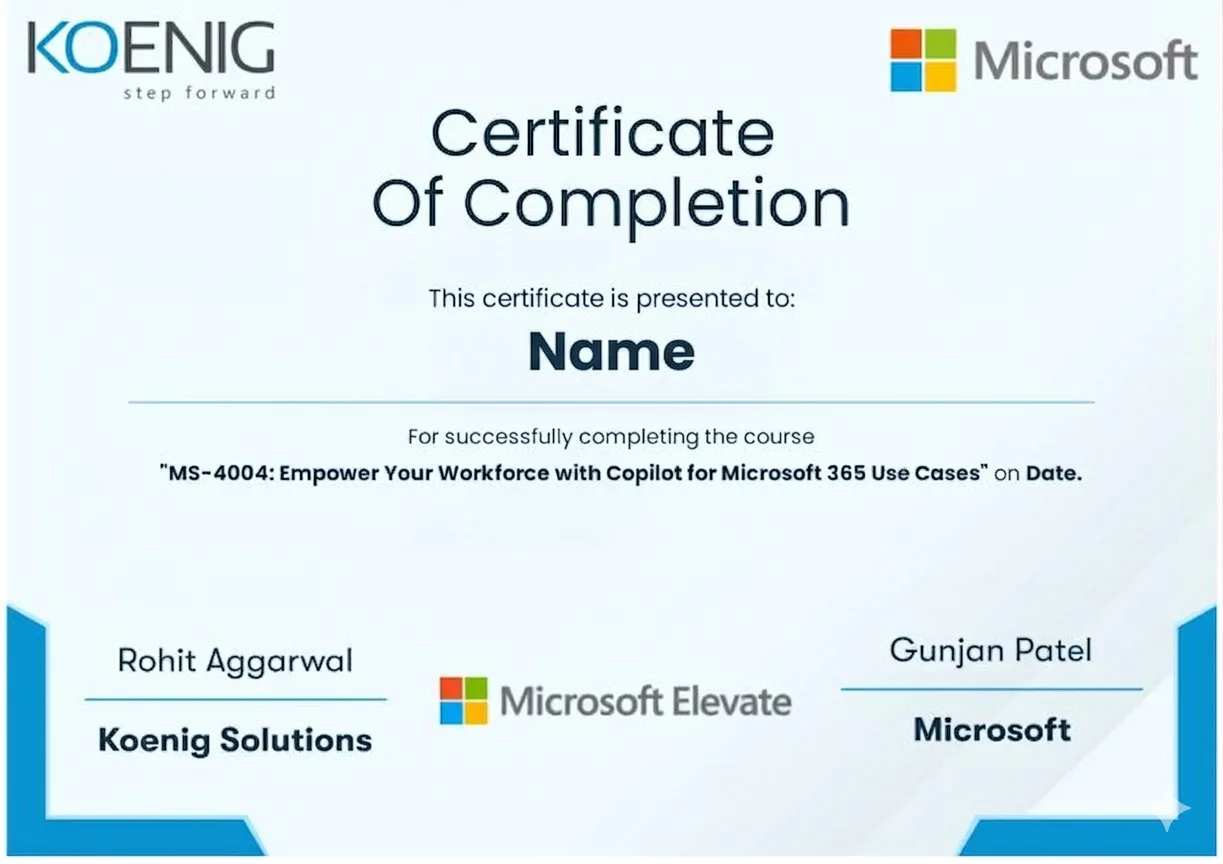
See what your official Intelligent Automation certification looks like. Download a sample — then let our advisors map the fastest path to earning the real one.
 UiPath-AAAAgentic Automation Associate
UiPath-ADAAutomation Developer Associate
UiPath-SAISpecialized AI Associate
UiPath-ADPAutomation Developer Professional
UiPath-SAPSpecialized AI Professional
UiPath-ASPAgentic Automation Professional
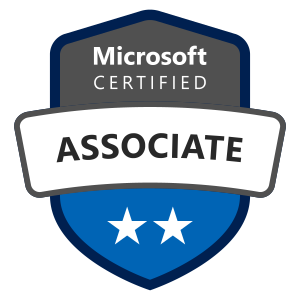
Official credential badges — shareable on LinkedIn
UiPath-AAAAgentic Automation Associate
UiPath-ADAAutomation Developer Associate
UiPath-SAISpecialized AI Associate
UiPath-ADPAutomation Developer Professional
UiPath-SAPSpecialized AI Professional
UiPath-ASPAgentic Automation Professional
Official credential badges — shareable on LinkedIn
Four formats. One quality standard. Every option comes with the same expert instructors, official courseware, and money-back guarantee.
Every factor that determines whether you actually pass your Intelligent Automation exam — rated across every training format available.
| Criteria | Koenig | Free Platform | Self-Paced Platform | Standard Authorized Partners | Traditional Training Centers |
|---|---|---|---|---|---|
| Trainer Quality & Credentials | |||||
| MCT-Certified Trainers | Partial | Partial | |||
| Live Instructor-Led Classes | |||||
| 1-on-1 Private Training | |||||
| Microsoft Authorisation | |||||
| Official Microsoft ALP Status | Partial | ||||
| Official MOC Courseware | Partial | ||||
| ESI / EA Credits Accepted | Partial | ||||
| Flexibility & Access | |||||
| Flexi / Any-Day Start | |||||
| On-Site / Fly-Me-A-Trainer | |||||
| Global Delivery (50+ countries) | Partial | Partial | |||
| Results & Trust | |||||
| Microsoft Exam Pass Rate | 95% | Variable | Not tracked | ~70–75% | Not published |
| Entry Price (Includes exam voucher) | ~$745 · best value | Free (Excludes exam) | $15-30/mo (Excludes exam) | ~$1,500+ | ~$1,400+ |
| Verified Student Reviews | 18,400+ · 4.9★ | N/A | High volume | Limited | Limited |
Data sourced from public pricing pages and review platforms. Accurate as of March 2026. Partial = available in select regions only.
Verified reviews from learners certified on Azure, AI, Security, and more.
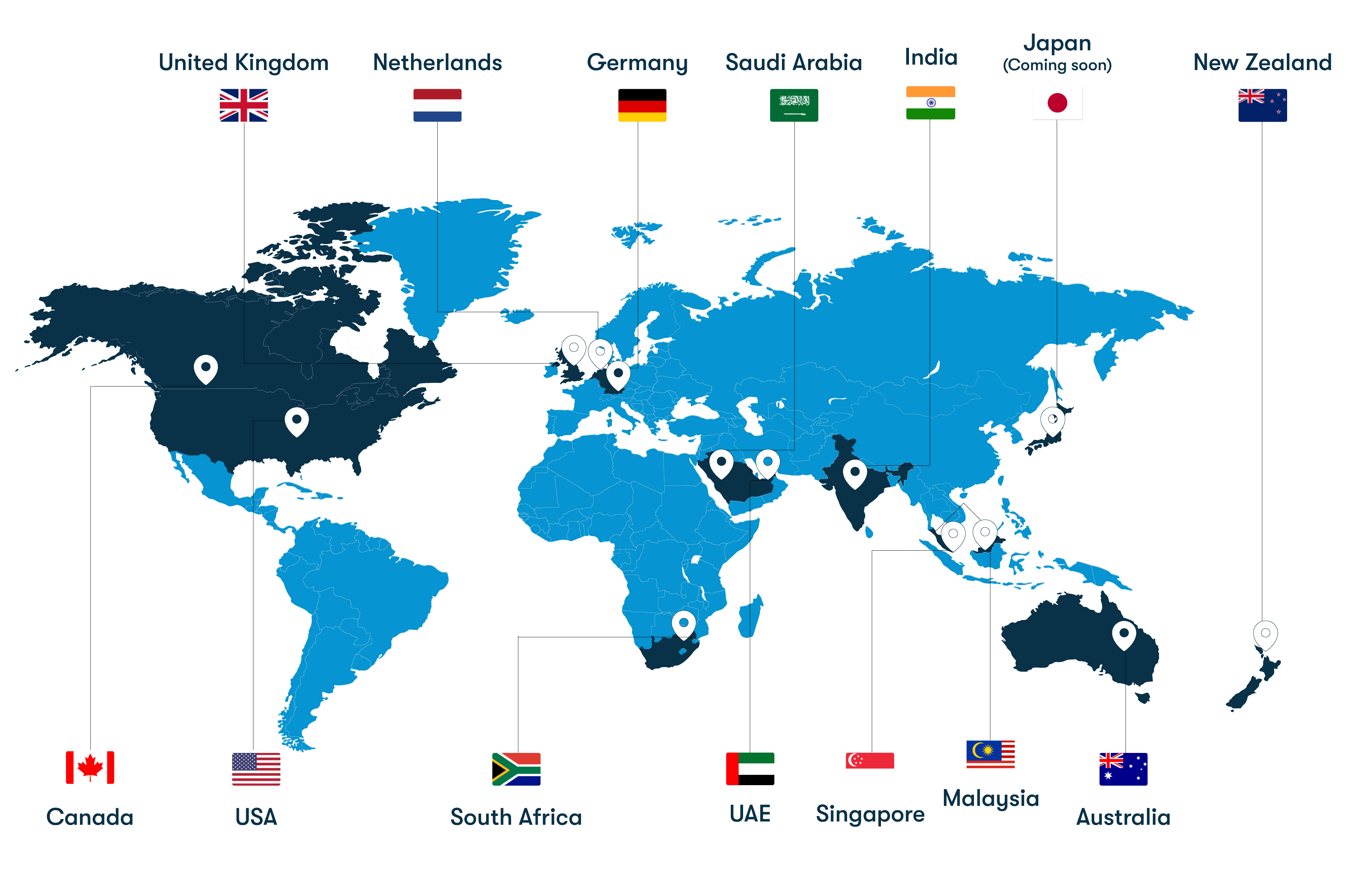
From our headquarters in India to training centers across UAE, Iraq, Saudi Arabia, UK, USA, Singapore, Australia, and more — Koenig delivers Microsoft certification training in 195+ countries.