
Unable to find what you're searching for?
We're here to help you find itDesign solar photovoltaic systems, integrate wind energy into smart grids, and deploy lithium-ion energy storage solutions. Koenig delivers hands-on labs and real-world projects through officially credentialed trainers, preparing you for the Renewable Energy and Sustainability certification.


500K+ certified professionals



























Explore Green Energy certification and training courses — delivered live by certified instructors.
Our Green Energy Certification program provides the specialized expertise required to lead in a sector experiencing 15 percent annual global renewable capacity growth. Designed for professionals, this course offers a competitive edge over generic information by focusing on actionable deployment strategies and regulatory compliance. With the sustainability job market projected to grow by 20 percent through 2030, our curriculum ensures you master solar, wind, and storage technologies essential for decarbonization. Choose our training to gain the verifiable credentials needed to implement scalable, high-impact renewable solutions, positioning yourself as a leader in the transition to a net-zero future.
Energy Fundamentals
Demonstrate core principles of renewable generation and grid integration, supported by a minimum of 1 year of experience in electrical systems or an engineering degree.
System Components
Identify key elements in solar, wind, and storage installations, meeting NABCEP certification requirements or equivalent technical training.
Modeling Tools
Proficiency in industry-standard software including PVSyst, SAM, or HOMER Pro for energy simulation and performance optimization.
Compliance Standards
Apply regulatory frameworks including IEEE 1547 and NEC Article 690 in project planning and system design.
Data Analysis
Conduct feasibility studies and energy audits with real-world data, requiring completion of OSHA 10-hour construction safety training.
Lifecycle Management
Perform system integration and sustainability assessments across project phases, adhering to 'Green Energy' industry best practices.
The building blocks every Green Energy solution is made of
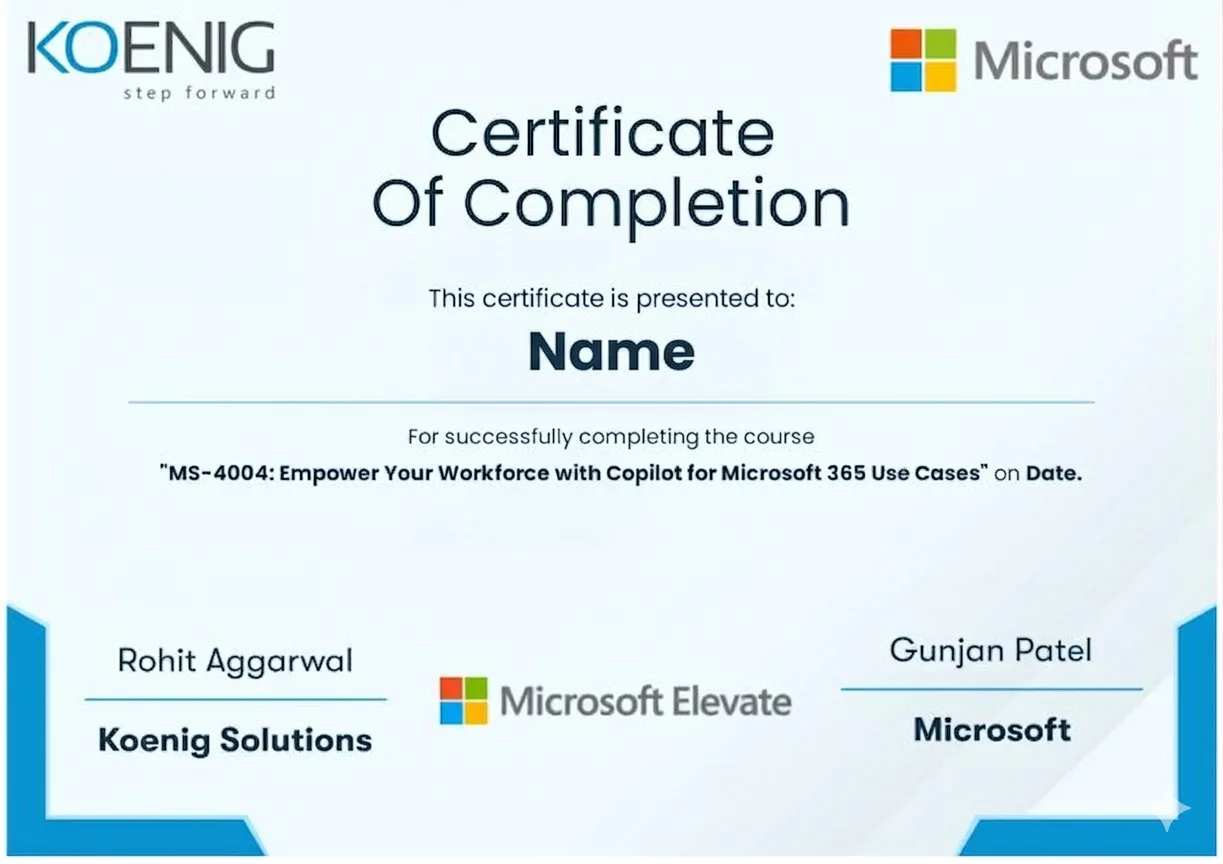
See what your official Green Energy certification looks like. Download a sample — then let our advisors map the fastest path to earning the real one.
Four formats. One quality standard. Every option comes with the same expert instructors, official courseware, and money-back guarantee.
Every factor that determines whether you actually pass your Green Energy exam — rated across every training format available.
| Criteria | Koenig | Free Platform | Note | Self-Paced Platform | ALP Provider | Legacy Provider |
|---|---|---|---|---|---|---|
| Industry Standards and Certification | ||||||
| NABCEP Certification Alignment | Alignment with North American Board of Certified Energy Practitioners | Limited | Partial | Partial | ||
| Hands-on Lab Hours | 40+ Hours | 0 Hours | Practical training hours required for Green Energy certification | 0 Hours | 20 Hours | 15 Hours |
| Average Completion Time | 3 Months | Self-Directed | Typical duration to achieve Green Energy proficiency | Variable | 4 Months | 6 Months |
| Green Energy vendor authorisation | ||||||
| Industry-Recognized Accreditation | High | Recognition by OSHA and state energy boards | Low | Medium | Medium | |
| Curriculum Updates | Quarterly | Frequency of Green Energy technology updates | Rare | Annual | Biennial | |
| Instructor Credentials | Certified Pros | N/A | Professional background of Green Energy trainers | N/A | Industry Exp | Academic |
| Flexibility and learning access | ||||||
| Learning Format | Hybrid | Online | Primary delivery method for Green Energy modules | Online | Virtual | In-Person |
| Support Access | 24/7 | Availability of technical support for students | Forum Only | Business Hrs | Business Hrs | |
| Career Placement | Job placement assistance for Green Energy graduates | Optional | ||||
| Results and industry trust | ||||||
| Student Pass Rate | 95% | N/A | Percentage of students passing Green Energy exams | 60% | 85% | 80% |
| Employer Recognition | High | Low | Value of certificate to Green Energy employers | Low | High | Medium |
| Alumni Network | Active | Access to professional Green Energy community | Moderate | Limited | ||
Data sourced from public pricing pages and review platforms. Accurate as of March 2026. Partial = available in select regions only.
Verified reviews from learners certified on Azure, AI, Security, and more.
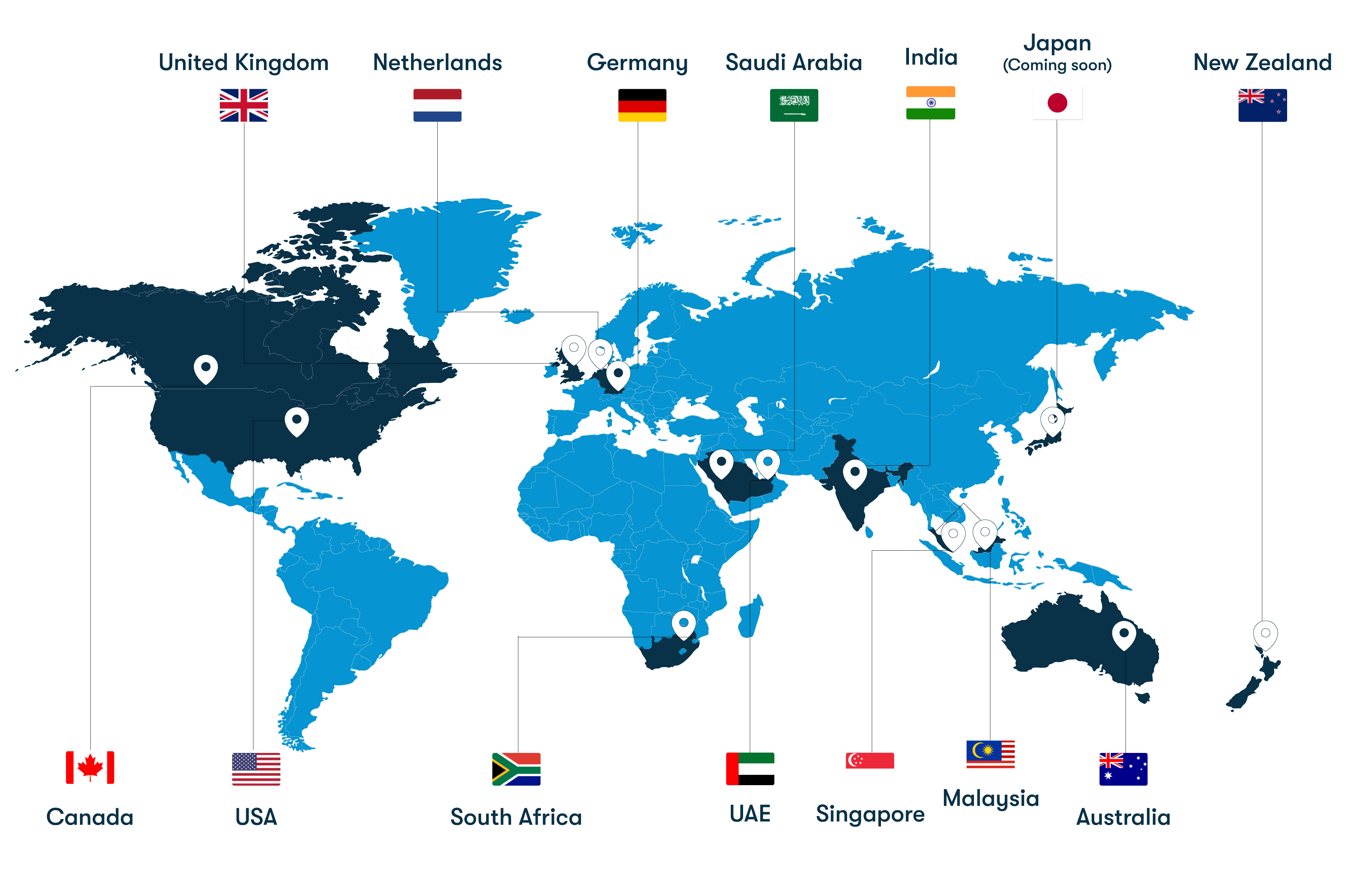
From our headquarters in India to training centers across UAE, Iraq, Saudi Arabia, UK, USA, Singapore, Australia, and more — Koenig delivers Microsoft certification training in 50+ countries.