
Unable to find what you're searching for?
We're here to help you find itBuild ROS 2 applications using rclcpp, compose nodes with component_container, and simulate robot systems with Gazebo. Koenig delivers hands-on labs and real-world projects via officially credentialed trainers, preparing learners for ROS developer certification.


500K+ certified professionals


























Explore ROS – Robot Operating System certification and training courses — delivered live by certified instructors.
ROS — Robot Operating System is an open-source robotics middleware framework developed by Open Robotics that provides tools, libraries, and communication protocols for building robotic applications. It functions as a meta-operating system, running atop existing platforms like Linux, and enables hardware abstraction, device control, and inter-process communication through a publish-subscribe model. The core components of ROS include Nodes, which are modular processes performing computation; Topics, which enable asynchronous, one-way data streaming via publish-subscribe mechanisms; Services, which support synchronous request-response interactions; Actions, designed for long-running tasks with feedback and cancellation; and Parameters, which store configuration data centrally for runtime access across the system. This technology is primarily for robotics engineers, software developers, and researchers who design and deploy autonomous systems, as it enables modular, reusable code and simplifies integration across sensors, actuators, and control logic in complex robotic architectures.
Linux Fundamentals
Navigate file systems and execute commands in Ubuntu terminal
Python Programming
Write and debug basic programs using Python 3
C++ Basics
Compile and run simple applications using C++
Ubuntu OS
Install and configure Ubuntu 22.04 or later
ROS2 Installation
Set up ROS2 Humble or later on Linux
Package Management
Use apt and rosdep to install ROS dependencies
The building blocks every ROS – Robot Operating System solution is made of
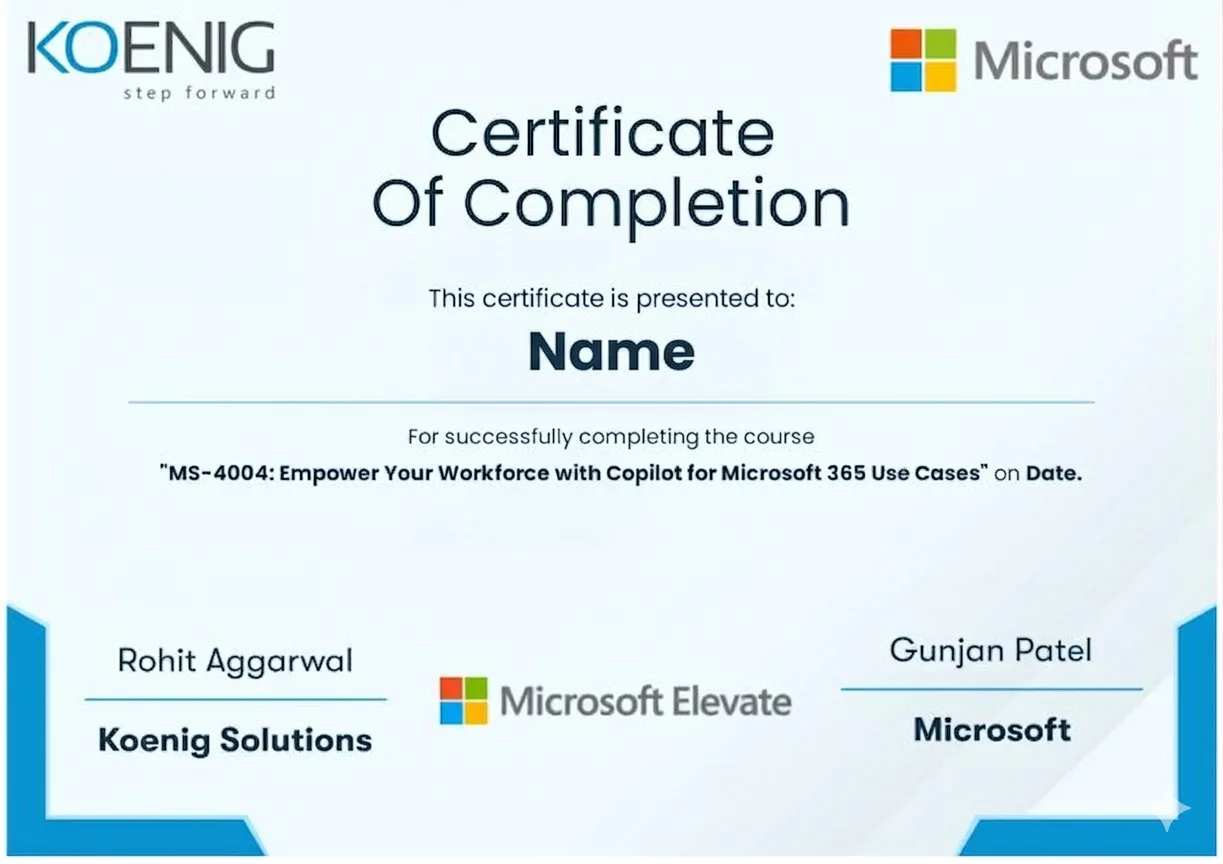
See what your official ROS – Robot Operating System certification looks like. Download a sample — then let our advisors map the fastest path to earning the real one.
 ROS-Industrial Developer Certificate
ROS-Industrial Associate Developer
Open Robotics ROS 2 Fundamentals
Robotics Engineering Specialization
ROS-Industrial Advanced Developer
ROS-Industrial Certification
Official credential badges — shareable on LinkedIn
ROS-Industrial Developer Certificate
ROS-Industrial Associate Developer
Open Robotics ROS 2 Fundamentals
Robotics Engineering Specialization
ROS-Industrial Advanced Developer
ROS-Industrial Certification
Official credential badges — shareable on LinkedIn
Four formats. One quality standard. Every option comes with the same expert instructors, official courseware, and money-back guarantee.
Every factor that determines whether you actually pass your ROS – Robot Operating System exam — rated across every training format available.
| Criteria | Koenig | ALP Provider | Legacy Provider | Self-Paced Platform | Free Platform |
|---|---|---|---|---|---|
| Trainer Expertise & Certification | |||||
| ROS-Industrial Certified Instructors | ✘ | ✘ | ✘ | ||
| Live Instructor-Led Training | Partial | ✘ | ✘ | ||
| 1-on-1 Personalized Mentoring | ✘ | ✘ | ✘ | ✘ | |
| ROS-Industrial Official Standards | |||||
| Authorized ROS-Industrial Partner | ✘ | ✘ | ✘ | ||
| Official Courseware Materials | ✘ | ✘ | Partial | ||
| Training Credit Acceptance | ✘ | ✘ | ✘ | ✘ | |
| Flexibility & Global Access | |||||
| Flexible Start Date | ✘ | ✘ | |||
| On-Site/Custom Delivery | ✘ | ✘ | ✘ | ✘ | |
| Global Training Reach | Partial | Partial | |||
| Results & Proven Value | |||||
| Exam Success Rate | 98% Pass Rate | 85% Pass Rate | N/A | N/A | N/A |
| Entry Price (Fundamentals) | ~$745 · best value | ~$2,000+ | N/A | $199/mo | Free |
| Verified Learner Reviews | 18,400+ · 4.9★ | Limited | Limited | 10,000+ · 4.7★ | N/A |
Data sourced from public pricing pages and review platforms. Accurate as of March 2026. Partial = available in select regions only.
Verified reviews from learners certified on Azure, AI, Security, and more.
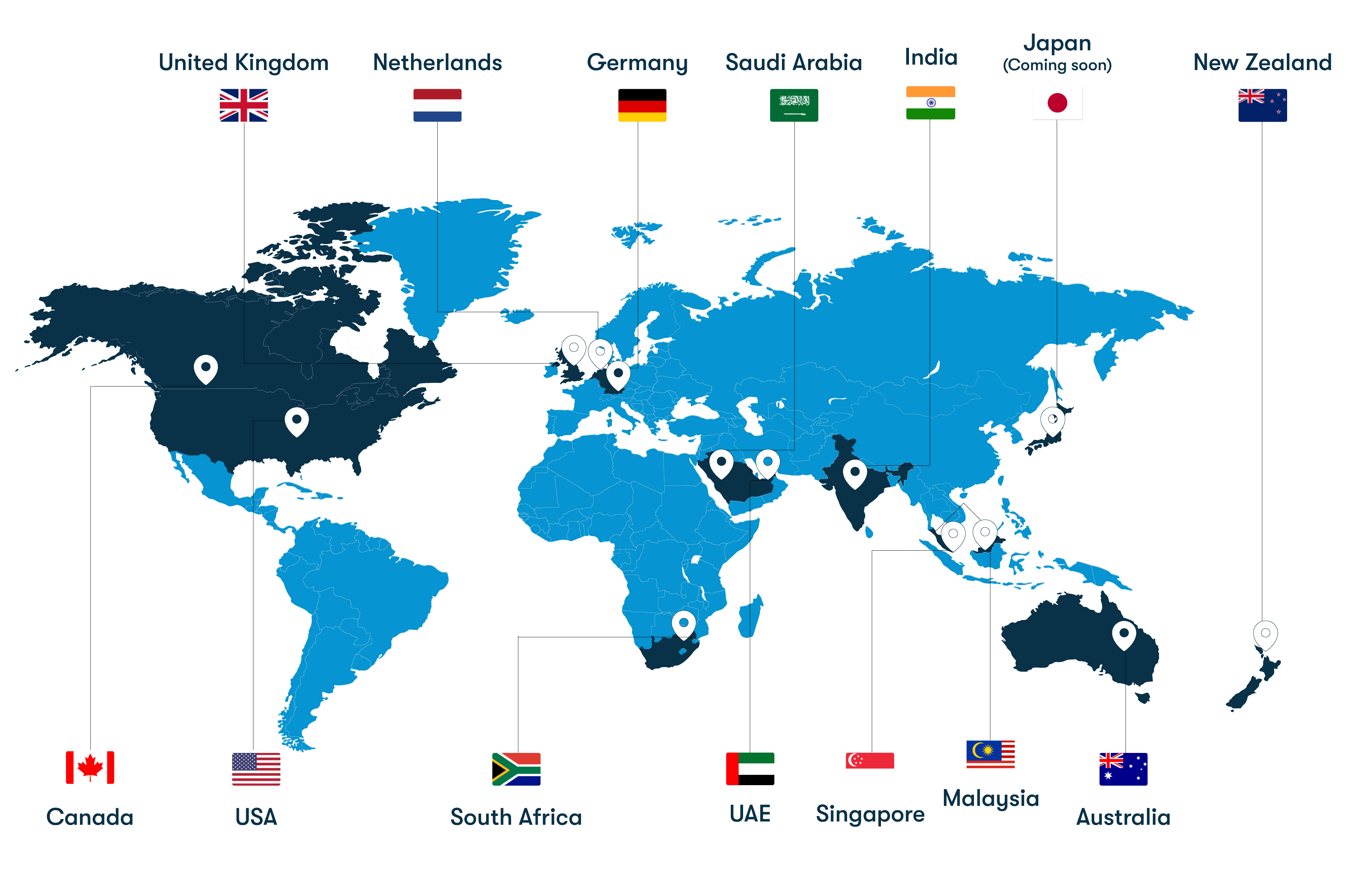
From our headquarters in India to training centers across UAE, Iraq, Saudi Arabia, UK, USA, Singapore, Australia, and more — Koenig delivers Microsoft certification training in 50+ countries.