
Unable to find what you're searching for?
We're here to help you find itDesign and validate efficient factory layouts using AutoCAD, Inventor, and Navisworks with bidirectional 2D/3D workflows. Koenig’s Autodesk-credentialed trainers deliver hands-on labs and real-world projects to prepare you for Autodesk Certified Professional certification.


500K+ certified professionals



























Explore Factory Design certification and training courses — delivered live by certified instructors.
Factory Design is a digital factory layout and optimization technology published by Autodesk, designed to solve complex manufacturing facility planning challenges by enabling integrated 2D and 3D modeling. It sits within Autodesk’s manufacturing software ecosystem, extending AutoCAD and Inventor with specialized tools for creating accurate, data-rich factory models. The technology integrates Factory Design Utilities, which provides parametric factory assets like conveyors and material handling equipment, and supports bidirectional associativity between AutoCAD and Inventor. It also connects with Autodesk A360 for cloud-based collaboration and asset management, and leverages Material Flow for defining production stations, routings, and product flows to simulate and validate efficient layouts. This technology is for industrial engineers, production planners, and facility designers who require precise, scalable layouts to optimize throughput, minimize installation clashes, and validate equipment placement across the factory lifecycle.
AutoCAD Fundamentals
Create and edit 2D drawings using AutoCAD tools and DWG format
Inventor Modeling
Build parametric 3D models in Autodesk Inventor Professional environment
Navisworks Integration
Combine and review 3D factory layouts in Navisworks Manage or Simulate
Vault Management
Use Vault Professional for data management across factory design workflows
Material Flow Setup
Define stations, products and routings for manufacturing process simulation
Layout Synchronization
Sync bidirectional changes between 2D AutoCAD and 3D Inventor models
The building blocks every Factory Design solution is made of
See what your official Factory Design certification looks like. Download a sample — then let our advisors map the fastest path to earning the real one.

Four formats. One quality standard. Every option comes with the same expert instructors, official courseware, and money-back guarantee.
Every factor that determines whether you actually pass your Factory Design exam — rated across every training format available.
| Criteria | Koenig | Free Platform | Self-Paced Platform | Traditional Center | Independent Provider |
|---|---|---|---|---|---|
| Trainer expertise and credentials | |||||
| MCT-Certified Trainers | ✘ | ✘ | ✘ | ||
| Live instructor-led training | ✘ | ✘ | Partial | ||
| 1-on-1 private instruction | ✘ | ✘ | ✘ | ✘ | |
| Autodesk Authorization | |||||
| Official Autodesk ALP Status | ✘ | ✘ | ✘ | ||
| Official courseware materials | ✘ | Partial | |||
| ESI / EA Credits Accepted | ✘ | ✘ | ✘ | ||
| Flexibility and delivery | |||||
| Any-day / flexible starts | ✘ | ✘ | |||
| On-site / custom delivery | ✘ | ✘ | Partial | ✘ | |
| Global delivery reach | Partial | ||||
| Results and reliability | |||||
| Exam pass rate support | ✘ | ✘ | ✘ | ✘ | |
| Entry price value | $745 | Free | $199 | $1,650 | $1,500+ |
| Verified learner reviews | 18,400+ · 4.9★ | N/A | N/A | Limited | Limited |
Data sourced from public pricing pages and review platforms. Accurate as of March 2026. Partial = available in select regions only.
Verified reviews from learners certified on Azure, AI, Security, and more.
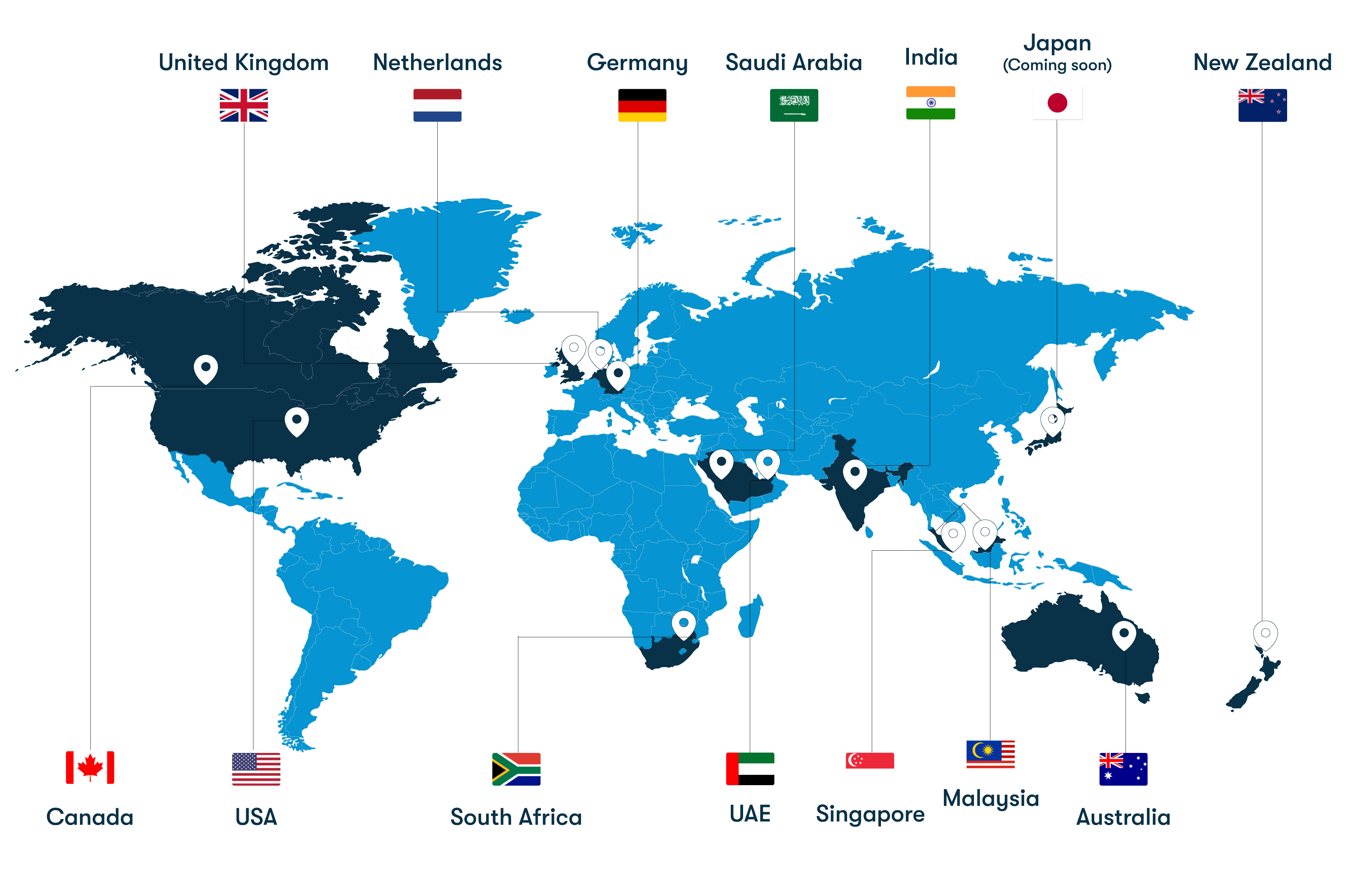
From our headquarters in India to training centers across UAE, Iraq, Saudi Arabia, UK, USA, Singapore, Australia, and more — Koenig delivers Microsoft certification training in 50+ countries.