
Unable to find what you're searching for?
We're here to help you find itManage design data, control file versions, and automate change workflows using SOLIDWORKS PDM. Learn from certified instructors with hands-on labs and real-world projects to earn the CSWA-PDM certification.


500K+ certified professionals


























Explore Product Data Management (PDM/PLM) certification and training courses — delivered live by certified instructors.
Product Data Management (PDM) is a technology category focused on managing engineering design data, primarily CAD files, parts, and documents, to ensure data integrity and streamline product development. Published by vendors such as Dassault Systèmes, Siemens, and PTC, PDM systems solve the challenge of data silos by providing a secure, centralized repository. Within broader PLM ecosystems, PDM serves as the foundational layer for controlling product data during the design and engineering phases. Core components include ENOVIA PDM, which manages CAD files, version control, and Engineering BOMs; 3DEXPERIENCE Platform, enabling cloud-based collaboration and integration across design tools; SOLIDWORKS PDM, tailored for mid-market engineering teams managing CAD workflows; and Teamcenter and Windchill, which support enterprise-scale data and change management. These systems ensure traceability, enforce revision control, and support compliance with standards such as ISO and FDA through audit trails and role-based access. Product Data Management is for design engineers, CAD managers, and product development teams who require precise control over engineering data and change processes. It benefits organizations by reducing rework, preventing version errors, and establishing a single source of truth across distributed teams.
Core PDM Concepts
Understand product data structures, revisions and lifecycle states
Teamcenter Navigation
Use Active Workspace or Rich Client to find and view data
Data Management
Create, check-in and manage items, files and BOMs
Change Management
Initiate, review and approve change requests and tasks
Workflow Basics
Monitor and complete workflow assignments in Teamcenter
Security Models
Apply roles, groups and access rules to manage data security
The building blocks every Product Data Management (PDM/PLM) solution is made of
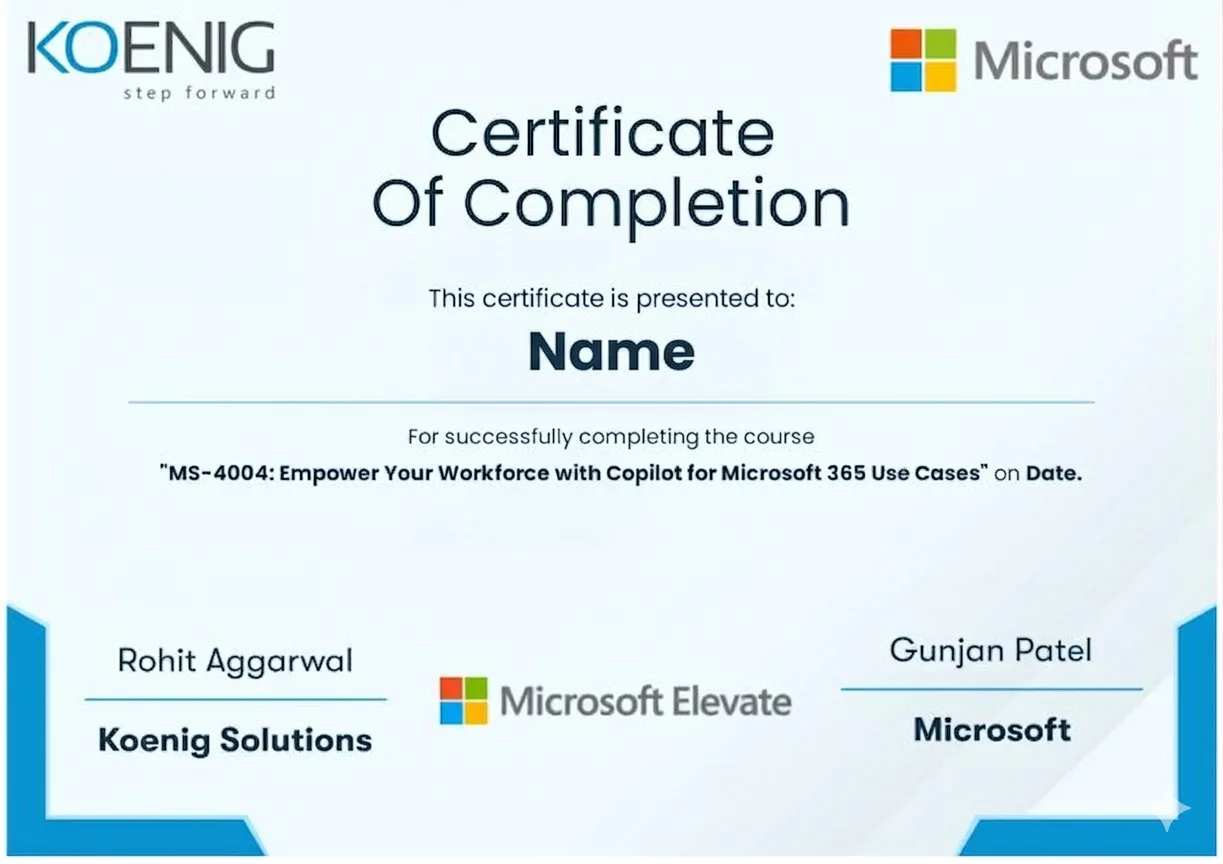
See what your official Product Data Management (PDM/PLM) certification looks like. Download a sample — then let our advisors map the fastest path to earning the real one.
 Teamcenter / Teamcenter XAssociate
Teamcenter (X) Product Cost ManagementProduct Cost Management
Process Simulate on TeamcenterProcess Simulate
Teamcenter QualityQuality
TeamcenterProfessional
Teamcenter SimulationSimulation
Official credential badges — shareable on LinkedIn
Teamcenter / Teamcenter XAssociate
Teamcenter (X) Product Cost ManagementProduct Cost Management
Process Simulate on TeamcenterProcess Simulate
Teamcenter QualityQuality
TeamcenterProfessional
Teamcenter SimulationSimulation
Official credential badges — shareable on LinkedIn
Four formats. One quality standard. Every option comes with the same expert instructors, official courseware, and money-back guarantee.
Every factor that determines whether you actually pass your Product Data Management (PDM/PLM) exam — rated across every training format available.
| Criteria | Koenig | Free Platform | Self-Paced Platform | ALP Provider | Third Party Provider |
|---|---|---|---|---|---|
| Trainer Quality & Expertise | |||||
| Siemens Certified Instructor | ✘ | ✘ | ✘ | ||
| Live Instructor-Led Delivery | ✘ | Partial | |||
| 1-on-1 Private Training | ✘ | ✘ | Partial | ✘ | |
| Siemens Authorization | |||||
| Official Siemens ALP Status | ✘ | ✘ | ✘ | ||
| Siemens Official Courseware | ✘ | ||||
| Learning Credits Accepted | ✘ | ✘ | ✘ | ||
| Flexibility & Global Access | |||||
| Any-Day/Flexi Start | ✘ | ✘ | |||
| On-Site or Fly-Me Trainer | ✘ | ✘ | Partial | ✘ | |
| Global Delivery Reach | Partial | ||||
| Results & Learner Trust | |||||
| Exam Pass Rate | ✘ | ✘ | ✘ | ✘ | |
| Entry Price (Note: Instructor-led includes live mentorship) | ~$745 | Free | $15-30/mo | ~$1,500+ | N/A |
| Verified Learner Reviews | 18,400+ · 4.9★ | N/A | 100,000+ · 4.5★ | Limited | N/A |
Data sourced from public pricing pages and review platforms. Accurate as of March 2026. Partial = available in select regions only.
Verified reviews from learners certified on Azure, AI, Security, and more.
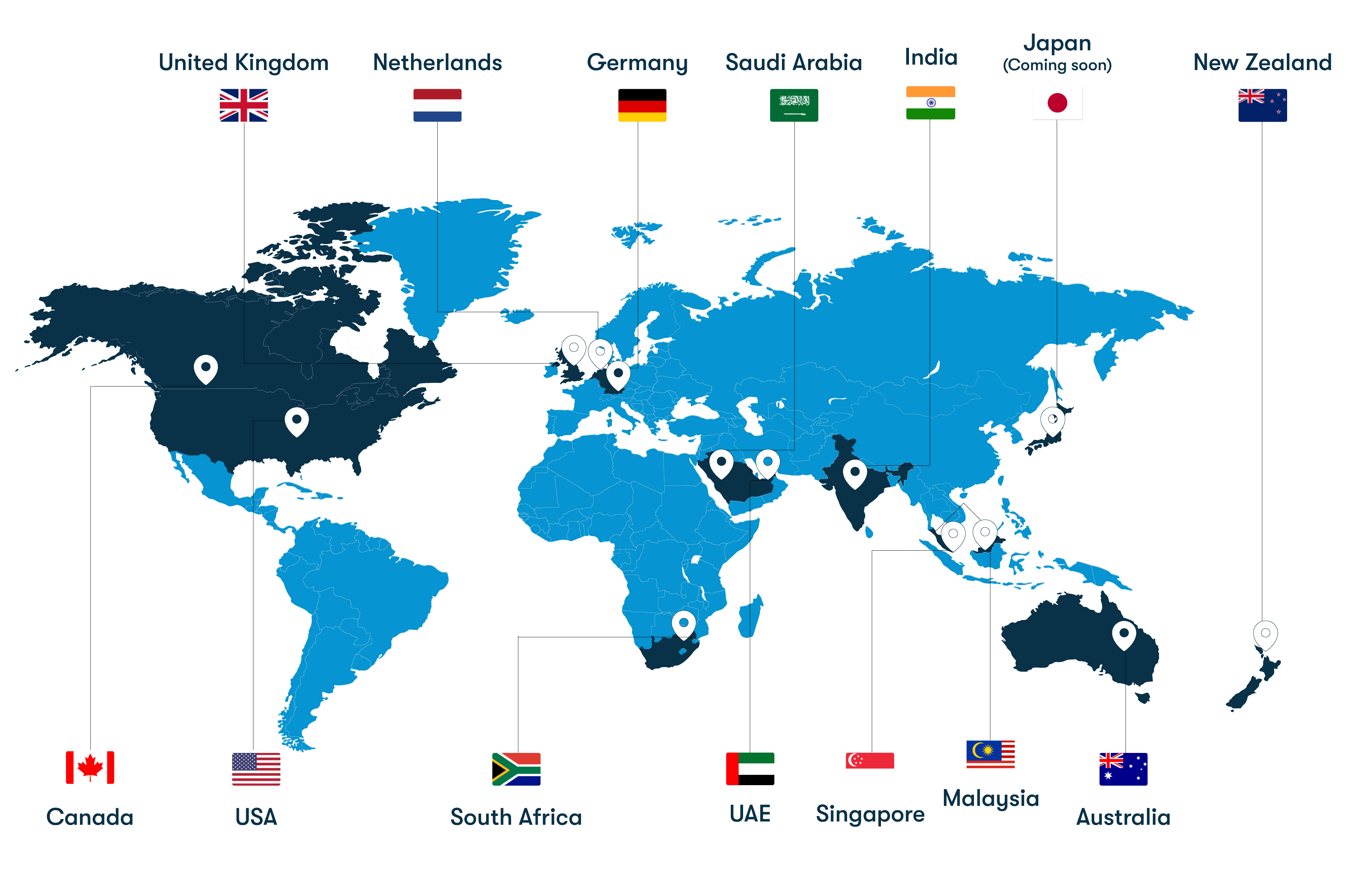
From our headquarters in India to training centers across UAE, Iraq, Saudi Arabia, UK, USA, Singapore, Australia, and more — Koenig delivers Microsoft certification training in 50+ countries.