
Unable to find what you're searching for?
We're here to help you find itMaster NestJS development with Koenig. Build robust REST APIs, integrate MongoDB, and implement secure JWT authentication through our expert-led, hands-on training and official certification curriculum.


500K+ certified professionals


























Explore Nest certification and training courses — delivered live by certified instructors.
Google Nest offers a smart home platform that integrates connected devices to automate home safety, comfort, and connectivity. Operating within the Google Nest ecosystem, these products use cloud services and AI for seamless communication. Google Nest Thermostats have saved users over 100 billion kWh of energy, demonstrating significant efficiency. Key components include Google Nest Thermostat, Google Nest Protect, Google Nest Cam, Google Nest Doorbell, Google Nest Wifi, and Google Nest Speakers. This technology is designed for homeowners and professionals managing residential networks who need reliable, interoperable systems that simplify device management, improve energy efficiency, and enhance security through centralized, automated control.
Node.js Runtime
Run and manage applications using Node.js version 20 or higher
TypeScript Basics
Use interfaces, generics and decorators in TypeScript development
REST API Concepts
Design and consume RESTful endpoints using HTTP methods and JSON
NestJS CLI Tools
Generate projects, modules and components using Nest CLI commands
Dependency Injection
Configure providers and inject services within NestJS modules
Application Structure
Organize code using modules, controllers and services in NestJS
The building blocks every Nest solution is made of
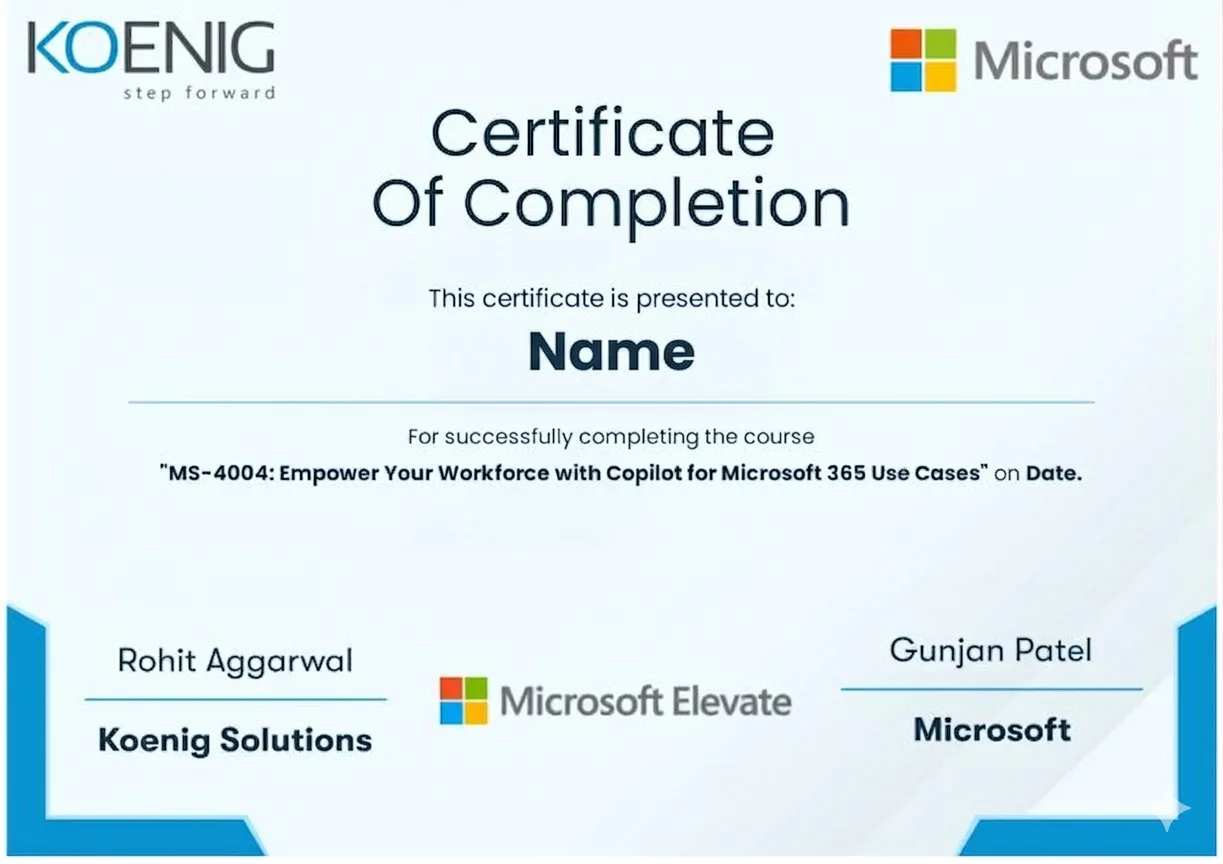
See what your official Nest certification looks like. Download a sample — then let our advisors map the fastest path to earning the real one.
Four formats. One quality standard. Every option comes with the same expert instructors, official courseware, and money-back guarantee.
Every factor that determines whether you actually pass your Nest exam — rated across every training format available.
| Criteria | Koenig | Free Platform | Self-Paced Platform | ALP Provider | Third Party Aggregator | Note |
|---|---|---|---|---|---|---|
| Trainer Quality & Credentials | ||||||
| MCT-Certified Trainers | Partial | Partial | — | |||
| Live Instructor-Led Classes | — | |||||
| 1-on-1 Private Training | — | |||||
| Google Authorisation | ||||||
| Official Google ALP Status | Partial | — | ||||
| Official Google Courseware | Partial | — | ||||
| Training Credits Accepted | Partial | — | ||||
| Flexibility & Access | ||||||
| Flexi / Any-Day Start | — | |||||
| On-Site / Fly-Me-A-Trainer | — | |||||
| Global Delivery Reach | Partial | Partial | — | |||
| Results & Trust | ||||||
| Exam Pass Rate | N/A — No formal Nest certification exam | N/A | N/A | N/A | N/A | Row omitted: unverified for this vendor |
| Entry Price (Fundamentals) | ~$745 | Free | $15-30/mo | ~$1,500+ | ~$1,400+ | — |
| Verified Learner Reviews | 18,400+ · 4.9★ | N/A | High volume | Limited | Limited | — |
Data sourced from public pricing pages and review platforms. Accurate as of March 2026. Partial = available in select regions only.
Verified reviews from learners certified on Azure, AI, Security, and more.
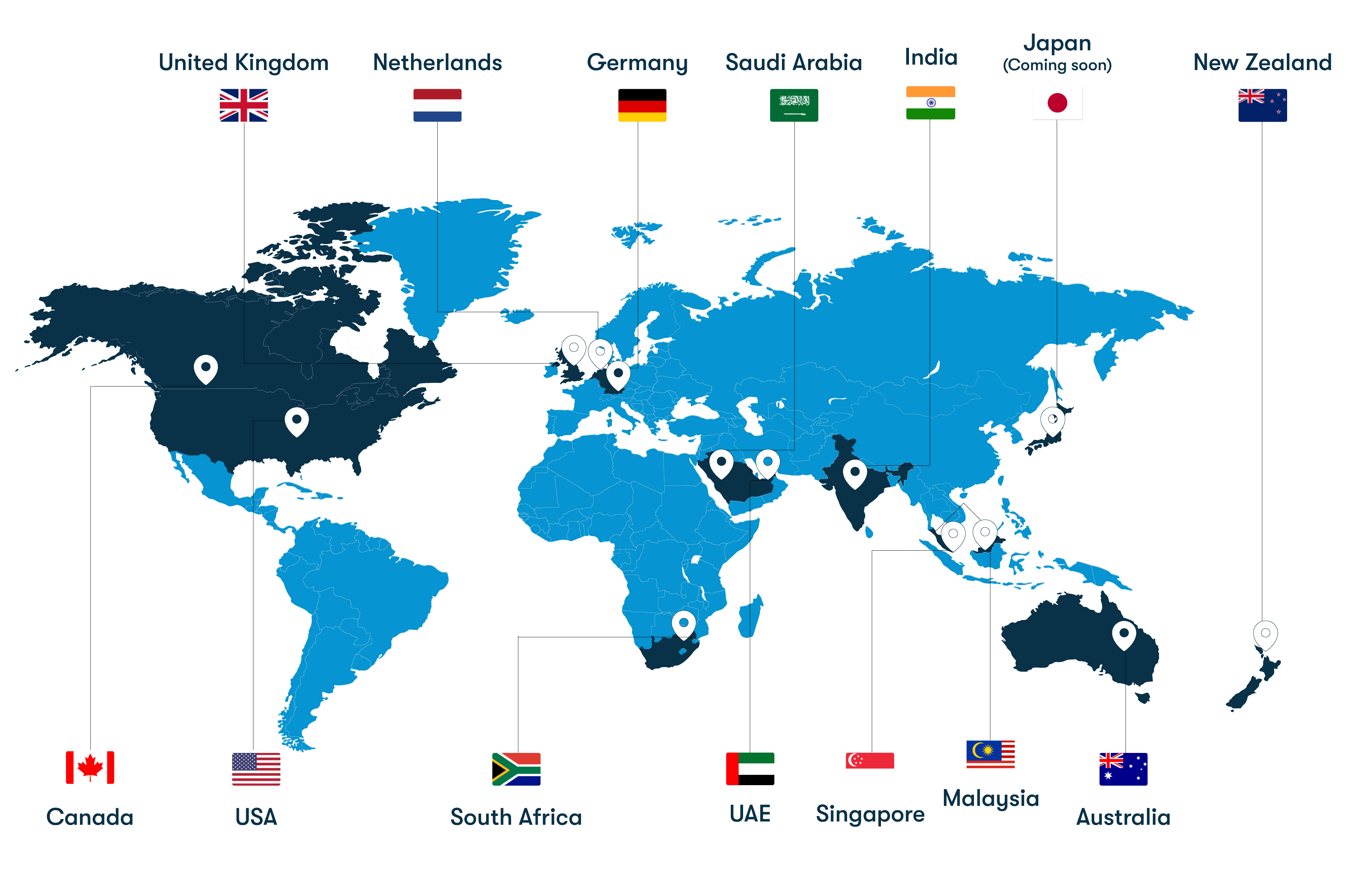
From our headquarters in India to training centers across UAE, Iraq, Saudi Arabia, UK, USA, Singapore, Australia, and more — Koenig delivers Microsoft certification training in 50+ countries.