
Unable to find what you're searching for?
We're here to help you find itDiagnose and repair high voltage traction motors, depower battery electric vehicles, and maintain HVAC cooling systems in EVs. Koenig delivers hands-on labs and real-world projects with certified trainers, leading to the AUR32721 certification.


500K+ certified professionals



























Explore Electric Vehicle (EV) certification and training courses — delivered live by certified instructors.
This Electric Vehicle (EV) course provides essential training for engineers and technicians mastering electrified propulsion. As the global EV market experiences a 35 percent annual growth rate, professionals must understand core systems like lithium-ion battery packs, which typically offer energy densities exceeding 250 Wh/kg. This curriculum aligns with industry-standard certifications, including SAE International and ASE L3, ensuring technical proficiency in power electronics, thermal management, and charging infrastructure. Enroll in this Electric Vehicle (EV) program to gain the specialized expertise required to design, maintain, and optimize sustainable transportation systems in an increasingly electrified automotive landscape.
Electrical Fundamentals
Understand Ohm's Law, circuit analysis, and basic electromagnetics principles
High Voltage Safety
Apply safety protocols for working with high-voltage DC systems in EVs
Battery Systems
Identify lithium-ion battery components, BMS functions, and thermal management
Power Electronics
Recognize inverters, converters, and electric drivetrain components in EVs
Vehicle Diagnostics
Use diagnostic tools to interpret EV error codes and system data
Charging Infrastructure
Differentiate between AC, DC fast charging, and connector standards
The building blocks every Electric Vehicle (EV) solution is made of
See what your official Electric Vehicle (EV) certification looks like. Download a sample — then let our advisors map the fastest path to earning the real one.
 EVFElectric Vehicle Fundamentals
xEV Level 1xEV Electrical Safety Awareness
xEV Level 2xEV Technician Electrical Safety
CSA EV TechnicianAutomotive EV Technician Safety
EVITPEV Infrastructure Training
EVSPElectric Vehicle Safety Professional
Official credential badges — shareable on LinkedIn
EVFElectric Vehicle Fundamentals
xEV Level 1xEV Electrical Safety Awareness
xEV Level 2xEV Technician Electrical Safety
CSA EV TechnicianAutomotive EV Technician Safety
EVITPEV Infrastructure Training
EVSPElectric Vehicle Safety Professional
Official credential badges — shareable on LinkedIn

Four formats. One quality standard. Every option comes with the same expert instructors, official courseware, and money-back guarantee.
Every factor that determines whether you actually pass your Electric Vehicle (EV) exam — rated across every training format available.
| Criteria | Koenig | Free Platform | Note | Self-Paced Platform | ALP Provider | Legacy Provider |
|---|---|---|---|---|---|---|
| Trainer expertise and credentials | ||||||
| Instructor Industry Experience | High | Low | Focuses on real-world Electric Vehicle (EV) repair scenarios. | N/A | High | High |
| ASE L3 Certification Alignment | Alignment with ASE L3 Light Duty Hybrid/Electric Vehicle Specialist standards. | Partial | ||||
| Safety Certification (NFPA 70E) | Critical for high-voltage Electric Vehicle (EV) safety compliance. | Theory only | ||||
| Curriculum and Depth | ||||||
| Battery Management Systems (BMS) | Advanced | Introductory | Depth of Electric Vehicle (EV) battery diagnostics. | Basic | Advanced | Advanced |
| Drivetrain & Power Electronics | Comprehensive | Introductory | Coverage of Electric Vehicle (EV) motor and inverter systems. | Basic | Comprehensive | Comprehensive |
| Number of Vehicle Platforms | Multiple | Breadth of Electric Vehicle (EV) hardware exposure. | Single | Multiple | Multiple | |
| Flexibility and access | ||||||
| Hands-on Lab Access | Physical | Essential for practical Electric Vehicle (EV) skill mastery. | Virtual | Physical | Physical | |
| Post-training Support | Mentorship | Availability of expert guidance for Electric Vehicle (EV) troubleshooting. | Forum | Mentorship | Mentorship | |
| Course Format | Instructor-led | On-demand | Delivery method for Electric Vehicle (EV) training. | On-demand | Instructor-led | Instructor-led |
| Results and trust | ||||||
| Hours of hands-on practice | 20+ | Verified lab hours for Electric Vehicle (EV) proficiency. | 30+ | 40+ | ||
| Certification Issuance | Certificate | Proof of completion for Electric Vehicle (EV) training. | Badge | Certificate | Certificate | |
| Industry Reputation | Established | Variable | Trust factor for Electric Vehicle (EV) career advancement. | Emerging | Established | Established |
Data sourced from public pricing pages and review platforms. Accurate as of March 2026. Partial = available in select regions only.
Verified reviews from learners certified on Azure, AI, Security, and more.
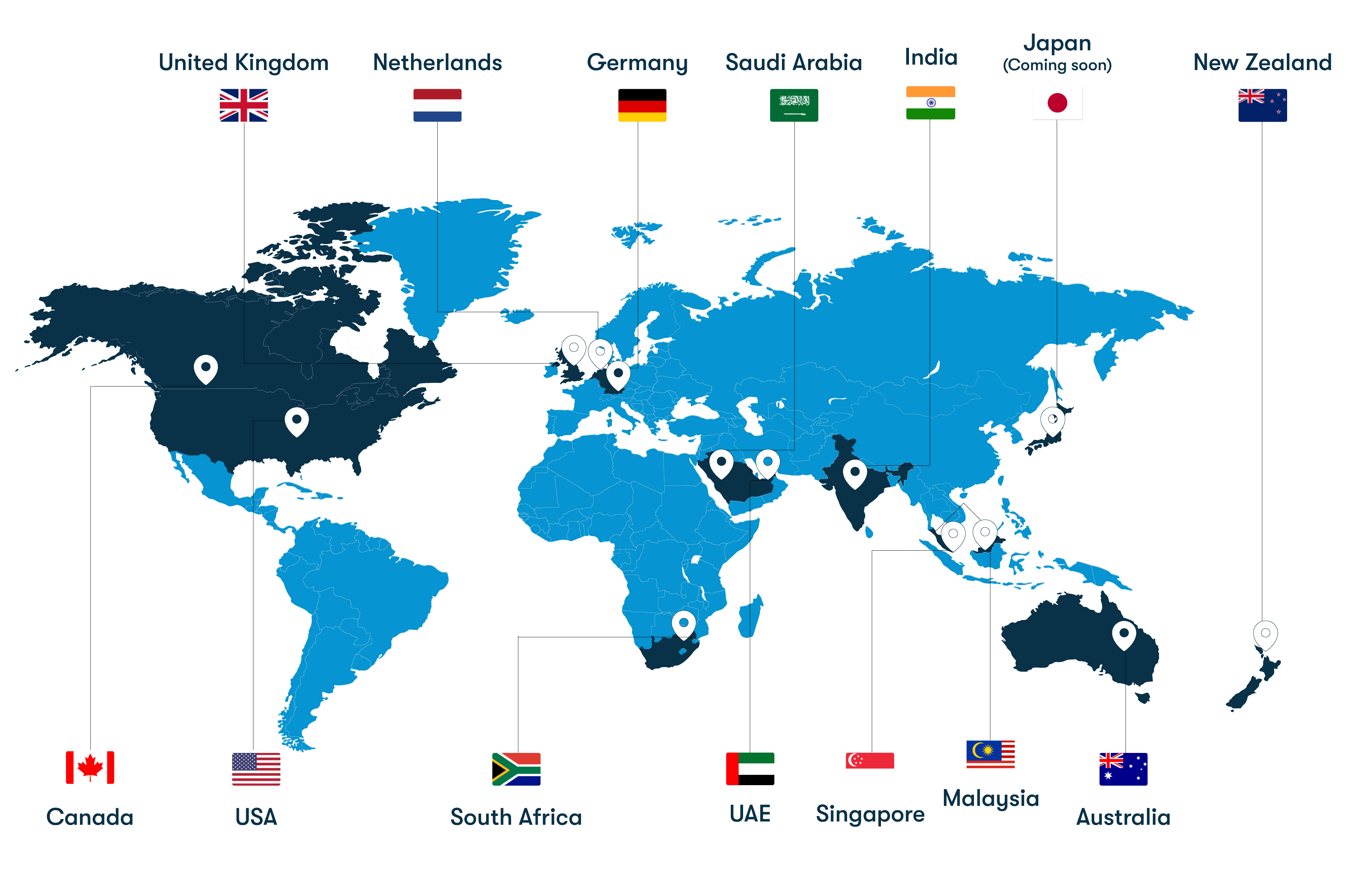
From our headquarters in India to training centers across UAE, Iraq, Saudi Arabia, UK, USA, Singapore, Australia, and more — Koenig delivers Microsoft certification training in 50+ countries.