
Unable to find what you're searching for?
We're here to help you find itDesign digital twin models, integrate IoT telemetry, and simulate system behavior using Azure Digital Twins and MATLAB & Simulink. Koenig’s officially credentialed trainers deliver hands-on labs and real-world projects aligned to the Digital Twins Expansion Certification.


500K+ certified professionals



























Explore Digital Twin certification and training courses — delivered live by certified instructors.
Digital Twin is a technology that creates virtual replicas of physical systems to simulate, monitor, and optimize real-world assets, processes, or environments. Published by vendors such as Microsoft, AWS, and Ansys, it solves operational inefficiencies by enabling data-driven decision-making through real-time synchronization between physical and digital entities. Within vendor ecosystems like Azure, it serves as a core platform for modeling complex environments using live IoT and enterprise data. Key components include Azure Digital Twins, which models entire environments using DTDL-defined twin graphs; AWS IoT TwinMaker, which integrates time series, video, and business data into entity-component models; Ansys Twin Builder, which enables simulation-based digital twins with multidomain system modeling; 3D Scenes Studio, for immersive visualization; and Twin Deployer, which packages and distributes twin models for edge or cloud deployment. This technology is for engineers, IoT developers, and operations managers who need to model, monitor, and optimize physical systems such as factories, buildings, or industrial equipment using real-time data and simulation.
IoT Fundamentals
Connect and manage sensor data from physical devices using IoT protocols
Cloud Integration
Deploy and link digital twins to cloud platforms like AWS or Azure
Data Modeling
Define twin behaviors using DTDL or similar digital twin definition languages
Simulation Basics
Run physics-based or data-driven simulations for system behavior prediction
API Management
Use REST APIs to interact with digital twin instances and services
Edge Computing
Process real-time data locally using edge devices in twin architectures
The building blocks every Digital Twin solution is made of
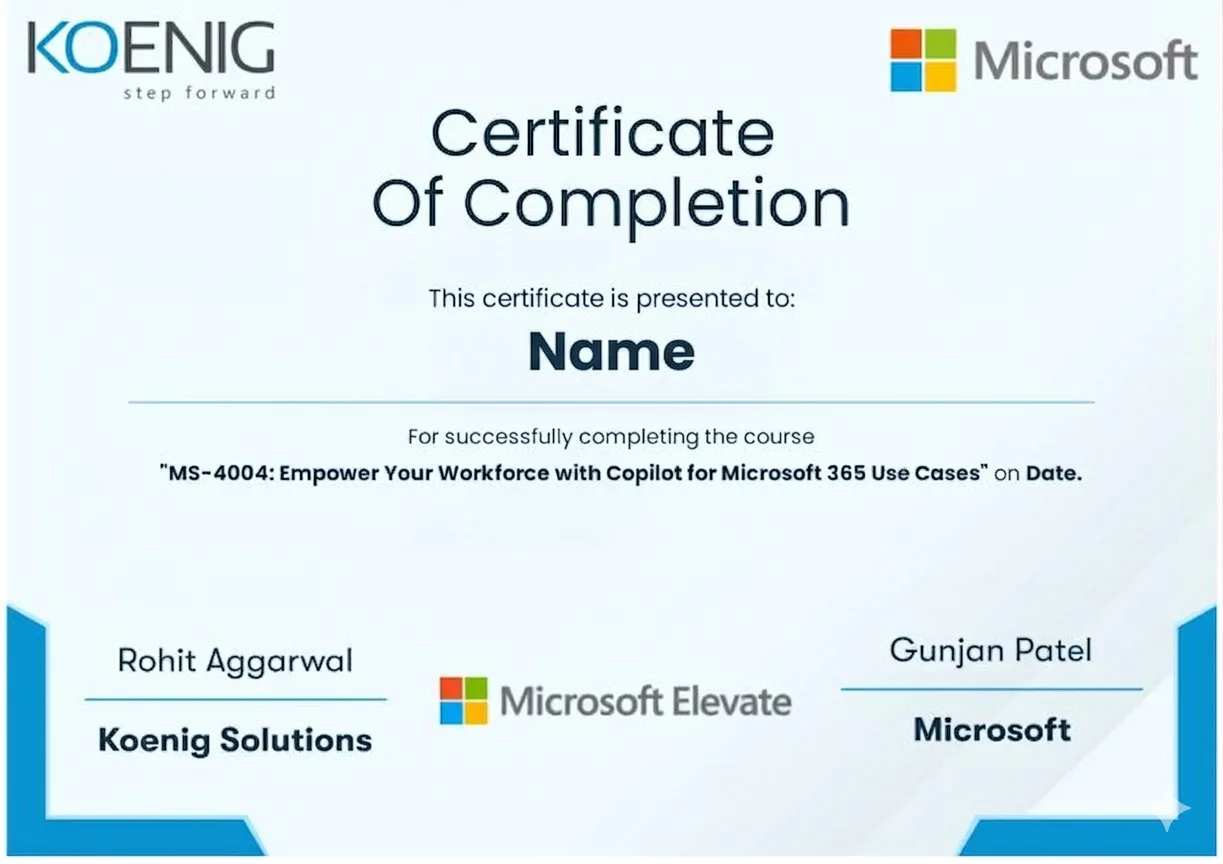
See what your official Digital Twin certification looks like. Download a sample — then let our advisors map the fastest path to earning the real one.
 AC-RADAutodesk Certified Professional: Revit for Architectural Design
AWS-CSAAWS Certified Solutions Architect – Associate
MS-AZ220Microsoft Certified: Azure IoT Developer Specialty
SIE-MNDMindSphere Developer Certification
DS-3DEXP3DEXPERIENCE Platform Associate
PTC-WNDVuforia Studio Developer Certification
Official credential badges — shareable on LinkedIn
AC-RADAutodesk Certified Professional: Revit for Architectural Design
AWS-CSAAWS Certified Solutions Architect – Associate
MS-AZ220Microsoft Certified: Azure IoT Developer Specialty
SIE-MNDMindSphere Developer Certification
DS-3DEXP3DEXPERIENCE Platform Associate
PTC-WNDVuforia Studio Developer Certification
Official credential badges — shareable on LinkedIn
Four formats. One quality standard. Every option comes with the same expert instructors, official courseware, and money-back guarantee.
Every factor that determines whether you actually pass your Digital Twin exam — rated across every training format available.
| Criteria | Koenig | ALP Provider | Legacy Provider | Self-Paced Platform | Free Platform |
|---|---|---|---|---|---|
| Trainer Quality & Credentials | |||||
| MCT-Certified Trainers | Partial | Partial | |||
| Live Instructor-Led Classes | |||||
| 1-on-1 Private Training | |||||
| Microsoft Authorisation | |||||
| Official Microsoft ALP Status | Partial | ||||
| Official MOC Courseware | Partial | ||||
| ESI / EA Credits Accepted | Partial | ||||
| Flexibility & Access | |||||
| Flexi / Any-Day Start | |||||
| On-Site / Fly-Me-A-Trainer | |||||
| Global Delivery Reach | Partial | Partial | |||
| Results & Trust | |||||
| Instructional Value | MCT-led instruction | MCT-led instruction | Varies | Self-study | Community-led |
| Pricing Model | Competitive/Corporate | Standard Market | Standard Market | Subscription | No cost |
| Verified Learner Reviews | 18,400+ · 4.9★ | Limited | Limited | High volume | N/A |
Data sourced from public pricing pages and review platforms. Accurate as of March 2026. Partial = available in select regions only.
Verified reviews from learners certified on Azure, AI, Security, and more.
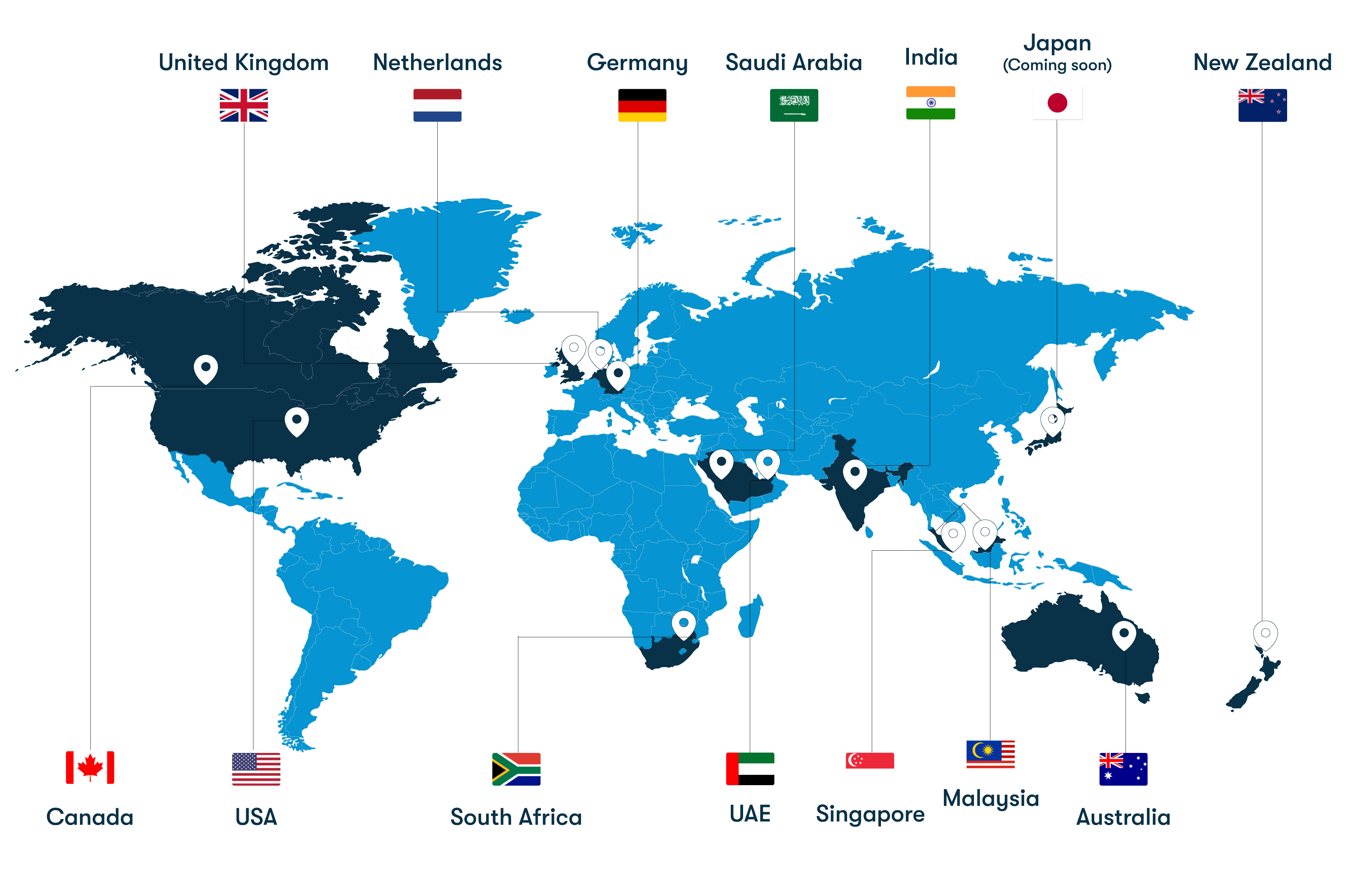
From our headquarters in India to training centers across UAE, Iraq, Saudi Arabia, UK, USA, Singapore, Australia, and more — Koenig delivers Microsoft certification training in 50+ countries.