
Unable to find what you're searching for?
We're here to help you find itMaster Digital Literacy with IC3 Global Standard 6 by building secure digital environments, creating credible content, and collaborating safely across platforms. Koenig delivers hands-on labs and expert-led training aligned to official IC3 certification domains, preparing learners for the Level 1, Level 2, and Level 3 exams.
500K+ certified professionals



























Explore Digital Literacy certification and training courses — delivered live by certified instructors.
Digital Literacy is a foundational technology skill set published by Microsoft that enables individuals to effectively use digital devices, software, and the Internet to discover, evaluate, create, and communicate information. It addresses the essential competencies needed to navigate the digital world safely and productively, forming a core component of Microsoft’s broader workforce and education readiness initiatives. The program comprises structured learning in key areas: Work with Computers, which covers basic device operations and file management; Access Information Online, focusing on effective web navigation and search techniques; Communicate Online, teaching email and messaging tools; Participate Safely and Responsibly Online, emphasizing cybersecurity and digital citizenship; Create Digital Content, involving document and media creation; and Collaborate and Manage Content Digitally, which enables teamwork using cloud-based productivity tools. This technology is for individuals with basic reading skills who seek to build essential digital competencies, including students, job seekers, and adult learners entering or re-entering the workforce. It equips them with practical, real-world skills to engage confidently in education, employment, and daily life within a connected society.
Device Navigation
Access and navigate between digital environments using operating systems and web browsers
Hardware Fundamentals
Identify computing devices, memory types, and data storage concepts
Software Basics
Explain software application concepts and install programs from online sources
Network Connectivity
Describe network types, online connectivity, and identify device connection status
Digital Communication
Interact with others in digital environments using messaging and collaboration tools
Security Awareness
Recognize security threats and apply password and device protection methods
The building blocks every Digital Literacy solution is made of
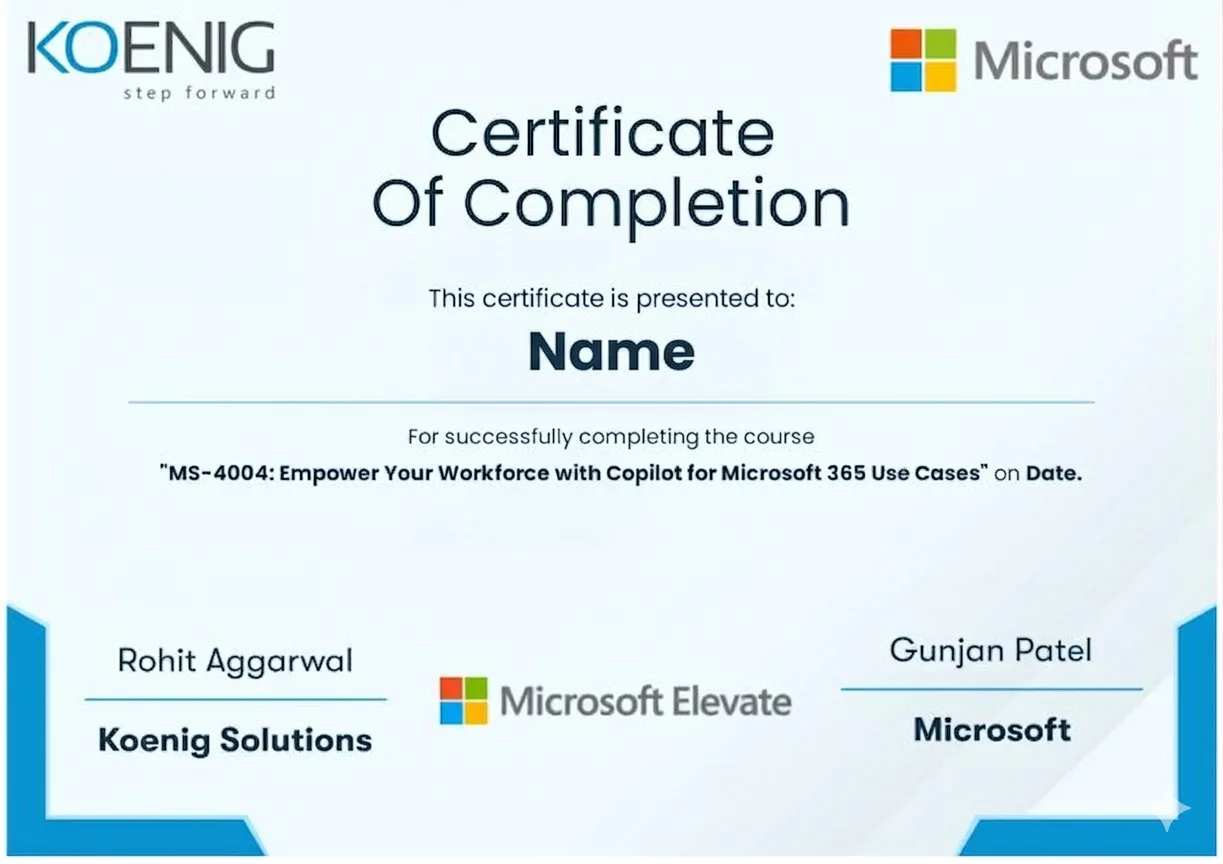
See what your official Digital Literacy certification looks like. Download a sample — then let our advisors map the fastest path to earning the real one.
 IC3 GS6 Level 1Digital Literacy Level 1
IC3 GS6 Level 2Digital Literacy Level 2
IC3 GS6 Level 3Digital Literacy Level 3
IC3 GS5 Computing FundamentalsComputing Fundamentals
IC3 GS5 Key ApplicationsKey Applications
IC3 GS5 Living OnlineLiving Online
Official credential badges — shareable on LinkedIn
IC3 GS6 Level 1Digital Literacy Level 1
IC3 GS6 Level 2Digital Literacy Level 2
IC3 GS6 Level 3Digital Literacy Level 3
IC3 GS5 Computing FundamentalsComputing Fundamentals
IC3 GS5 Key ApplicationsKey Applications
IC3 GS5 Living OnlineLiving Online
Official credential badges — shareable on LinkedIn
Four formats. One quality standard. Every option comes with the same expert instructors, official courseware, and money-back guarantee.
Every factor that determines whether you actually pass your Digital Literacy exam — rated across every training format available.
| Criteria | Koenig | ALP Provider | Legacy Provider | Self-Paced Platform | Free Platform |
|---|---|---|---|---|---|
| Trainer Expertise & Certification | |||||
| OpenEDG Certified Instructors | |||||
| Live Instructor-Led Training | Partial | ||||
| 1-on-1 Private Mentoring | |||||
| OpenEDG Official Authorization | |||||
| Official OpenEDG ALP Status | |||||
| Official OpenEDG Courseware | Partial | Partial | |||
| Training Credits Accepted | |||||
| Flexibility & Global Reach | |||||
| Any-Day/Flexi Start Dates | |||||
| On-Site/Custom Delivery | |||||
| Global Delivery Network | Partial | Partial | |||
| Results & Proven Trust | |||||
| Exam Pass Rate Success | Data Unavailable | Data Unavailable | Data Unavailable | Data Unavailable | Data Unavailable |
| Entry Price (Fundamentals) | ~$745 · best value | ~$1,500+ | $15-30/mo | Free | Free |
| Verified Learner Reviews | 18,400+ · 4.9★ | Limited | Limited | N/A | N/A |
Data sourced from public pricing pages and review platforms. Accurate as of March 2026. Partial = available in select regions only.
Verified reviews from learners certified on Azure, AI, Security, and more.
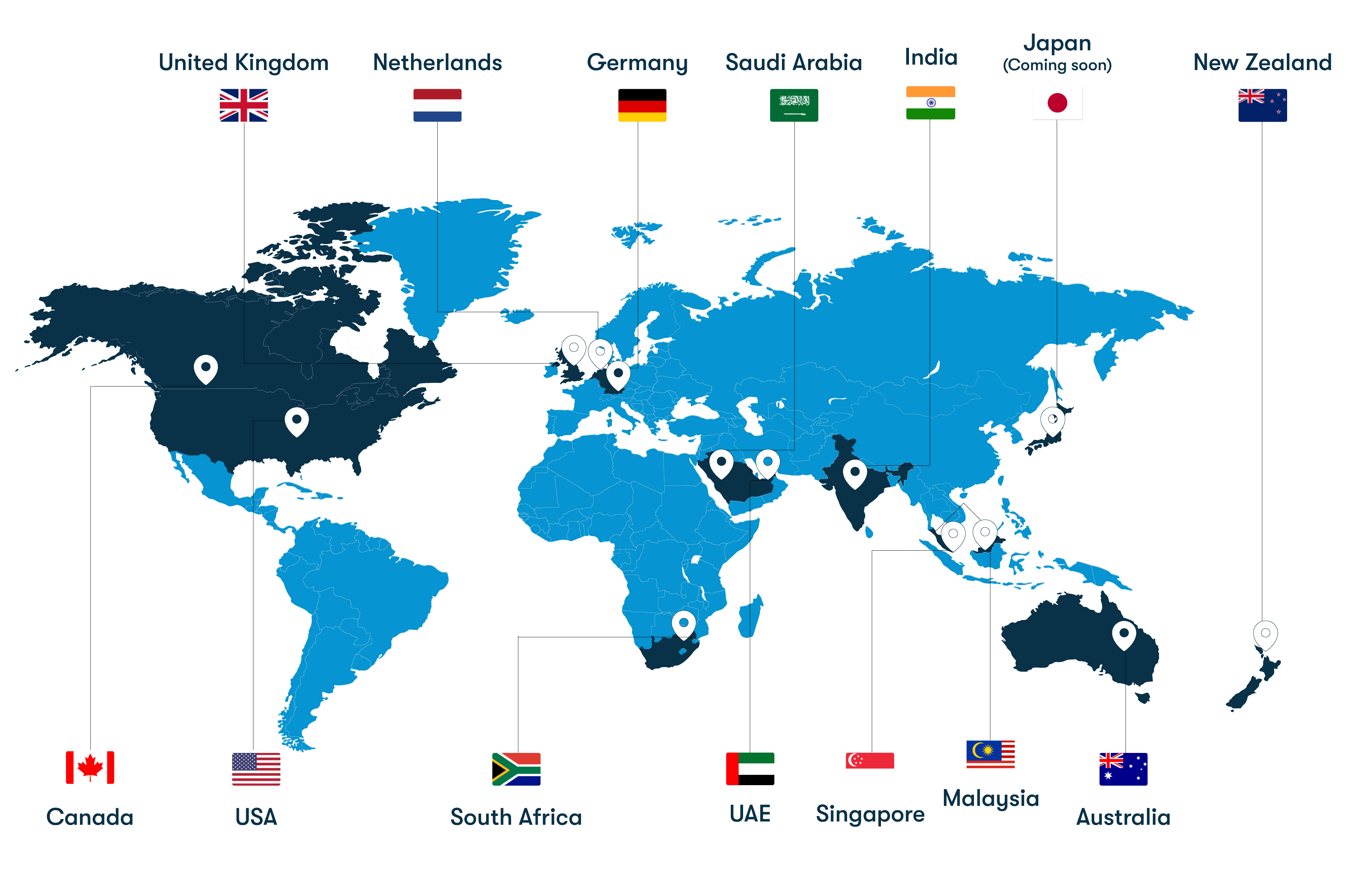
From our headquarters in India to training centers across UAE, Iraq, Saudi Arabia, UK, USA, Singapore, Australia, and more — Koenig delivers Microsoft certification training in 195+ countries.