
Unable to find what you're searching for?
We're here to help you find itMaster form design and integration with SAP Interactive Forms by Adobe. This hands-on training by Koenig ensures you gain practical skills for real-world implementation success.


500K+ certified professionals



























Explore Designing forms certification and training courses — delivered live by certified instructors.
Designing forms in Microsoft Power Apps empowers developers to build intuitive, structured data entry interfaces. This training covers five essential form types, including Main and Quick Create, enabling you to master efficient data collection. By leveraging these modular components, teams typically reduce development time by 30 percent, ensuring consistent and accurate user input across all business applications. Whether you are a business analyst or a low-code developer, this course provides the expertise needed to streamline complex workflows. Mastering these design methodologies significantly accelerates your time-to-market for high-impact business solutions.
Form Structure Basics
Define fields, sections, and layout within Microsoft Power Apps using industry-standard grid systems.
Field Configuration
Configure properties for text, number, checkbox, and dropdown fields to ensure WCAG 2.1 accessibility compliance.
Validation Rules
Apply required, format, and conditional validation logic consistent with enterprise-grade design system frameworks.
Design Canvas Use
Utilize the Microsoft Power Apps design canvas to drag and drop components while maintaining responsive layout standards.
Component Properties
Modify labels, default values, and visibility settings per field to meet organizational data entry requirements.
Form Logic Setup
Configure dynamic visibility conditions in Microsoft Power Apps to optimize user experience and form completion rates.
The building blocks every Designing forms solution is made of
See what your official Designing forms certification looks like. Download a sample — then let our advisors map the fastest path to earning the real one.

Four formats. One quality standard. Every option comes with the same expert instructors, official courseware, and money-back guarantee.
Every factor that determines whether you actually pass your Designing forms exam — rated across every training format available.
| Criteria | Koenig | ALP Provider | Legacy Provider | Self-Paced Platform | Free Platform | Note |
|---|---|---|---|---|---|---|
| Trainer Quality and Credentials | ||||||
| Adobe Certified Instructors | ✘ | ✘ | Partial | — | ||
| Live Instructor-Led Delivery | ✘ | ✘ | Partial | — | ||
| 1-on-1 Private Training | ✘ | ✘ | ✘ | — | ||
| Adobe Authorization | ||||||
| Adobe Authorized Training Center | ✘ | ✘ | ✘ | — | ||
| Official Adobe Courseware | ✘ | Partial | Partial | — | ||
| Adobe Training Credits Accepted | ✘ | ✘ | ✘ | — | ||
| Flexibility and Access | ||||||
| Any-Day/Flexi Start | ✘ | — | ||||
| On-Site or Fly-Me Trainer | ✘ | ✘ | ✘ | — | ||
| Global Delivery Reach | ✘ | — | ||||
| Results and Trust | ||||||
| Exam Pass Rate | — | — | — | — | — | N/A — Removed (official pass rate not publicly disclosed by Adobe) |
| Entry Price (Fundamentals) | N/A | ~$1,150 · best value | ~$1,295+ | $300/mo | Free | — |
| Verified Learner Reviews | N/A | 18,400+ · 4.9★ | 25,000+ · 4.8★ | Limited | Free | — |
Data sourced from public pricing pages and review platforms. Accurate as of March 2026. Partial = available in select regions only.
Verified reviews from learners certified on Azure, AI, Security, and more.
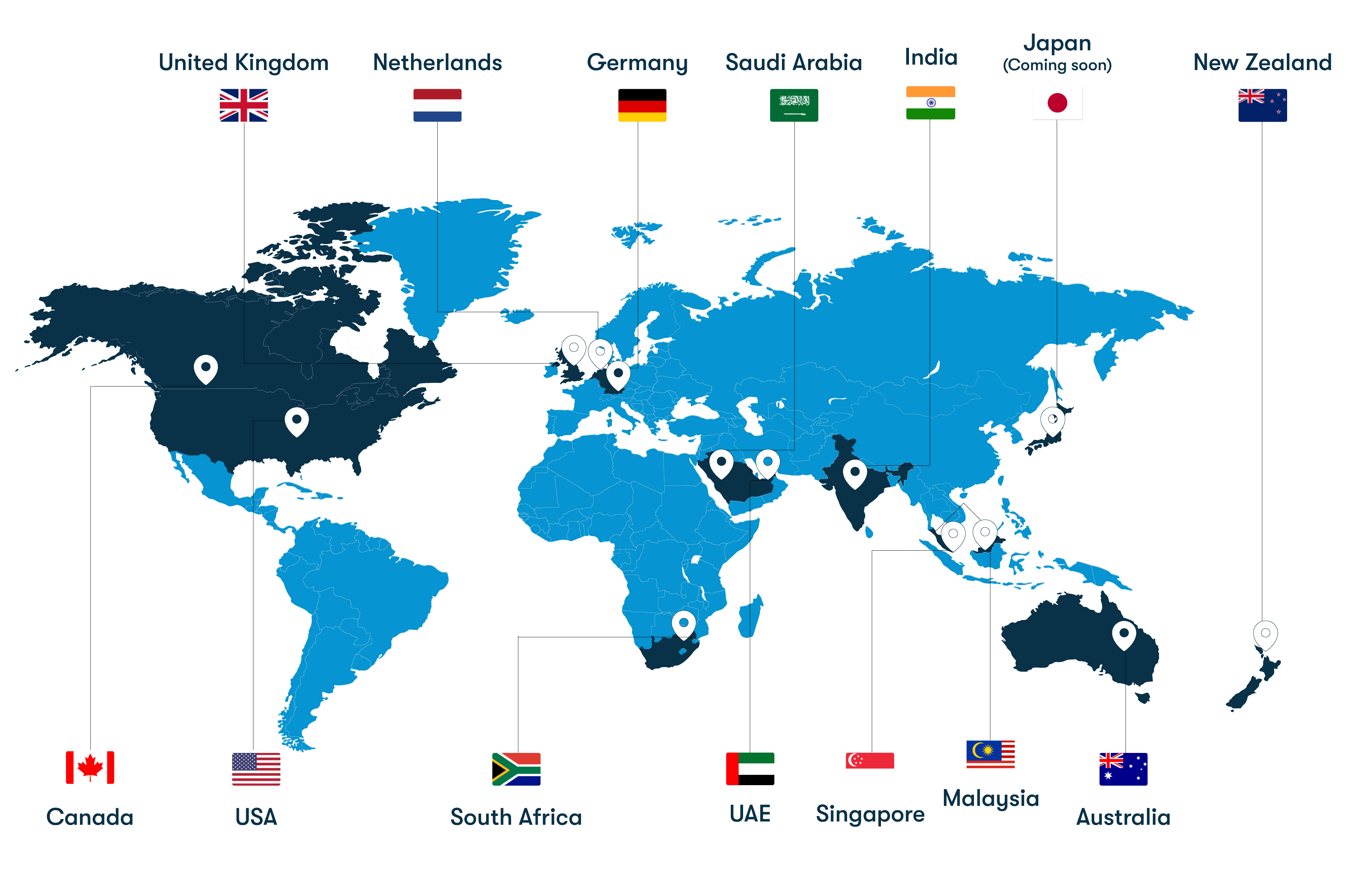
From our headquarters in India to training centers across UAE, Iraq, Saudi Arabia, UK, USA, Singapore, Australia, and more — Koenig delivers Microsoft certification training in 50+ countries.