
Unable to find what you're searching for?
We're here to help you find itBuild native iOS and Android apps with Flutter, create hybrid mobile applications using Ionic Framework, and deploy Progressive Web Apps with Capacitor. Koenig delivers hands-on training by officially credentialed instructors, real-world labs, and certification preparation for Flutter and Ionic professionals.


500K+ certified professionals



























Explore Cross Platform certification and training courses — delivered live by certified instructors.
Microsoft .NET MAUI is the industry standard for Cross Platform development, enabling you to build native applications for iOS, Android, and Windows from a single codebase. This approach achieves typically 80-90% code reuse, significantly reducing development time and maintenance overhead. By leveraging C# and .NET, developers access native APIs while maintaining a consistent user experience across all devices. This course empowers software engineers to streamline their workflows, ensuring high-performance results. Master the modern .NET MAUI ecosystem to deliver scalable, professional-grade mobile and desktop solutions efficiently while minimizing platform-specific effort and maximizing your overall productivity.
Core Concepts
Understand shared codebases and platform-specific implementations in cross-platform development
UI Frameworks
Work with XAML or AXAML for declarative cross-platform user interface design
Development Tools
Use Visual Studio with .NET MAUI or Avalonia UI tooling
Native Integration
Access device features like sensors, camera, and GPS across platforms
App Lifecycle
Manage cross-platform application states and lifecycle events
Build Systems
Configure single-project multi-targeting for Android, iOS, and desktop
The building blocks every Cross Platform solution is made of
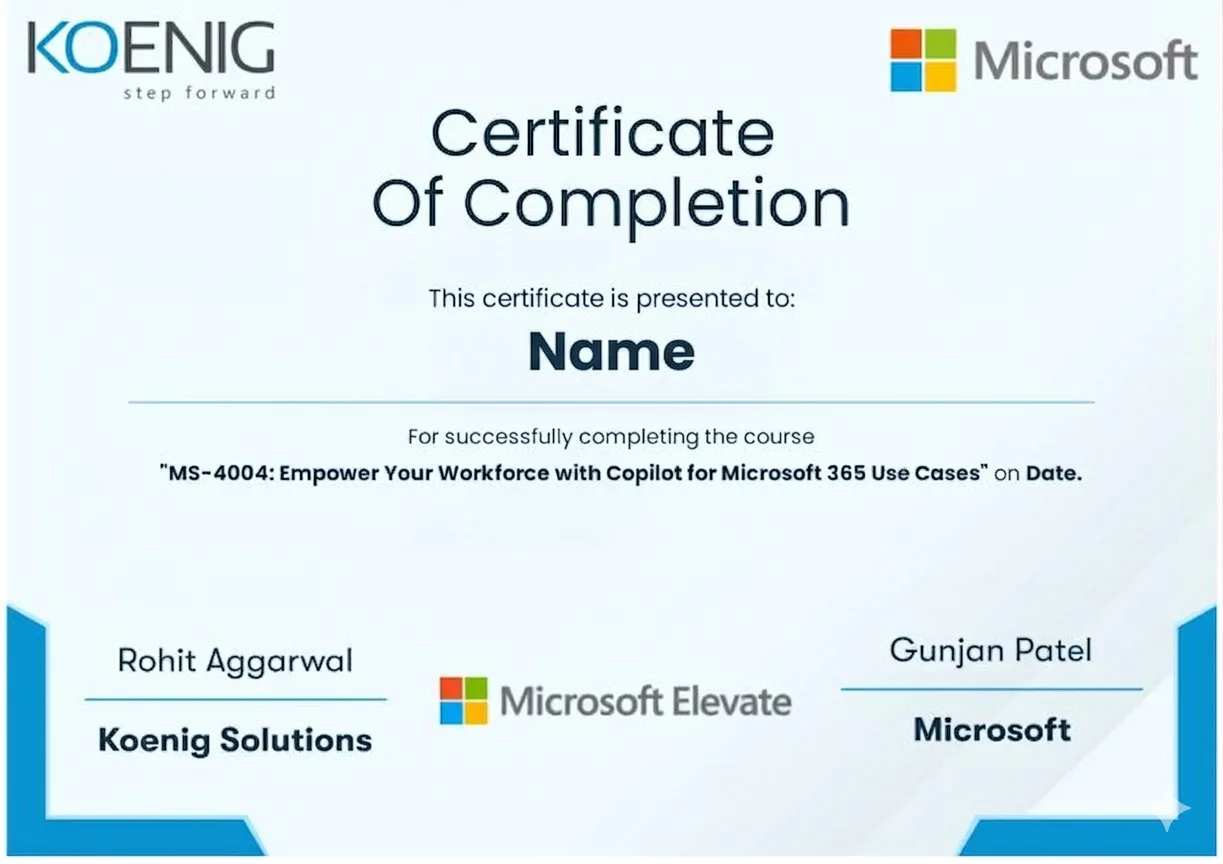
See what your official Cross Platform certification looks like. Download a sample — then let our advisors map the fastest path to earning the real one.
 AZ-204Microsoft Certified: Azure Developer Associate
Associate Android DeveloperGoogle Associate Android Developer
Official credential badges — shareable on LinkedIn
AZ-204Microsoft Certified: Azure Developer Associate
Associate Android DeveloperGoogle Associate Android Developer
Official credential badges — shareable on LinkedIn
Four formats. One quality standard. Every option comes with the same expert instructors, official courseware, and money-back guarantee.
Every factor that determines whether you actually pass your Cross Platform exam — rated across every training format available.
| Criteria | Koenig | Free Platform | Self-Paced Platform | Authorized Partner | Independent Provider |
|---|---|---|---|---|---|
| Trainer quality and credentials | |||||
| MCT-Certified Trainers | Partial | Partial | |||
| Live Instructor-Led Classes | |||||
| 1-on-1 Private Training | |||||
| Microsoft Authorisation | |||||
| Official Microsoft ALP Status | Partial | ||||
| Official MOC Courseware | Partial | ||||
| ESI / EA Credits Accepted | Partial | ||||
| Flexibility and access | |||||
| Flexi / Any-Day Start | |||||
| On-Site / Fly-Me-A-Trainer | |||||
| Global Delivery (50+ countries) | Partial | Partial | |||
| Results and trust | |||||
| Exam Pass Rate | 95% vs 60–70% industry avg | Variable | Not tracked | ~70–75% | Not published |
| Entry Price (Fundamentals) | ~$745 | Free | $15-30/mo | ~$1,500+ | ~$1,400+ |
| Verified Student Reviews | 18,400+ · 4.9★ | N/A | N/A | Limited | Limited |
Data sourced from public pricing pages and review platforms. Accurate as of March 2026. Partial = available in select regions only.
Verified reviews from learners certified on Azure, AI, Security, and more.
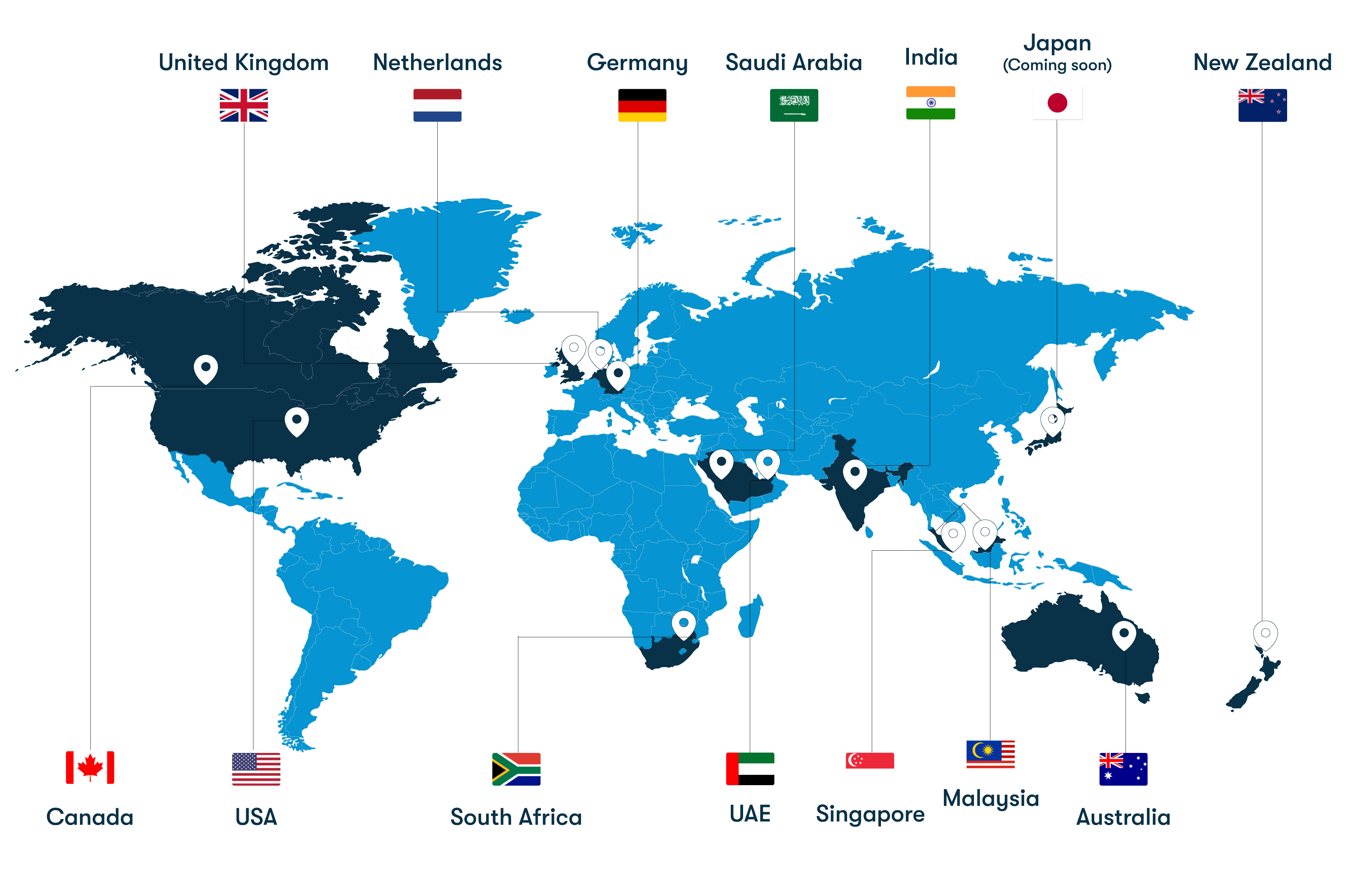
From our headquarters in India to training centers across UAE, Iraq, Saudi Arabia, UK, USA, Singapore, Australia, and more — Koenig delivers Microsoft certification training in 50+ countries.