
Unable to find what you're searching for?
We're here to help you find itDesign intelligent building models, coordinate multidisciplinary teams using Autodesk Construction Cloud, and automate workflows with Dynamo. Koenig delivers hands-on BIM training through officially credentialed instructors and real-world projects leading to Autodesk Certified Professional certification.


500K+ certified professionals



























Explore Building Information Modeling (BIM) certification and training courses — delivered live by certified instructors.
Building Information Modeling (BIM) by Autodesk is the holistic process of creating and managing information for a built asset. It integrates multidisciplinary data into an intelligent cloud-based model to support decision-making across the lifecycle of buildings and infrastructure. This course covers core components including Revit for design, Civil 3D for civil engineering, Navisworks for coordination, Forma for site planning, and ReCap Pro for reality capture. These tools enable integrated workflows for modeling, analysis, and simulation. This technology is for professionals who require coordinated, data-rich models to improve accuracy, reduce risk, and optimize designs across the entire project lifecycle.
BIM Fundamentals
Explain core BIM concepts, workflows, and lifecycle data management
Revit Proficiency
Use Autodesk Revit for intelligent 3D modeling and documentation
Model Coordination
Perform clash detection and 3D coordination using Navisworks or ACC
CDE Management
Manage file sharing, access permissions, and issue tracking in ACC
BIM Standards
Apply ISO 19650 principles and organizational BIM execution plans
Data Integration
Work with point clouds and align multidisciplinary model data
The building blocks every Building Information Modeling (BIM) solution is made of
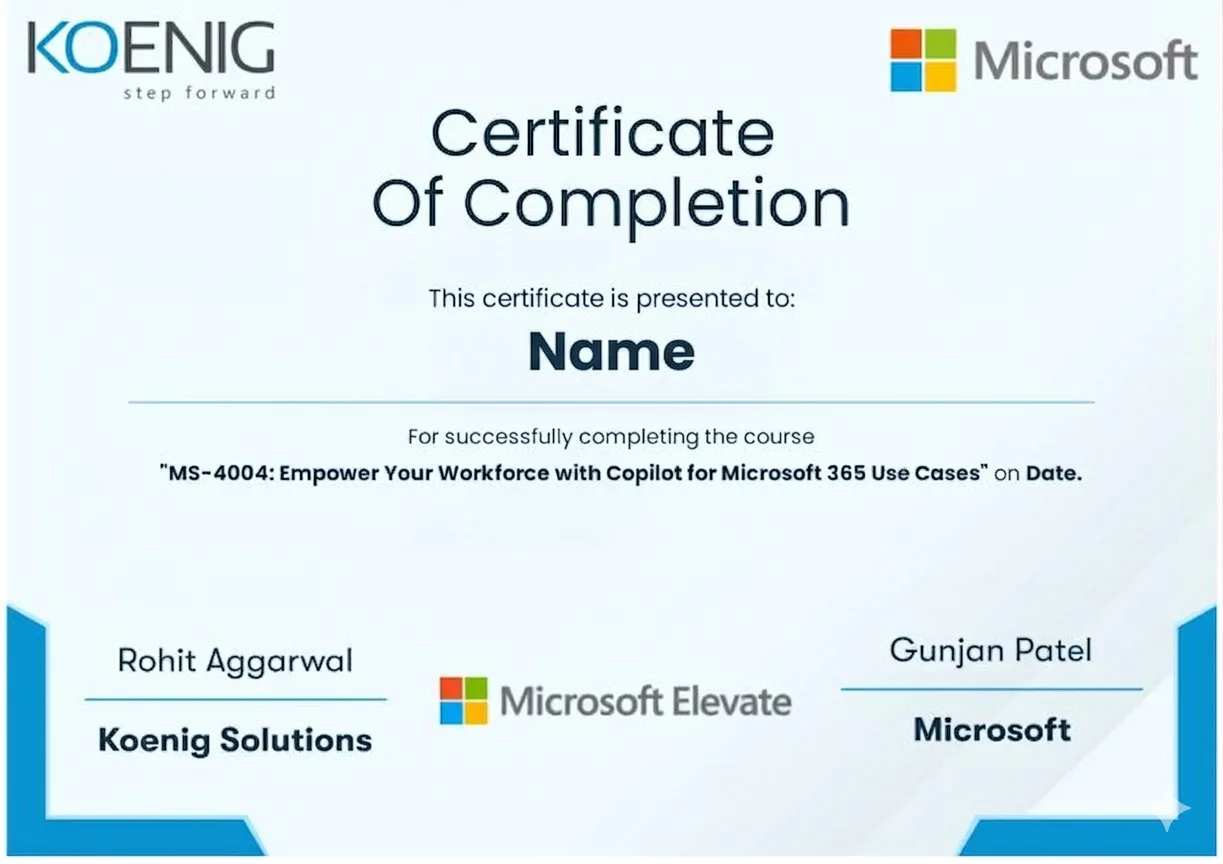
See what your official Building Information Modeling (BIM) certification looks like. Download a sample — then let our advisors map the fastest path to earning the real one.
 ACPRADAutodesk Certified Professional in Revit for Architectural Design
ACARADAutodesk Certified Associate in Revit for Architectural Design
ACPRSDAutodesk Certified Professional in Revit for Structural Design
ACPRMDAutodesk Certified Professional in Revit for Mechanical Design
BS-PRObuildingSMART Professional Certification
BS-INDbuildingSMART Individual Qualification
Official credential badges — shareable on LinkedIn
ACPRADAutodesk Certified Professional in Revit for Architectural Design
ACARADAutodesk Certified Associate in Revit for Architectural Design
ACPRSDAutodesk Certified Professional in Revit for Structural Design
ACPRMDAutodesk Certified Professional in Revit for Mechanical Design
BS-PRObuildingSMART Professional Certification
BS-INDbuildingSMART Individual Qualification
Official credential badges — shareable on LinkedIn
Four formats. One quality standard. Every option comes with the same expert instructors, official courseware, and money-back guarantee.
Every factor that determines whether you actually pass your Building Information Modeling (BIM) exam — rated across every training format available.
| Criteria | Koenig | Free Platform | Self-Paced Platform | ALP Provider | Legacy Provider | Note |
|---|---|---|---|---|---|---|
| Trainer Quality & Credentials | ||||||
| Autodesk Certified Instructor (ACI) | ✖ | ✖ | ✖ | — | ||
| Live Instructor-Led Delivery | ✖ | ✖ | Partial | — | ||
| 1-on-1 Private Training | ✖ | ✖ | ✖ | ✖ | — | |
| Autodesk Authorization | ||||||
| Official Autodesk ALP Status | ✖ | ✖ | — | |||
| Official Courseware (Revit/Civil 3D) | Partial | Partial | — | |||
| ESI / EA Credits Accepted | ✖ | ✖ | ✖ | — | ||
| Flexibility & Access | ||||||
| Any-Day/Flexi Start | ✖ | ✖ | — | |||
| On-Site or Fly-Me-A-Trainer | ✖ | ✖ | ✖ | Partial | — | |
| Global Delivery Reach | Partial | Partial | — | |||
| Results & Trust | ||||||
| Exam Pass Rate | N/A | N/A | N/A | N/A | Verified Building Information Modeling (BIM) success rates. | |
| Entry Price (Instructor-Led vs Subscription) | ~$745 (Instructor-Led) | Free (Subscription) | Free (Subscription) | ~$1,500+ (Instructor-Led) | $15-30/mo (Subscription) | — |
| Verified Learner Reviews | 18,400+ · 4.9★ | N/A | Limited | Limited | Limited | — |
Data sourced from public pricing pages and review platforms. Accurate as of March 2026. Partial = available in select regions only.
Verified reviews from learners certified on Azure, AI, Security, and more.
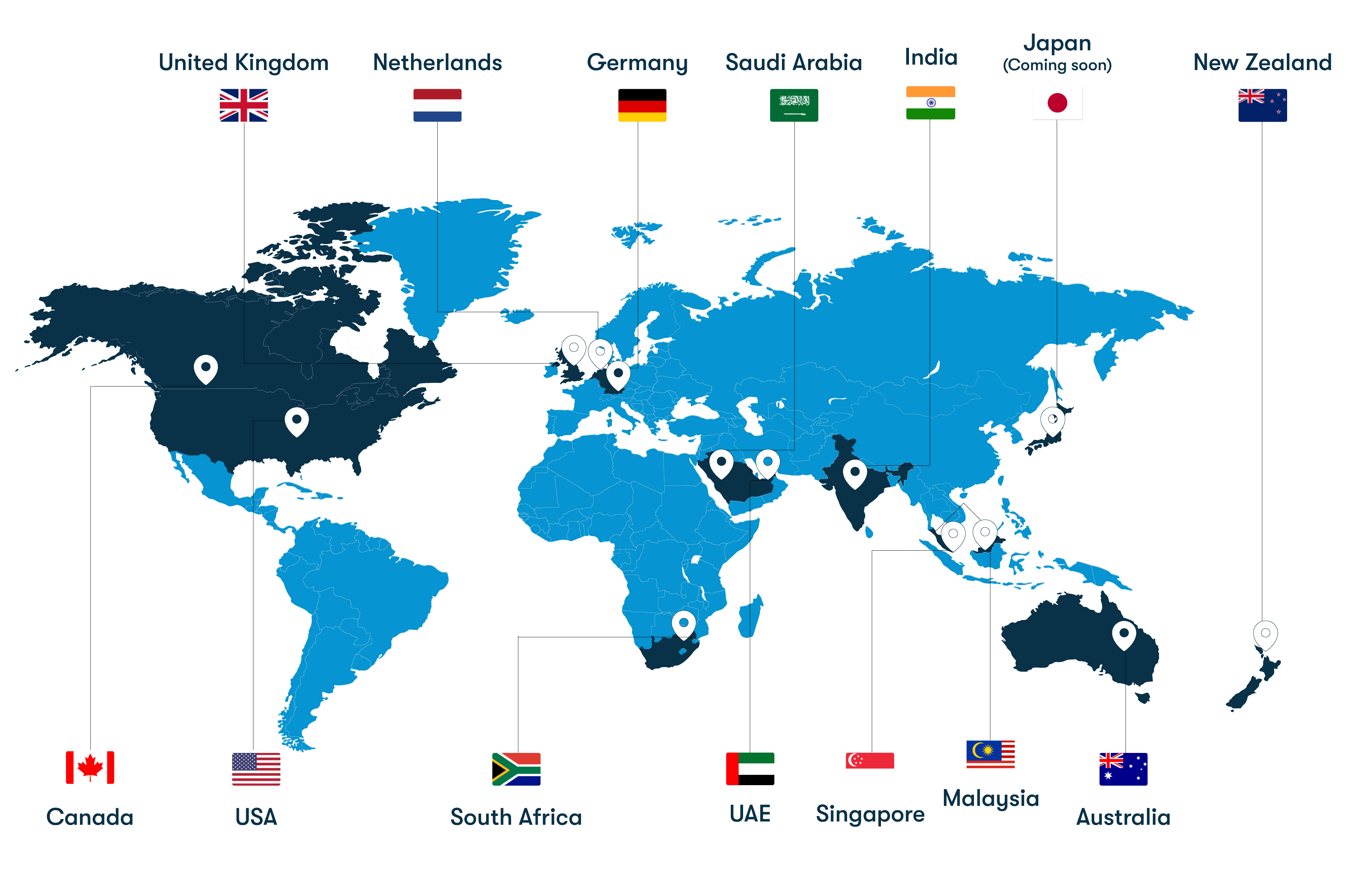
From our headquarters in India to training centers across UAE, Iraq, Saudi Arabia, UK, USA, Singapore, Australia, and more — Koenig delivers Microsoft certification training in 50+ countries.