
Unable to find what you're searching for?
We're here to help you find itMaster AV system design through Koenig’s expert-led labs, covering networked infrastructure and client needs to prepare for your CTS-D certification exam.


500K+ certified professionals



























Explore AV System Design certification and training courses — delivered live by certified instructors.
AV System Design is a technical discipline focused on planning and integrating audiovisual technologies into physical environments, published by AVIXA and other infrastructure vendors to solve complex signal distribution, control, and user interface challenges in commercial and institutional spaces. It sits at the core of modern AV deployment, enabling scalable, reliable, and interoperable systems across diverse environments. Key components include Crestron DMPS-[100/200/300]-C Digital Media Presentation System for integrated switching and control, DM NVX-36x Series encoders and decoders for 4K60 4:4:4 AV-over-IP distribution, DM NVX Director for centralized system management, and SFP transceiver modules for flexible fiber connectivity. These elements work together to support audio matrix switching, video transcoding, networked AV transport, and unified control processing over standard Ethernet infrastructures. AV System Design is for AV consultants, system integrators, and technology managers who require standardized, future-ready deployments that ensure signal integrity, system scalability, and seamless user operation across corporate, education, and healthcare environments.
CTS Certification
Hold a valid CTS certification and be in good standing
Needs Assessment
Identify client AV requirements and business environment constraints
Signal Fundamentals
Understand audio, video and control signal types and properties
CAD Software
Use CAD tools to produce AV infrastructure and system drawings
IT Collaboration
Coordinate with IT teams on network, security and IP protocols
Design Math
Apply Ohm’s Law, Inverse Square Law and audio video calculations
The building blocks every AV System Design solution is made of
See what your official AV System Design certification looks like. Download a sample — then let our advisors map the fastest path to earning the real one.
 CTSCertified Technology Specialist
CTS-DCertified Technology Specialist - Design
CTS-ICertified Technology Specialist - Installation
CCPCrestron Certified Programmer
EAVAExtron AV Associate
Dante-L1Dante Certification Level 1
Official credential badges — shareable on LinkedIn
CTSCertified Technology Specialist
CTS-DCertified Technology Specialist - Design
CTS-ICertified Technology Specialist - Installation
CCPCrestron Certified Programmer
EAVAExtron AV Associate
Dante-L1Dante Certification Level 1
Official credential badges — shareable on LinkedIn
Four formats. One quality standard. Every option comes with the same expert instructors, official courseware, and money-back guarantee.
Every factor that determines whether you actually pass your AV System Design exam — rated across every training format available.
| Criteria | Koenig | ALP Provider | Legacy Provider | Self-Paced Platform | Free Platform |
|---|---|---|---|---|---|
| Trainer Quality & Credentials | |||||
| CTS-D/CTS-I Certified Trainers | ✘ | ✘ | ✘ | ||
| Live Instructor-Led Delivery | Partial | ✘ | ✘ | ||
| 1-on-1 Private Training | ✘ | ✘ | ✘ | ✘ | |
| AVIXA Authorization | |||||
| Official AVIXA ALP Status | ✘ | ✘ | |||
| Official AVIXA Courseware | ✘ | ✘ | |||
| RU Provider Program | ✘ | ✘ | |||
| Flexibility & Access | |||||
| Any-Day/Flexi Start | ✘ | ✘ | |||
| On-Site or Fly-Me Trainer | ✘ | Partial | ✘ | ✘ | |
| Global Delivery Reach | Partial | Partial | |||
| Results & Trust | |||||
| Entry Price (Fundamentals) | ~$745 · best value | ~$1,500+ | $15-30/mo | Free | Free |
| Verified Learner Reviews | 2,340+ · 4.8★ | Limited | Limited | N/A | N/A |
Data sourced from public pricing pages and review platforms. Accurate as of March 2026. Partial = available in select regions only.
Verified reviews from learners certified on Azure, AI, Security, and more.
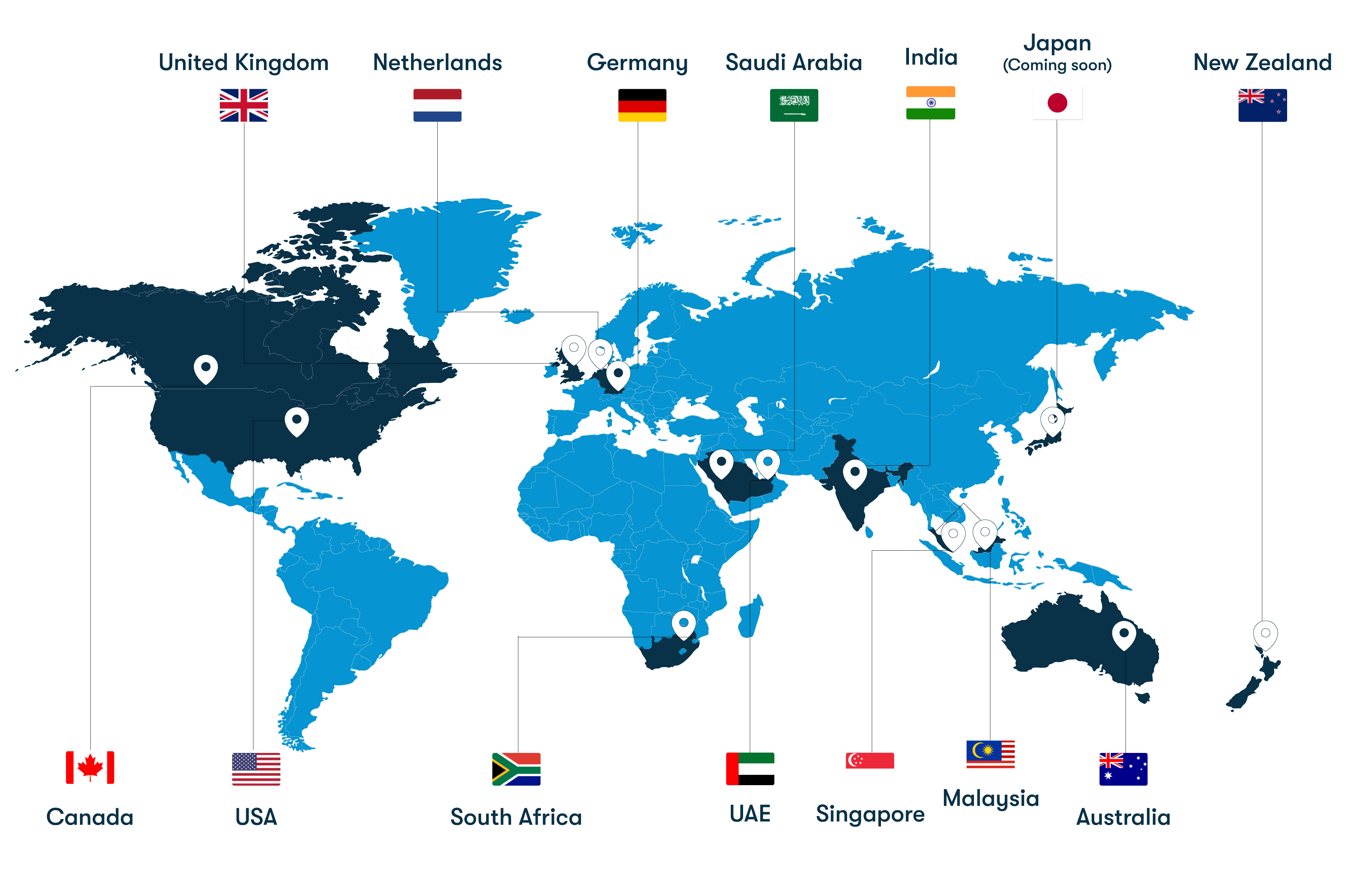
From our headquarters in India to training centers across UAE, Iraq, Saudi Arabia, UK, USA, Singapore, Australia, and more — Koenig delivers Microsoft certification training in 50+ countries.