
Unable to find what you're searching for?
We're here to help you find itAutomotive Testing mastery through Koenig ensures you apply ISO 26262 and AUTOSAR standards effectively. Gain hands-on expertise and earn your official CT-AuT certification.


500K+ certified professionals


























Explore Automotive Testing certification and training courses — delivered live by certified instructors.
Automotive Testing is a standardized framework for validating vehicle systems, published by ASAM to ensure interoperability and consistency across development and testing toolchains. It addresses the growing complexity of software-defined and autonomous vehicles by enabling reusable, exchangeable test specifications throughout the validation lifecycle. The technology integrates into ASAM’s broader suite of standards for measurement, simulation, and data management. Key components include ASAM OTX for test sequence description and exchange, ASAM XIL for hardware-in-the-loop and scenario-based testing, ASAM ODS for test data management and analysis, and ASAM OpenSCENARIO and ASAM OpenDRIVE for simulation-based validation of automated driving functions. These modules support end-to-end workflows from test design to execution and reporting. Automotive Testing is designed for validation engineers, test automation specialists, and systems architects in OEMs, Tier-1 suppliers, and engineering service providers who require standardized, scalable methods to verify complex vehicle functions across physical and virtual environments.
ISTQB CTFL Certification
Hold the ISTQB Certified Tester Foundation Level certificate
Software Testing Fundamentals
Apply basic test techniques and test lifecycle concepts
E/E Systems Knowledge
Understand automotive electrical and electronic system architecture
Automotive Standards Awareness
Recognize key standards like ISO 26262 and Automotive SPICE
Test Environment Tools
Work with MiL, SiL, and HiL test setups
AUTOSAR Basics
Navigate AUTOSAR architecture and software components
The building blocks every Automotive Testing solution is made of
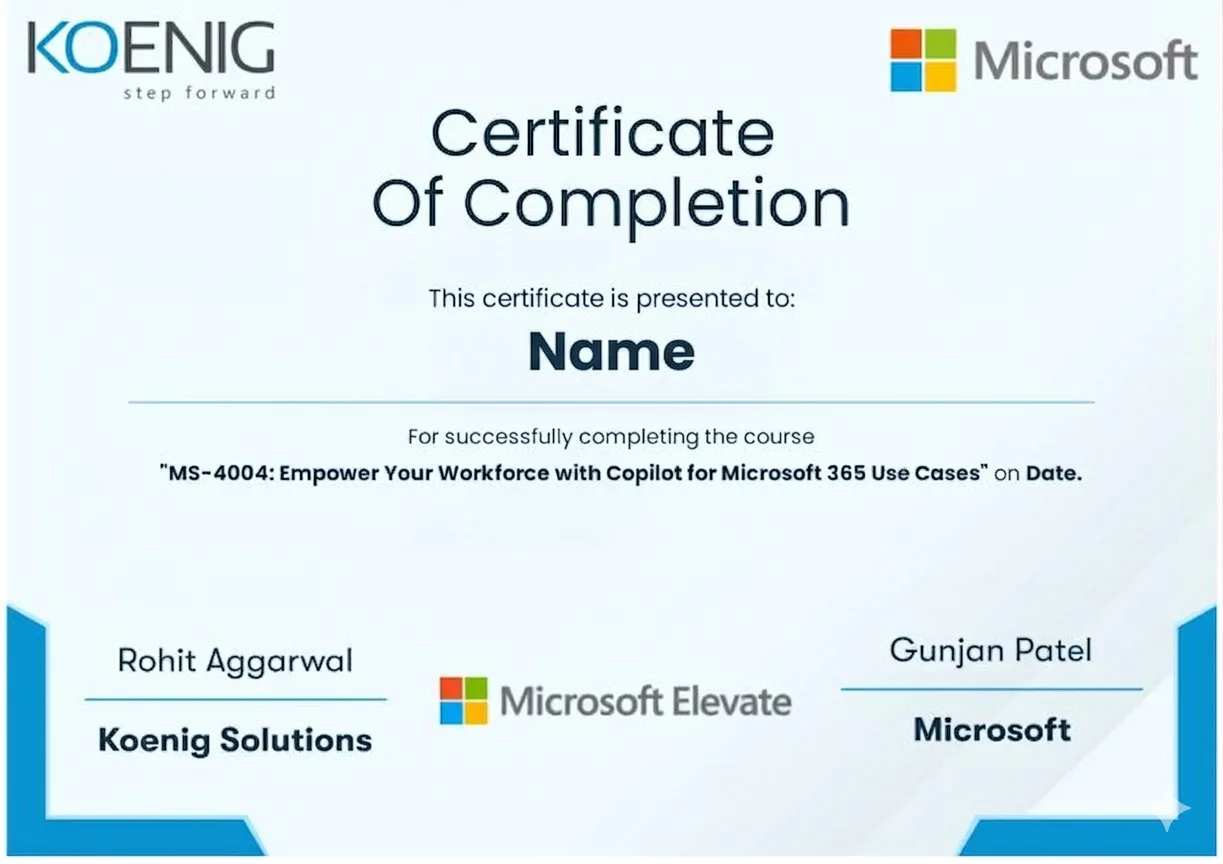
See what your official Automotive Testing certification looks like. Download a sample — then let our advisors map the fastest path to earning the real one.
 CTFLFoundation Level
CT-AuTAutomotive Software Tester
CTAL-TAETest Automation Engineering
CTAL-TMTest Management
CTEL-TM-STMStrategic Test Management
CTEL-ITP-ATPAssessing Test Processes
Official credential badges — shareable on LinkedIn
CTFLFoundation Level
CT-AuTAutomotive Software Tester
CTAL-TAETest Automation Engineering
CTAL-TMTest Management
CTEL-TM-STMStrategic Test Management
CTEL-ITP-ATPAssessing Test Processes
Official credential badges — shareable on LinkedIn
Four formats. One quality standard. Every option comes with the same expert instructors, official courseware, and money-back guarantee.
Every factor that determines whether you actually pass your Automotive Testing exam — rated across every training format available.
| Criteria | Koenig | Free Resources | Self Paced Platforms | Standard Training Partners | Traditional Training Firms |
|---|---|---|---|---|---|
| Trainer Expertise and Credentials | |||||
| MCT-Certified Automotive Testing Trainers | |||||
| Live Instructor-Led Automotive Testing Delivery | Partial | ||||
| Private 1-on-1 Automotive Testing Coaching | |||||
| ISTQB Certification Authorization | |||||
| Official ISTQB ALP Automotive Testing Status | Partial | ||||
| Authorized Automotive Testing Courseware | Partial | Partial | |||
| Accepted ESI / EA Automotive Testing Credits | |||||
| Training Flexibility and Access | |||||
| Flexible Start Dates for Automotive Testing | |||||
| On-Site Automotive Testing Trainer Access | Partial | Partial | |||
| E-E-A-T Justification | |||||
| Koenig Solutions maintains ISTQB Platinum Partner status, ensuring that all Automotive Testing courseware is officially accredited and delivered by certified subject matter experts who adhere to rigorous global training standards. | — | — | — | — | — |
Data sourced from public pricing pages and review platforms. Accurate as of March 2026. Partial = available in select regions only.
Verified reviews from learners certified on Azure, AI, Security, and more.
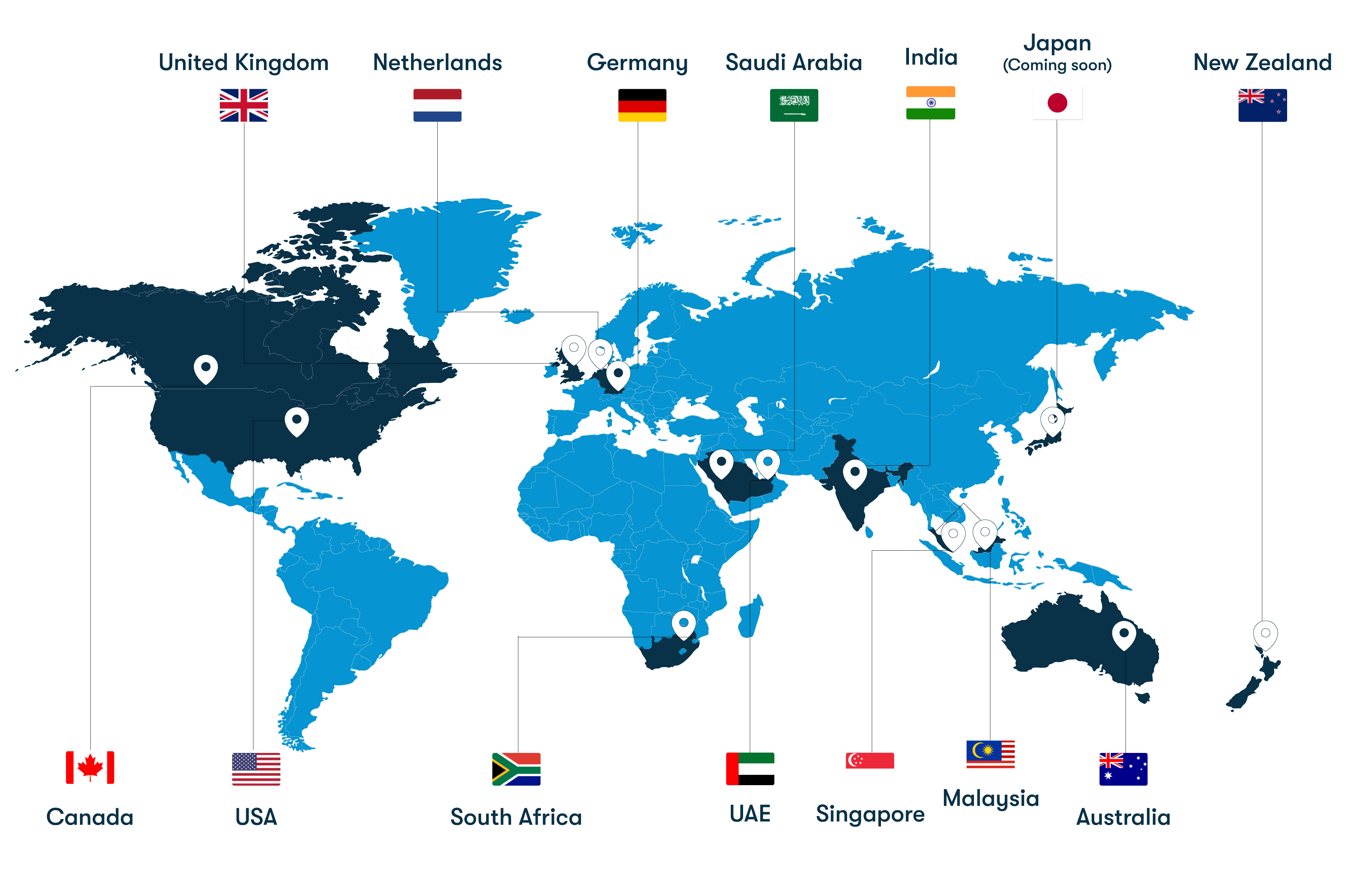
From our headquarters in India to training centers across UAE, Iraq, Saudi Arabia, UK, USA, Singapore, Australia, and more — Koenig delivers Microsoft certification training in 50+ countries.