


As cloud computing transforms the global IT landscape, Microsoft Azure has emerged as a critical platform driving digital innovation across industries. As of the second quarter of 2024, the global cloud infrastructure market has experienced significant growth, with enterprise spending reaching $79 billion, marking a 22% increase from the same period in 2023. According to estimates from Synergy Research Group, Microsoft's Azure platform holds 20 percent of the worldwide cloud infrastructure market, making Azure skills increasingly valuable for IT professionals.
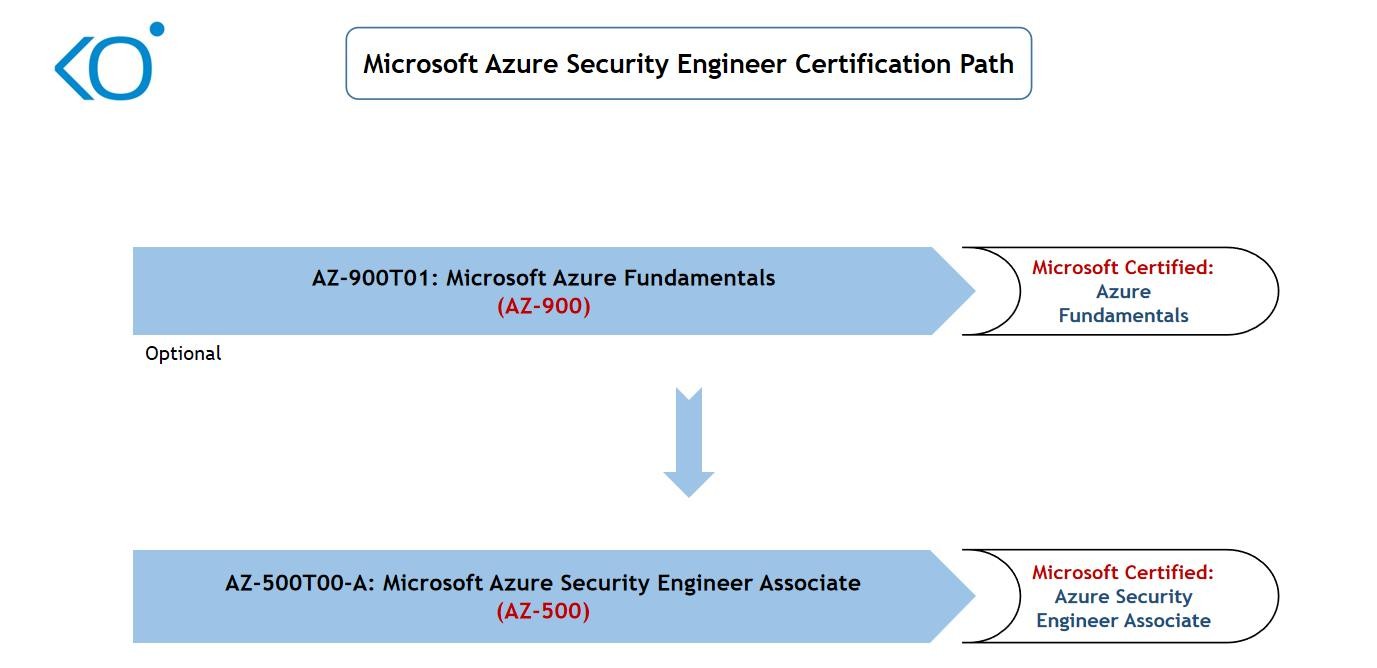
For professionals seeking to establish foundational cloud expertise, the AZ-900T00-A: Microsoft Azure Fundamentals training represents the essential starting point. This comprehensive introduction to Microsoft Azure provides the knowledge framework necessary for advanced cloud specializations while opening doors to immediate career advancement opportunities.
As a candidate for this certification, you're a technology professional who wants to demonstrate foundational knowledge of cloud concepts in general and Microsoft Azure in particular. This certification is a common starting point in a journey towards a career in Azure. Unlike vendor-neutral cloud courses, this Microsoft Azure introduction course focuses specifically on Azure's comprehensive service ecosystem and unique architectural approach.
Why Azure Fundamentals Training Matters
The demand for Azure-skilled professionals continues to accelerate across all sectors. According to Burning Glass Technologies, the employment rate of candidates with Microsoft Azure skills has risen by 41% annually. This trend is expected to continue as more organizations expand their usage of cloud computing. Organizations recognize that cloud migration requires skilled professionals who understand both cloud principles and specific platform implementations.
According to IDC research, Microsoft certified professionals worked more efficiently and with higher productivity than non-certified professionals by 15%, and they worked 20% faster. This productivity advantage translates directly into career advancement opportunities and increased compensation potential.
Core Azure Services and Technologies Covered
The AZ-900 Azure basics training comprehensively covers four fundamental knowledge domains:
Cloud Concepts (25-30% of exam)
Understanding cloud computing models forms the foundation of Azure expertise:
-
Infrastructure as a Service (IaaS): Virtual machines, networking, and storage resources
-
Platform as a Service (PaaS): Application hosting and development platforms
-
Software as a Service (SaaS): Complete software solutions delivered via the cloud
-
Deployment models: Public, private, and hybrid cloud implementations
Core Azure Services (35-40% of exam)
These professionals can describe Azure architectural components and Azure services, such as compute, networking, and storage. Key service categories include:
Compute Services:
-
Azure Virtual Machines, Azure Virtual Machine Scale Sets, availability sets, and Azure Virtual Desktop
-
Azure App Service for web applications
-
Azure Functions for serverless computing
-
Container services including Azure Container Instances
Storage Solutions:
-
Blob storage for unstructured data
-
File storage for shared file systems
-
Queue storage for messaging
-
Table storage for NoSQL data
Networking Components:
-
Virtual networks, Azure virtual subnets, peering, Azure DNS, Azure VPN Gateway, and ExpressRoute
-
Load balancers and application gateways
-
Content Delivery Network (CDN)
-
Network security groups
Security and Identity Management (30-35% of exam)
They can also describe features and tools to secure, govern, and administer Azure. Security topics encompass:
-
Microsoft Entra ID and Microsoft Entra Domain Services, authentication methods including single sign-on (SSO), multi-factor authentication (MFA), and passwordless authentication
-
Azure Security Center and Azure Sentinel
-
Key Vault for secrets management
-
Role-based access control (RBAC)
Azure Management and Governance (10-15% of exam)
-
Azure Portal, CLI, and PowerShell
-
Azure Resource Manager templates
-
Azure Policy and compliance
-
Cost management and billing